Gutter Leaking: Causes, Prevention, and Repair Solutions
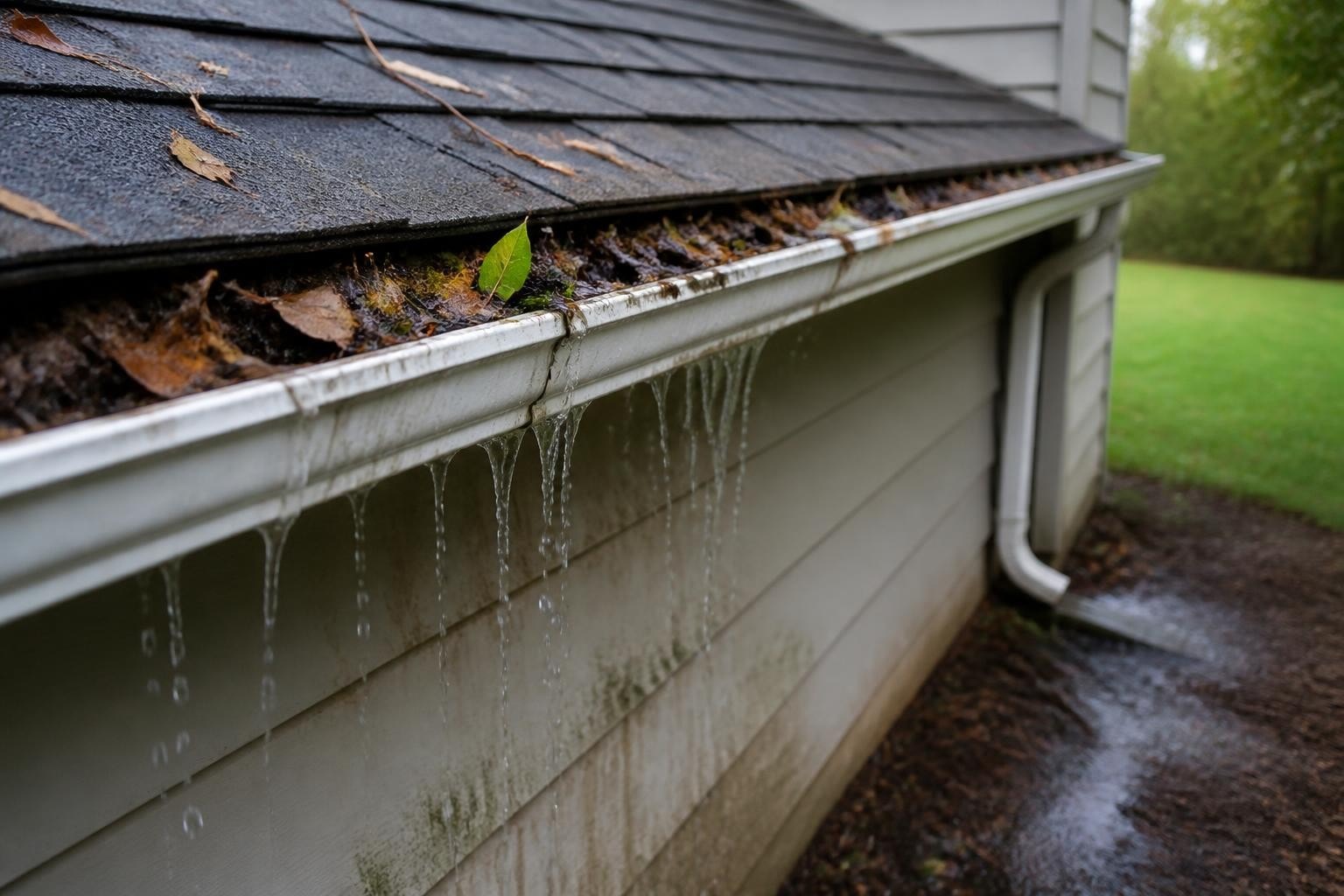
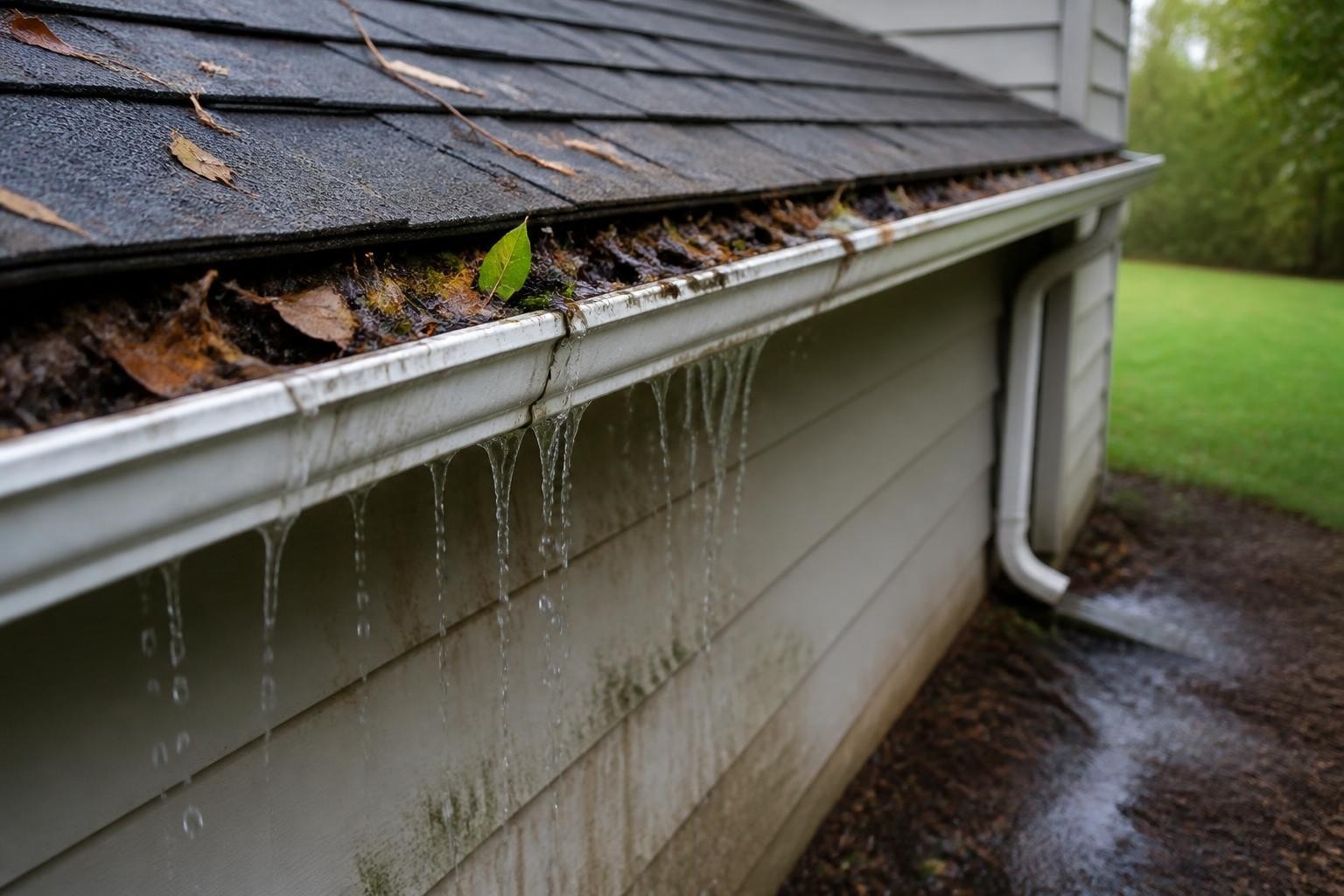
When water starts dripping from your gutters during a rainstorm, you're witnessing more than just a minor inconvenience. Gutter leaking represents a critical failure in your home's first line of defense against water damage. Left unaddressed, even small leaks can escalate into serious problems affecting your foundation, siding, landscaping, and interior spaces. Understanding the root causes of gutter failures and knowing when to seek professional intervention can save property owners thousands in repair costs while protecting their investment from progressive deterioration.
Common Causes Behind Gutter Leaking
Gutter systems fail for numerous reasons, and identifying the specific cause determines the most effective repair approach. Debris accumulation stands as the leading culprit, with leaves, twigs, shingle granules, and other organic matter creating blockages that prevent proper water flow. When gutters clog, water has nowhere to go except over the sides or through weakened seams.
Poor installation ranks as another primary factor contributing to gutter leaking. When contractors fail to maintain proper slope, install insufficient hangers, or leave gaps at seam connections, the system cannot function as designed. According to guidance on common gutter problems, these installation errors often become apparent within the first few months of use.
Material Degradation and Age
Climate conditions in the Pacific Northwest accelerate deterioration. The freeze-thaw cycles common in the Walla Walla Valley region place exceptional stress on gutter systems, particularly at joints and corners where materials naturally flex.
Warning Signs Your Gutters Need Attention
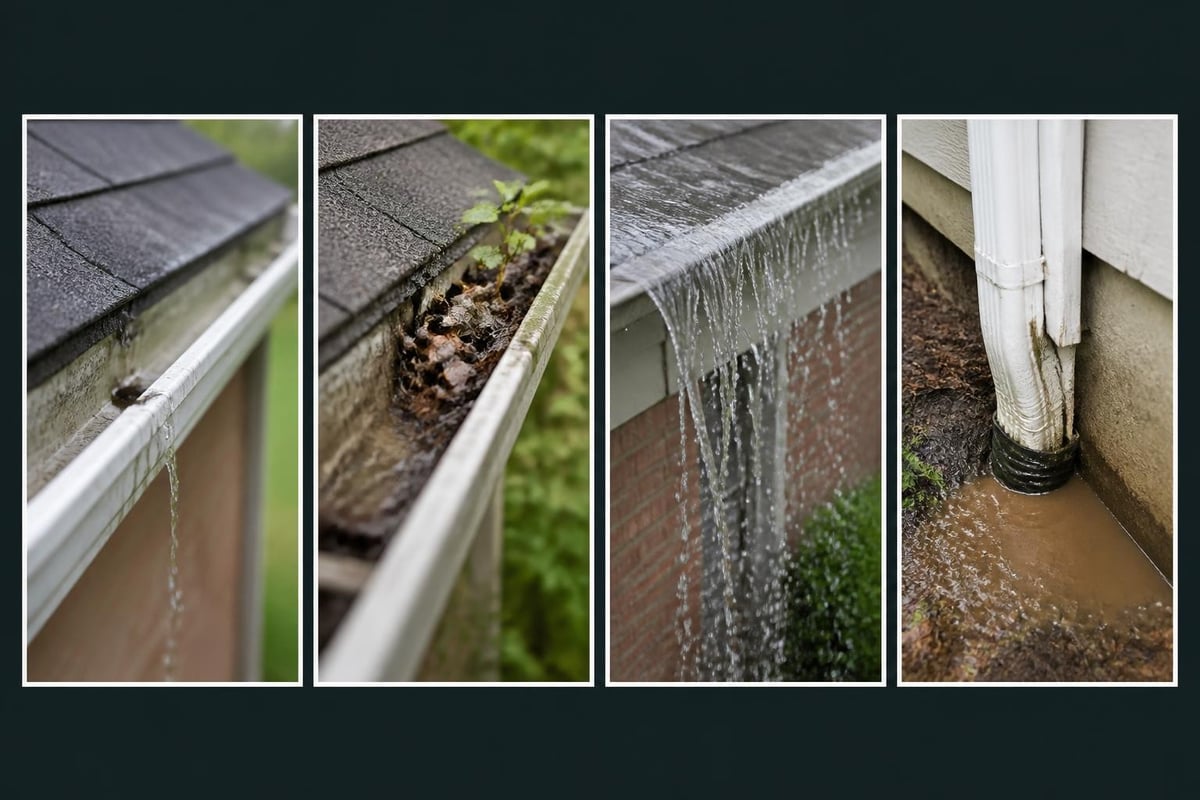
Visual inspection during rainfall provides the clearest indication of gutter leaking. Water spilling over edges, dripping from seams, or streaming down siding all signal immediate problems requiring attention. However, many leak symptoms appear even when rain isn't falling.
Staining patterns on exterior walls beneath gutters indicate chronic overflow or leaking. These discolored streaks often coincide with mildew growth or paint deterioration, suggesting long-term moisture exposure. Foundation cracks or erosion near downspout locations point to water escaping the gutter system before reaching proper drainage areas.
Warning SignWhat It IndicatesUrgency LevelWater overflow during light rainSevere clog or improper slopeHighDripping from seamsFailed sealant or separated jointsMediumSagging sectionsBroken hangers or excess water weightHighPeeling exterior paintChronic overflow causing water damageMediumFoundation poolingComplete drainage system failureCritical
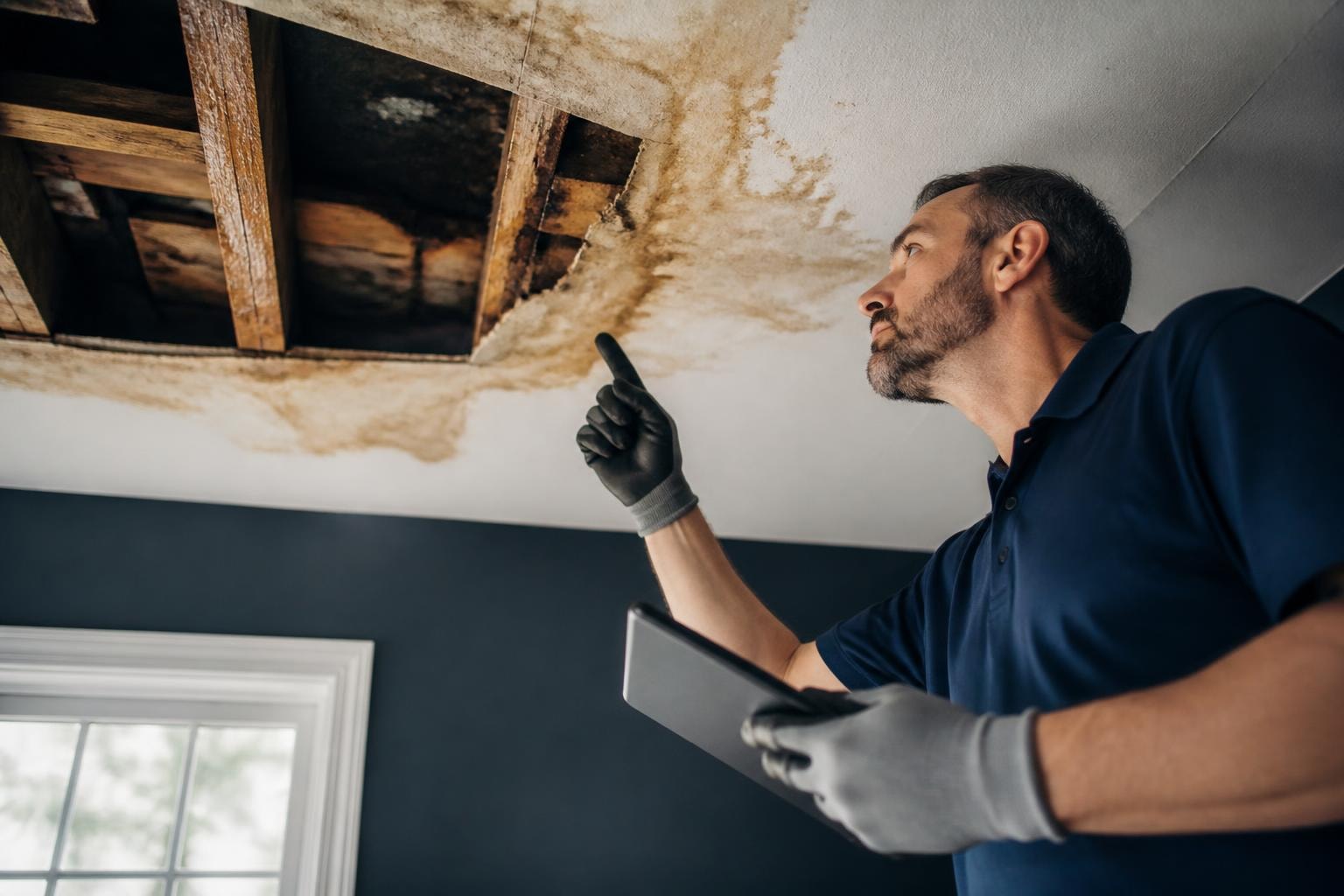
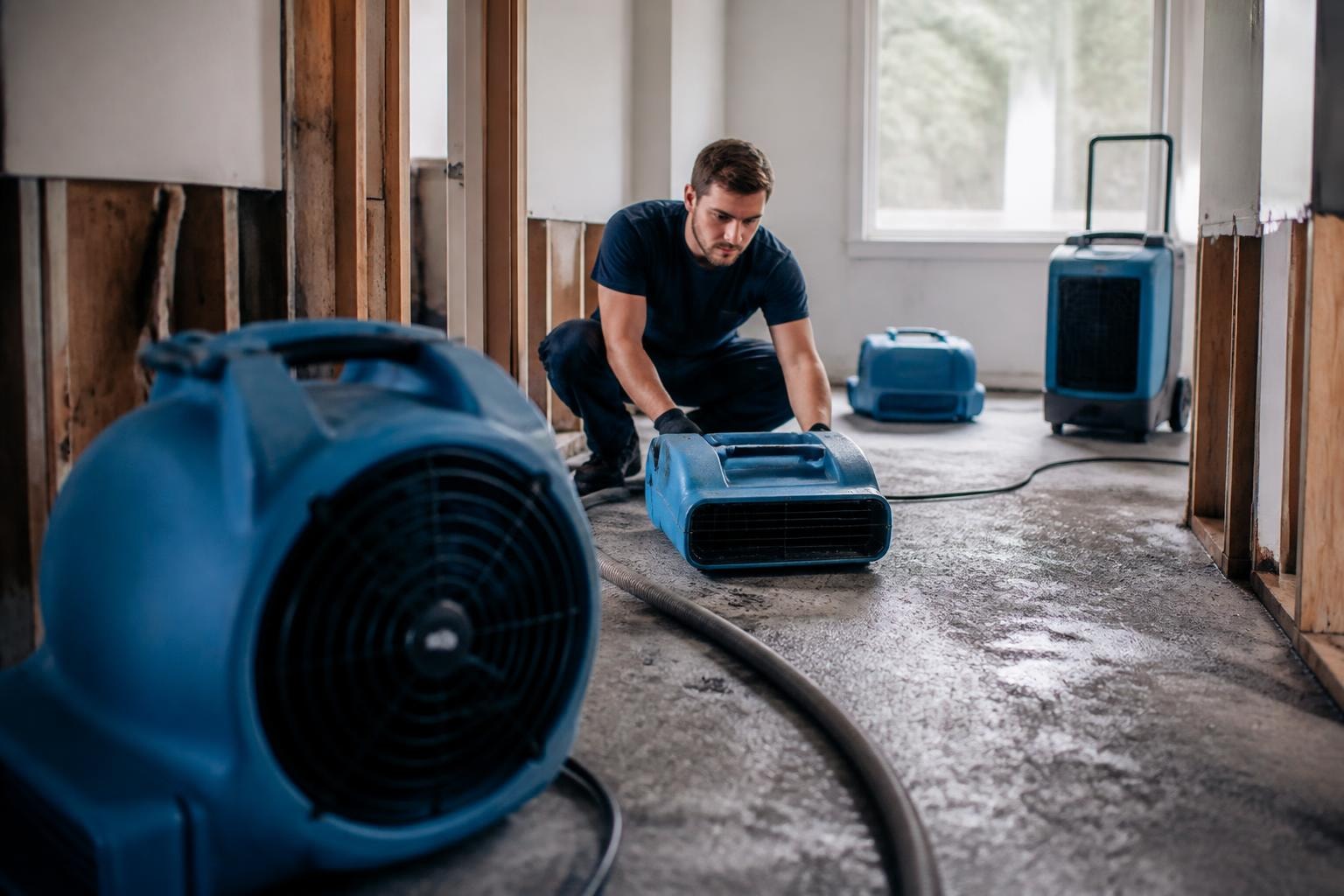
Interior warning signs deserve equal attention. Water stains on basement walls, musty odors in crawl spaces, or unexplained moisture in attics may all trace back to gutter leaking that allows water penetration into the building envelope. These situations often require professional water damage restoration to address both the gutter failure and resulting damage.
DIY Inspection and Maintenance Strategies
Homeowners should inspect gutters at least twice annually, ideally in spring and fall. Start by clearing all debris using a gutter scoop or garden trowel, working from downspouts backward to prevent pushing material into drains. Flush the system with a garden hose to verify proper flow and identify leaking areas.
Safety considerations cannot be overstated. Use a sturdy ladder with standoff stabilizers, never lean too far to either side, and consider hiring professionals for multi-story homes or steep roof pitches. The risk of falls far exceeds any cost savings from DIY work.
Regular Maintenance Checklist
For those seeking detailed maintenance guidance, essential gutter maintenance tips provide comprehensive strategies that extend system lifespan and prevent costly failures. Regular attention prevents the vast majority of gutter leaking issues before they cause structural damage.
Professional Repair Solutions
While some gutter leaking problems yield to DIY repairs, many situations demand professional expertise. Seam repairs require specialized sealants designed for exterior metal or vinyl applications. Professionals understand which products withstand temperature extremes and UV exposure in specific climates.
Corner leaks present particular challenges, as gutter corner leaking repair often involves complete joint reconstruction rather than simple sealant application. Corners endure maximum stress from thermal expansion, making proper installation technique critical for long-term performance.
Extensive corrosion or multiple leak points throughout a gutter system may indicate the need for complete replacement rather than piecemeal repairs. Professional contractors assess the overall system condition and provide honest recommendations about repair versus replacement economics.
The Connection Between Gutters and Foundation Damage
Water escaping from leaking gutters doesn't simply disappear into the ground. It concentrates near foundation walls, creating hydrostatic pressure that forces moisture through concrete and masonry. Over time, this pressure causes cracks, settlement, and structural instability.
Basement flooding frequently traces back to gutter system failures. When gutters overflow or leak near the foundation, soil becomes saturated and water follows the path of least resistance directly into basement spaces. Property owners dealing with basement leak repair often discover that addressing gutter problems prevents future water intrusion episodes.
The relationship between gutter performance and foundation health extends beyond immediate flooding concerns:
Seasonal Challenges and Regional Considerations
Pacific Northwest weather patterns create unique challenges for gutter systems. Heavy rainfall periods in fall and winter test capacity limits, while debris from deciduous trees compounds clogging problems. Spring runoff from snowmelt can overwhelm undersized gutters, while summer heat accelerates sealant degradation.
Storm damage restoration professionals frequently respond to calls where gutter leaking contributed to broader property damage during severe weather events. Wind-driven rain exploits even minor gutter weaknesses, forcing water behind siding and into wall cavities where it causes extensive hidden damage.
Climate-Specific Gutter Concerns
SeasonPrimary ThreatPrevention StrategySpringHeavy runoff, seed podsClear winter debris, check downspout extensionsSummerUV damage, thermal stressInspect seals, ensure proper expansion gapsFallLeaf accumulationInstall guards, increase cleaning frequencyWinterIce dams, freeze damageEnsure insulation, maintain heat cable systems
Property owners in agricultural areas face additional challenges from dust accumulation that combines with moisture to create dense, cement-like blockages. These require more aggressive cleaning approaches than typical leaf debris.
Advanced Leak Detection Techniques
Not all gutter leaking manifests as obvious drips or overflows. Slow seepage through tiny gaps may go unnoticed until significant damage accumulates. Thermal imaging can reveal moisture patterns in walls and foundations that trace back to subtle gutter failures invisible to visual inspection.
Water flow testing under controlled conditions helps identify capacity problems versus actual leaks. By introducing measured water volumes and observing system response, professionals determine whether upgrades or simple repairs address the core issue. Some situations require larger gutters or additional downspouts rather than leak patching.
Professional restoration specialists understand that gutter leaking often represents just one component of a broader drainage problem. Grading issues, inadequate downspout discharge points, or missing splash blocks all contribute to water management failures that compound gutter inadequacies.
Preventive Measures and Long-Term Solutions
Gutter guards prevent most debris accumulation, though no system eliminates maintenance entirely. Mesh screens, reverse-curve designs, and foam inserts each offer different advantages depending on local vegetation and climate conditions. Quality products pay for themselves through reduced cleaning frequency and extended gutter lifespan.
Strategic landscaping reduces debris load while improving overall property drainage. Trimming overhanging branches minimizes leaf fall directly into gutters, while proper grading directs water away from foundations. These complementary approaches create layered protection against water damage.
According to comprehensive gutter maintenance guides, establishing a documented maintenance schedule prevents oversight that allows small problems to escalate into major failures. Property owners should maintain records of cleaning dates, repairs performed, and observed issues for future reference.
Comprehensive gutter protection system showing multiple prevention layers: gutter guards, proper slope, reinforced hangers, sealed seams, extended downspouts, and foundation drainage solutions
When to Call Professional Restoration Services
Certain gutter leaking situations exceed homeowner capabilities and require immediate professional intervention. Active water intrusion into living spaces, visible foundation damage, or extensive mold growth all signal the need for comprehensive restoration rather than simple gutter repair.
Properties showing signs of chronic moisture problems benefit from integrated solutions that address both immediate gutter failures and resulting structural damage. Mold remediation services often work in conjunction with gutter repairs to eliminate health hazards and prevent recurrence.
Emergency situations deserve urgent response:
These scenarios require both immediate remediation and long-term solutions that prevent repetition. Restoration professionals coordinate repairs across multiple systems to ensure comprehensive recovery.
Material Selection for Replacement Projects
When repairs prove uneconomical, replacement offers opportunities to upgrade to superior materials. Aluminum gutters resist rust and offer good value, while copper systems provide decades of maintenance-free service at premium prices. Steel gutters handle heavy snow loads better than lighter alternatives but require protective coatings against corrosion.
Seamless gutters eliminate the joints where most gutter leaking originates. Custom-formed on-site to exact dimensions, these systems reduce failure points while improving aesthetic appeal. The investment premium over sectional gutters typically pays back through extended service life and reduced maintenance.
MaterialLifespanMaintenanceCostBest ForVinyl10-15 yearsLow$Budget-conscious, mild climatesAluminum20-25 yearsMedium$$Most residential applicationsSteel15-20 yearsHigh$$Heavy snow/ice regionsCopper50+ yearsVery low$$$$Premium homes, historic restoration
Size matters as much as material when preventing gutter leaking through overflow. Five-inch gutters handle typical residential needs, while six-inch systems accommodate steep roofs or areas with intense rainfall. Downspout sizing must match gutter capacity to avoid bottlenecks that cause backup and overflow.
Insurance Considerations and Documentation
Property owners dealing with damage from gutter leaking should understand insurance coverage nuances. Standard homeowner policies typically cover sudden failures but exclude damage from deferred maintenance. Documenting regular maintenance through receipts and photos establishes due diligence that supports claims.
When storm damage causes gutter failure and subsequent water intrusion, comprehensive documentation becomes critical. Photograph damage immediately, preserve failed components as evidence, and maintain detailed records of all communication with insurance adjusters and restoration contractors.
Professional restoration companies experienced in insurance work streamline the claims process by providing detailed estimates, supporting documentation, and direct communication with adjusters. This coordination reduces stress on property owners while ensuring complete restoration that meets coverage requirements.
The Hidden Costs of Delayed Repairs
Postponing gutter leaking repairs creates exponential cost increases as damage spreads. What starts as a $200 seal replacement becomes a $2,000 foundation repair, then a $15,000 basement restoration project. The progression follows predictable patterns that professional restorers witness repeatedly.
Mold growth represents one of the most serious consequences of chronic gutter leaking. Once established in wall cavities or crawl spaces, mold requires professional remediation that costs far more than preventing the moisture intrusion that enabled growth. Health concerns from mold exposure compound financial impacts, particularly for sensitive individuals.
Structural damage from prolonged water exposure threatens property values and safety. Rotted fascia boards, compromised roof decking, and weakened floor systems all trace back to water management failures that proper gutter maintenance would have prevented. For detailed insights on how to properly seal and maintain gutters, professional sealing techniques provide valuable guidance.
Addressing gutter leaking promptly protects your property from progressive water damage that threatens foundations, structures, and indoor air quality. While regular maintenance prevents most problems, professional intervention becomes essential when damage extends beyond the gutter system itself. When you're facing water damage from failed gutters or any disaster restoration need, CORE Restoration provides 24/7 emergency response throughout the Walla Walla Valley and surrounding areas, bringing over 19 years of expertise to protect your property and peace of mind.