Basement Leak Repair: Complete Guide to Fix Water Issues

Discovering water in your basement can trigger immediate panic, and rightfully so. A wet basement threatens your home's foundation, destroys belongings, creates health hazards through mold growth, and can cost thousands in repairs if left unaddressed. Whether you're dealing with occasional dampness after heavy rain or standing water that appears mysteriously, understanding basement leak repair is essential for every homeowner. The good news is that many basement water issues can be resolved with the right approach, proper diagnosis, and timely intervention. This comprehensive guide walks you through identifying leak sources, evaluating repair options, and deciding when to call professionals for help.
Understanding Common Basement Leak Sources
Before starting any basement leak repair, you must identify where the water originates. Misdiagnosing the source is the most common mistake homeowners make, leading to wasted money on ineffective solutions.
Water enters basements through three primary pathways:
Exterior seepage through foundation walls or floor joints
Foundation cracks caused by settling, pressure, or structural issues
Plumbing failures from pipes, drains, or sewer backups
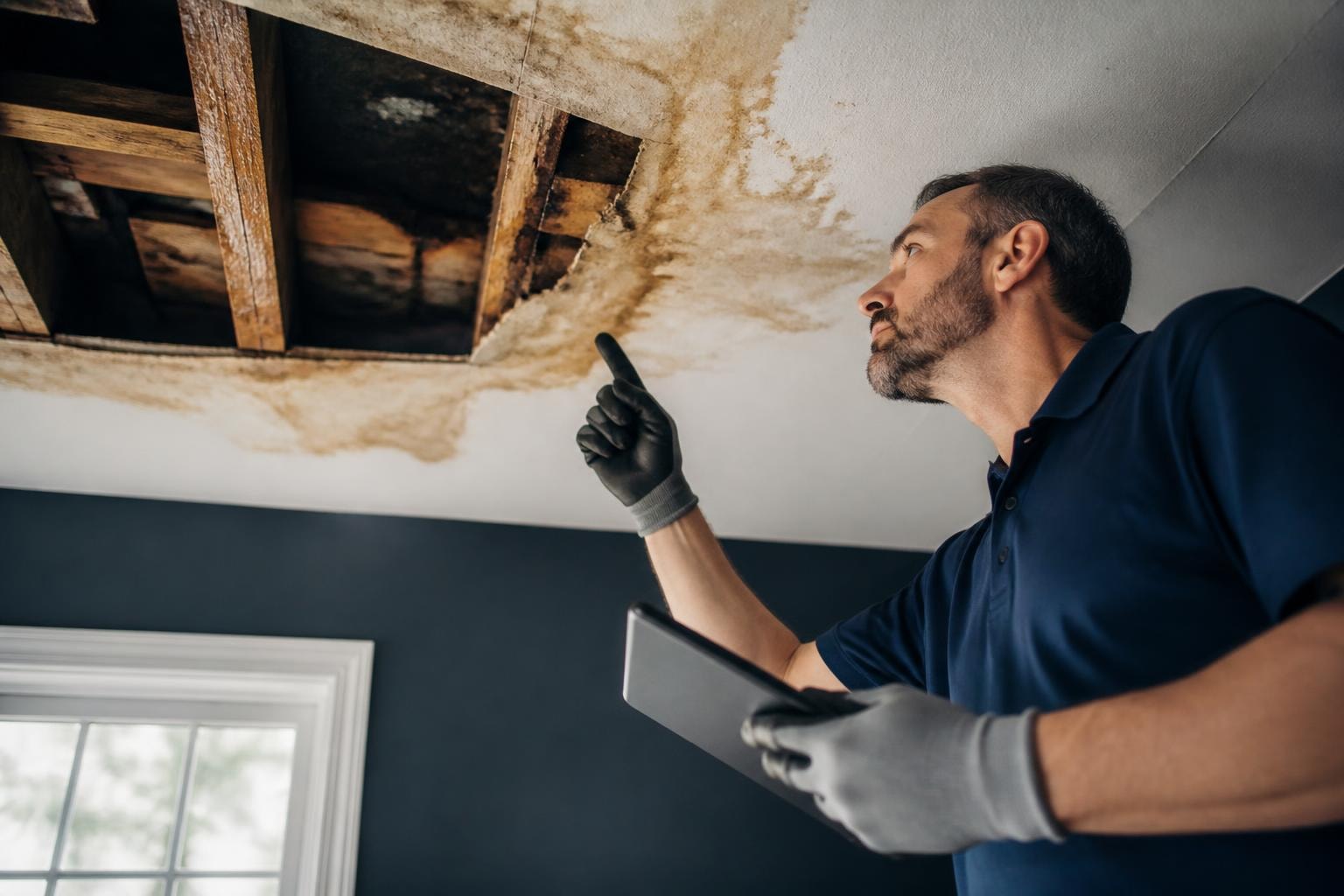
Diagnosing common sources of basement leaks requires careful observation during and after rain events. Check walls for dampness, examine corners where floor meets wall, and look for water stains that indicate previous moisture intrusion.
Surface Water and Poor Drainage
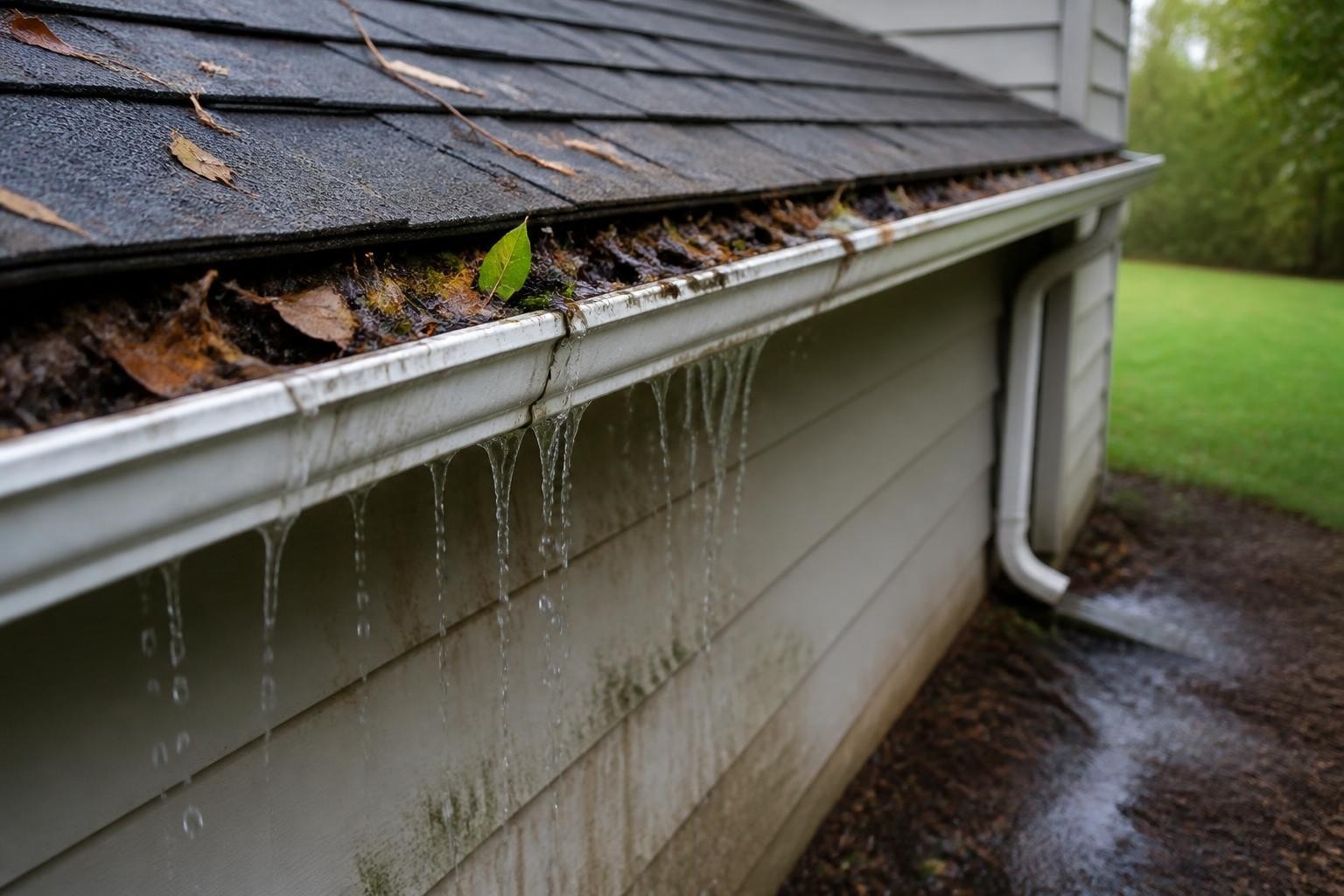
The most frequent culprit behind basement leaks is improper exterior drainage. When gutters overflow, downspouts discharge too close to the foundation, or yard grading slopes toward your home, water accumulates around the foundation and finds its way inside.
Walk around your property during a rainstorm. Notice where water pools and how it flows. If you see water collecting within six feet of your foundation, you've likely identified your problem.
Key drainage warning signs include:
Overflowing or clogged gutters
Downspouts ending within three feet of foundation
Soil sloping toward the house
Mulch or landscaping creating water dams
Foundation Cracks and Structural Issues
Foundation cracks develop for numerous reasons: normal settling, hydrostatic pressure from saturated soil, freeze-thaw cycles, or poor initial construction. Not all cracks leak, but those wider than 1/8 inch or showing active moisture definitely require basement leak repair attention.
Vertical cracks typically result from settling and are less serious. Horizontal or stair-step cracks suggest more significant structural problems and warrant professional evaluation. You'll find these cracks most commonly in poured concrete foundations and concrete block walls.
Crack Type | Cause | Severity | Repair Urgency |
|---|---|---|---|
Vertical hairline | Normal settling | Low | Monitor regularly |
Vertical wide (>1/8") | Settlement/shrinkage | Moderate | Repair soon |
Horizontal | Lateral soil pressure | High | Immediate attention |
Stair-step (block) | Foundation movement | High | Professional evaluation |
DIY Basement Leak Repair Methods
Many homeowners successfully tackle basement leak repair projects themselves, particularly when addressing minor issues or preventive maintenance. The key is matching the solution to the problem.
Exterior Drainage Improvements
Fixing exterior drainage is the single most effective basement leak repair for many homes. Start with these accessible projects:
Clean gutters and downspouts quarterly to ensure proper water flow
Extend downspouts at least six feet from the foundation using extensions or underground pipes
Regrade soil around the foundation to slope away at 1 inch per foot for the first six feet
Install window well covers to prevent water accumulation around basement windows
These improvements often resolve basement moisture problems without touching the foundation itself. For many homeowners in areas like the Pacific Northwest where water damage restoration services are frequently needed, proper drainage prevents problems before they start.
Interior Crack Sealing
Small, non-structural cracks can be sealed from the inside using hydraulic cement or polyurethane or epoxy injection. This basement leak repair method works best for cracks less than 1/4 inch wide in poured concrete foundations.
Step-by-step crack injection process:
Clean the crack thoroughly, removing loose concrete and debris
Install injection ports every 6-8 inches along the crack
Seal the crack surface with epoxy paste, leaving ports exposed
Inject polyurethane or epoxy resin through ports from bottom to top
Remove ports and seal entry points after material cures
This approach stops active leaks effectively when done properly. However, it addresses symptoms rather than causes. If hydrostatic pressure or structural issues created the crack, it may reappear elsewhere.
Interior Waterproofing Paint and Sealers
Waterproof paints and masonry sealers provide a moisture barrier on foundation walls. While helpful for minor dampness, they're not suitable for active leaks or standing water. Think of them as a final defense layer, not a primary basement leak repair solution.
Apply these products only to clean, dry walls. Any existing moisture will prevent proper adhesion and render them ineffective. They work best as preventive measures or supplements to more comprehensive repairs.
Professional Basement Leak Repair Solutions
Serious water intrusion requires professional intervention. Proven methods for fixing basement leak problems often involve equipment, expertise, and warranties that DIY approaches cannot match.

Interior Drainage Systems
Professional interior waterproofing creates a controlled path for water to exit your basement before causing damage. This basement leak repair approach includes:
Perimeter drainage channels cut into the floor along walls
Drainage stone and perforated pipe to collect and direct water
Sump pump systems to remove collected water
Vapor barriers on walls to manage moisture
Interior systems work with hydrostatic pressure rather than fighting it. Water still enters through the foundation but is immediately captured and pumped out. Most professional installations include warranties of 20-30 years.
The cost typically ranges from $5,000 to $15,000 depending on basement size and complexity. While expensive, these systems reliably solve persistent basement water problems.
Exterior Waterproofing and Excavation
Exterior waterproofing is the most comprehensive basement leak repair solution but also the most invasive and expensive. It involves excavating around the foundation perimeter, applying waterproof membrane directly to exterior walls, and installing exterior drainage systems.
Benefits of exterior waterproofing include:
Prevents water from ever touching the foundation
Addresses the problem at its source
Protects foundation structure from water damage
Can reveal and allow repair of hidden foundation issues
This method costs $15,000 to $30,000 for most homes. Landscaping, driveways, or structures near the foundation increase complexity and cost. Despite the investment, it remains the gold standard for serious basement water problems.
Foundation Crack Repair by Professionals
Professional foundation crack repair differs significantly from DIY approaches. Experts use high-pressure injection equipment to force repair materials deep into cracks, ensuring complete filling. They also provide structural assessments to determine if cracks indicate serious foundation problems requiring additional reinforcement.
Professional basement water leak repair services offer warranties typically ranging from 5 to 25 years. This guarantee provides peace of mind that DIY repairs cannot match.
When to Call Professional Restoration Services
Certain basement leak repair situations demand immediate professional attention. Attempting DIY solutions in these cases risks your safety, your home's structural integrity, and potentially your insurance coverage.
Emergency Water Situations
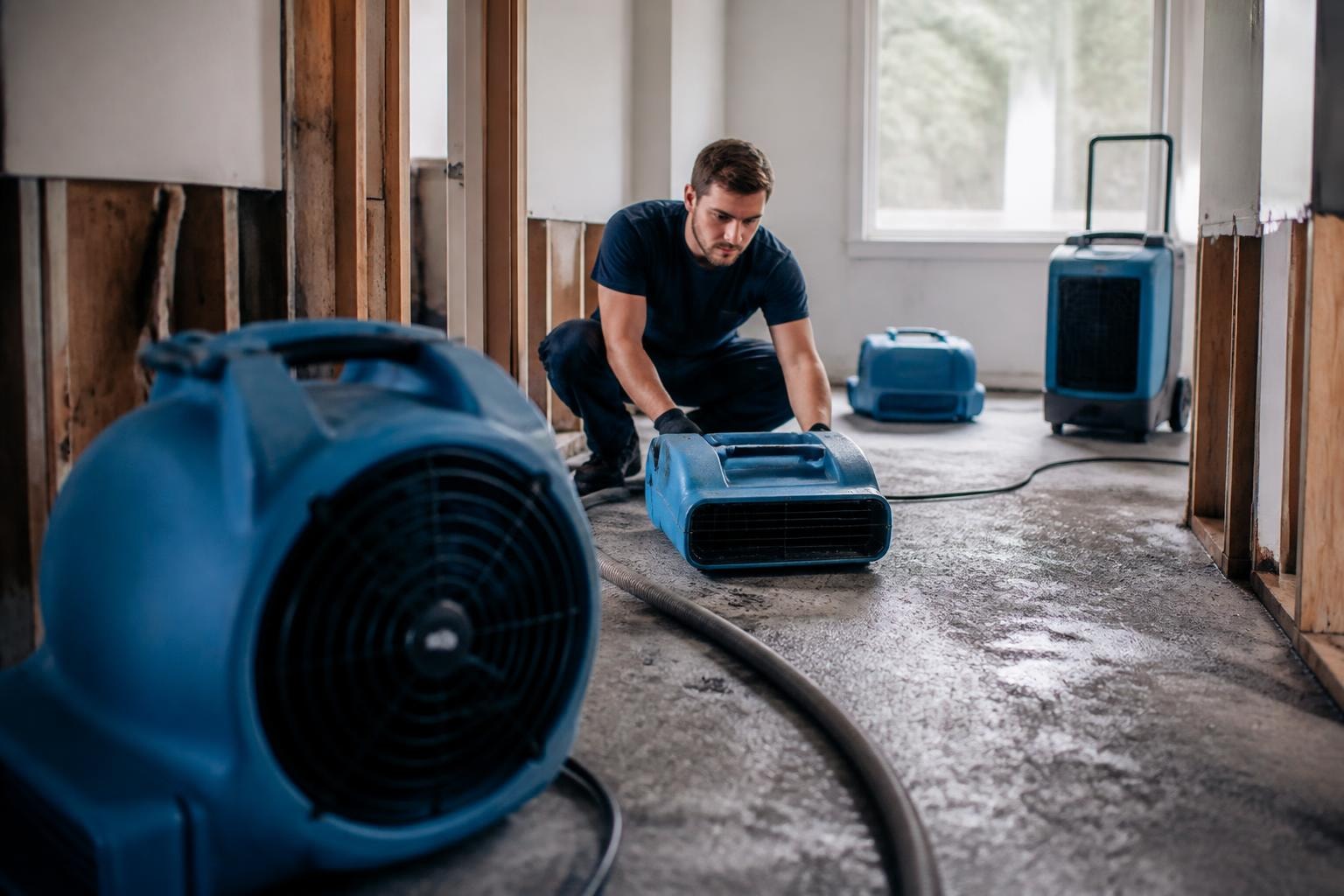
Active flooding, sewage backups, or sudden water intrusion require 24/7 emergency response. Professional restoration companies like those offering disaster restoration services have industrial pumps, dehumidifiers, and expertise to handle large-scale water events.
Call professionals immediately when you experience:
Standing water deeper than two inches
Water rising despite your efforts to remove it
Sewage or contaminated water intrusion
Water affecting electrical systems or appliances
Extensive moisture affecting finished spaces
Time is critical in water damage situations. The first 24-48 hours determine whether materials can be saved or require replacement. Professional extraction and drying prevent secondary damage like mold growth that develops rapidly in wet environments.
Structural Concerns and Foundation Issues
Horizontal cracks, bowing walls, multiple cracks appearing simultaneously, or cracks wider than 1/2 inch signal potential structural problems. These require engineering assessment before any basement leak repair work begins.
Attempting cosmetic repairs on structural issues wastes money and creates false security. The problem will worsen, potentially causing catastrophic failure. Licensed structural engineers can determine if your foundation needs reinforcement, underpinning, or other specialized repairs.
Preventing Future Basement Leaks
The most cost-effective basement leak repair is prevention. Regular maintenance and proactive measures keep your basement dry and protect your investment.
Regular Maintenance Checklist
Task | Frequency | Purpose |
|---|---|---|
Clean gutters | Quarterly | Prevent overflow near foundation |
Inspect downspouts | Seasonally | Ensure proper drainage away from house |
Check foundation cracks | Annually | Catch problems early |
Test sump pump | Monthly during wet season | Verify operational readiness |
Inspect window wells | After heavy rain | Remove debris and standing water |
Monitor basement humidity | Weekly | Prevent moisture accumulation |
Implementing this schedule helps you catch small issues before they become expensive basement leak repair projects. Many homeowners discover that consistent attention to exterior drainage eliminates basement moisture problems entirely.
Landscape and Grading Considerations
Your yard's configuration dramatically affects basement moisture. Proper grading directs water away from the foundation, while poor grading funnels it directly toward your basement walls.
Maintain a slope of at least 1 inch per foot for the first six feet from your foundation. Use clay-rich soil for grading near the house, as it sheds water better than sandy or loamy soils. Avoid planting gardens directly against the foundation, as watering them saturates the soil and encourages water intrusion.
Landscape features to avoid near foundations:
Flower beds within two feet of walls
Trees or shrubs with aggressive root systems
Rock or mulch landscaping that traps water
Irrigation systems spraying toward the house
Installing Backup Systems
Even the best basement leak repair can fail if primary systems are overwhelmed or lose power. Backup systems provide critical redundancy.
Battery backup sump pumps activate when your primary pump fails or power outages occur during storms when you need pumping most. They cost $400-$800 installed but can prevent thousands in water damage.
Water alarms placed near sump pits, water heaters, and floor drains alert you to water presence before significant damage occurs. These inexpensive devices ($20-$50) provide early warning that allows quick response.
Working With Insurance for Basement Leak Repair
Understanding insurance coverage for basement leak repair prevents costly surprises. Standard homeowner's policies typically exclude water damage from seepage, repeated leaks, or maintenance issues but may cover sudden, accidental water intrusion.
Covered vs. Excluded Scenarios
Generally covered situations:
Burst pipes or plumbing failures
Sump pump mechanical failure (not power outage)
Sudden water heater rupture
Accidental discharge from appliances
Generally excluded situations:
Groundwater seepage through foundation
Repeated leaking from known issues
Flood water (requires separate flood insurance)
Damage from deferred maintenance
Review your policy carefully and document all basement leak repair work. Maintain records of inspections, repairs, and preventive maintenance. This documentation can support claims and demonstrates responsible property management.
Documentation Best Practices
Photograph basement conditions regularly, especially during dry periods to establish baseline conditions. When leaks occur, document water levels, affected areas, and visible damage before cleanup begins.
Save all receipts for basement leak repair work, materials purchased, and professional services. Create a maintenance log showing gutter cleaning, sump pump tests, and drainage improvements. Professional restoration services like CORE Restoration work directly with insurance companies and understand documentation requirements for claims processing.
Choosing the Right Basement Leak Repair Professional
Selecting qualified contractors for basement leak repair protects your investment and ensures lasting results. Not all waterproofing companies offer the same expertise, methods, or guarantees.
Questions to Ask Contractors
Before hiring any basement leak repair professional, gather detailed information about their approach, experience, and warranties:
How many years have you specialized in basement waterproofing? Experience matters significantly in this specialized field.
What diagnostic process do you use to identify leak sources? Accurate diagnosis is critical for effective repairs.
Which repair method do you recommend for my specific situation and why? Beware of one-size-fits-all solutions.
What warranty do you provide on materials and labor? Transferable warranties add value if you sell your home.
Are you licensed, bonded, and insured? Verify credentials independently.
Can you provide references from recent similar projects? Contact references directly.
Request written estimates from at least three contractors. Compare not just prices but proposed solutions, warranties, and timelines. The cheapest bid often indicates inferior materials or shortcuts that create future problems.
Red Flags to Avoid
Some warning signs indicate contractors you should avoid for basement leak repair:
Pressure to sign contracts immediately or "today only" pricing
Reluctance to provide written estimates or warranties
Inability to explain their diagnostic findings or proposed solutions
No physical business address or established local presence
Requests for full payment upfront before work begins
Poor online reviews or Better Business Bureau complaints
Reputable contractors welcome questions, provide detailed written proposals, and offer reasonable payment terms tied to project milestones. Companies with established track records in comprehensive restoration services typically demonstrate professionalism across all customer interactions.
Material and Method Comparison
Understanding different basement leak repair materials and methods helps you evaluate contractor proposals and make informed decisions.
Method | Best For | Longevity | Cost Range | DIY Possible? |
|---|---|---|---|---|
Hydraulic cement | Small active leaks | 5-10 years | $50-200 | Yes |
Epoxy injection | Narrow cracks (<1/4") | 10-20 years | $500-1,500 | Advanced DIY |
Polyurethane injection | Active leaking cracks | 10-20 years | $500-2,000 | No |
Interior drainage | Persistent seepage | 20-30 years | $5,000-15,000 | No |
Exterior waterproofing | Comprehensive protection | 30+ years | $15,000-30,000 | No |
Sealant paint | Minor dampness | 3-5 years | $100-500 | Yes |
Each method serves specific situations. Combining approaches often provides the most effective long-term basement leak repair solution. For example, pairing interior drainage with crack injection addresses both active leaks and ongoing seepage.
Understanding Basement Leak Repair Costs
Budgeting for basement leak repair requires understanding both immediate expenses and long-term value. While professional solutions carry higher upfront costs, they often prove more economical than repeated DIY attempts that fail to solve underlying problems.
Cost Factors and Variables
Several factors influence the total investment required for effective basement leak repair:
Basement size and configuration directly impact material and labor costs. Finished basements require additional work to access walls and floors. Complex layouts with multiple rooms or obstacles increase installation difficulty.
Leak severity and extent determine solution complexity. Minor dampness may need only exterior improvements, while persistent flooding requires comprehensive interior systems.
Foundation type affects repair approaches. Poured concrete, concrete block, and stone foundations each require different techniques and materials.
Regional labor and material costs vary significantly. Urban areas typically charge more than rural locations, and specialized restoration services command premium pricing in underserved regions.
Smart homeowners view basement leak repair as an investment protecting their most valuable asset. Comprehensive waterproofing solutions prevent extensive damage that costs far more than proactive repairs.
Effective basement leak repair protects your home's foundation, preserves your belongings, and maintains healthy indoor air quality. Whether you tackle minor drainage improvements yourself or invest in comprehensive professional waterproofing, addressing basement moisture promptly prevents escalating damage and costs. When you need expert assistance with water intrusion, foundation issues, or emergency flooding, CORE Restoration brings over 19 years of experience to the Walla Walla Valley and surrounding areas, offering 24/7 emergency response and comprehensive restoration services that protect your most valuable investment.