Storm Damage Repair: A Complete Property Recovery Guide
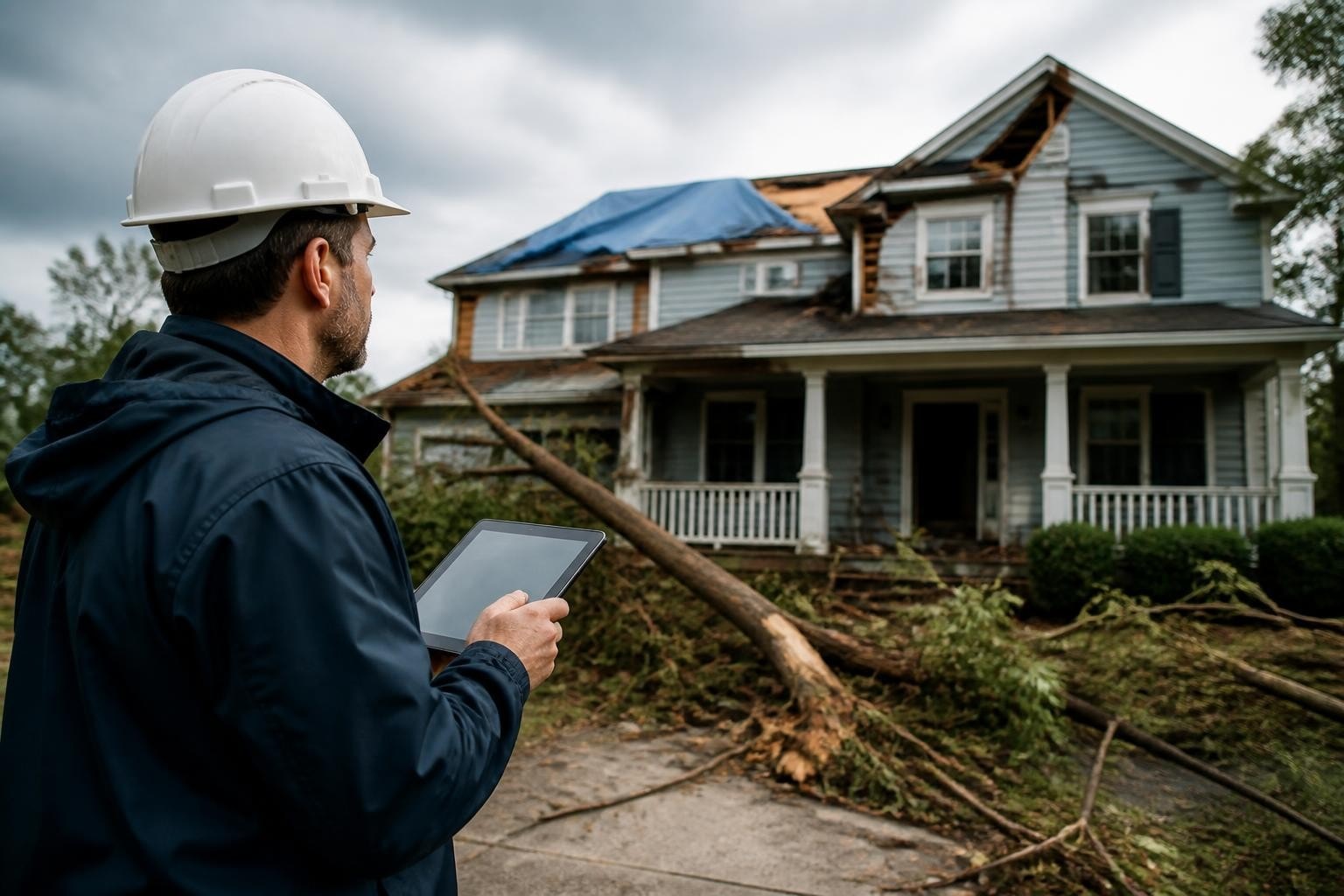
When severe weather strikes, the aftermath can leave property owners facing extensive damage that requires immediate attention and professional expertise. Storm damage repair encompasses a comprehensive process that begins the moment high winds, heavy rain, or hail subsides and continues through complete property restoration. Understanding the critical steps, timeline expectations, and professional requirements helps property owners make informed decisions during what is often a stressful and overwhelming time.
Understanding the Scope of Storm-Related Property Damage
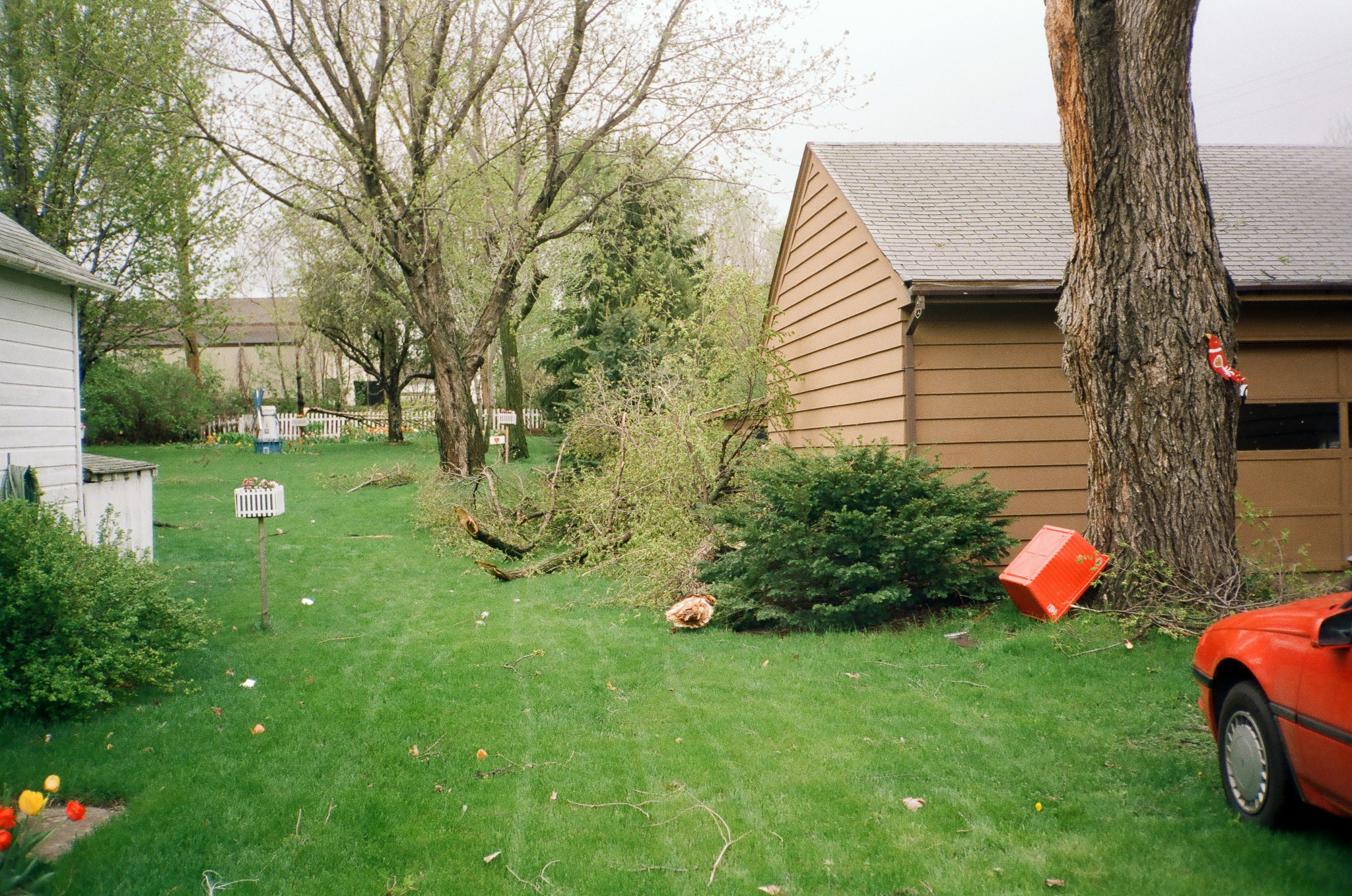
Severe weather events create multiple damage categories that often overlap and compound each other. Wind damage can tear shingles from roofs, break windows, and compromise structural integrity. Heavy rainfall that follows creates secondary water intrusion problems that can affect interior spaces, insulation, and building materials.
Common types of storm-related damage include:
The complexity of storm damage repair requires professionals who understand how different damage types interact and how to address them in the proper sequence. For instance, water damage restoration must begin immediately even while roof repairs are being planned, as moisture creates ongoing damage every hour it remains unaddressed.
Initial Damage Assessment Protocols
Professional restoration teams follow systematic approaches when evaluating storm-affected properties. This assessment phase determines the full scope of repairs needed and establishes priorities based on safety concerns and prevention of additional damage.
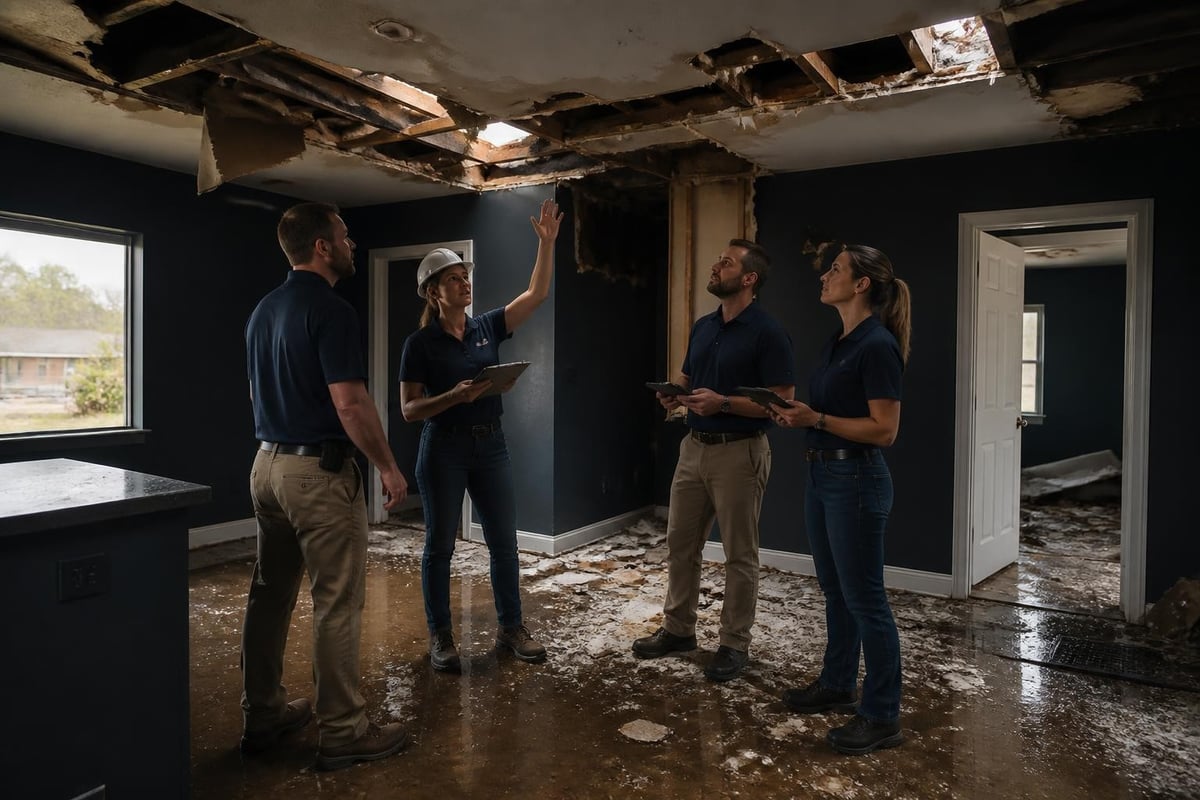
Assessment begins with exterior examination, looking for obvious structural concerns, compromised roofing systems, and immediate safety hazards. Teams then move to interior spaces, using moisture meters and thermal imaging to detect hidden water intrusion that may not be visible to the naked eye.
Assessment AreaKey Evaluation PointsUrgency LevelRoof StructureMissing shingles, underlayment exposure, deck damageImmediateWater IntrusionActive leaks, standing water, moisture levelsImmediateWindows/DoorsBroken glass, compromised seals, frame damageHighElectrical SystemsExposed wiring, wet panels, safety hazardsImmediateHVAC SystemsExternal unit damage, ductwork compromiseMediumInterior FinishesCeiling stains, wall damage, flooring issuesMedium
Documentation during this phase proves critical for insurance claims. Following best practices for storm damage documentation ensures property owners have the evidence needed to support their claims and secure appropriate coverage for repairs.
Emergency Response and Property Stabilization
The first 24-48 hours after storm damage determine whether property owners face manageable repairs or extensive secondary damage. Emergency response protocols focus on preventing additional harm while creating safe conditions for detailed assessment and permanent repairs.
Temporary roof tarping represents one of the most critical emergency interventions. Professional-grade tarps, properly secured with battens and fasteners, prevent continued water intrusion until permanent storm damage restoration can be completed. This temporary protection becomes especially important in the Pacific Northwest, where weather patterns often bring multiple storm systems in succession.
Board-up services for broken windows and compromised doors serve dual purposes. They prevent weather exposure and secure the property against unauthorized access. These temporary measures must be substantial enough to withstand additional weather events while remaining removable without causing additional damage to surrounding materials.
Critical emergency response actions include:
The stabilization phase directly impacts total restoration costs. Properties that receive prompt emergency services typically experience 40-60% less secondary damage compared to those where intervention is delayed beyond 48 hours.
Navigating Insurance Claims for Storm Damage
Storm damage repair costs often exceed what most property owners can manage without insurance coverage. Understanding the claims process and documentation requirements streamlines approval and reduces out-of-pocket expenses.
Most homeowner policies cover storm damage under dwelling coverage, but specific exclusions and deductibles vary significantly. Property owners should review their policies immediately after storm events to understand coverage limits, deductibles, and required notification timelines.
Insurance carriers typically require notification within specific timeframes, often 24-72 hours after discovering damage. Delays in reporting can jeopardize claims, especially if adjusters question whether damage resulted from the recent storm or pre-existing conditions.
Professional restoration companies work directly with insurance adjusters, providing detailed estimates that align with industry standards. The IICRC standards for storm restoration provide framework that both restoration professionals and insurance companies recognize as authoritative, reducing disputes over appropriate repair methodologies and costs.
Documentation Requirements for Successful Claims
Thorough documentation transforms insurance claims from disputed processes into straightforward approvals. Property owners should begin documenting damage immediately, even before professional restoration teams arrive.
Photographic evidence should capture overall property conditions, specific damage areas, and close-up details of affected materials. Video documentation provides additional context, showing the relationship between different damaged areas and demonstrating the extent of compromise.
Written documentation complements visual records. Property owners should maintain logs noting when damage was discovered, weather conditions, temporary repairs performed, and all communications with insurance representatives and contractors. The Better Business Bureau's guidance on post-storm processes offers additional strategies for working effectively with insurance companies during the claims process.
Roof Repair and Replacement After Storms
Roof systems bear the brunt of most storm damage, making roofing repairs a primary focus during restoration. The decision between repair and replacement depends on damage extent, roof age, and long-term cost considerations.
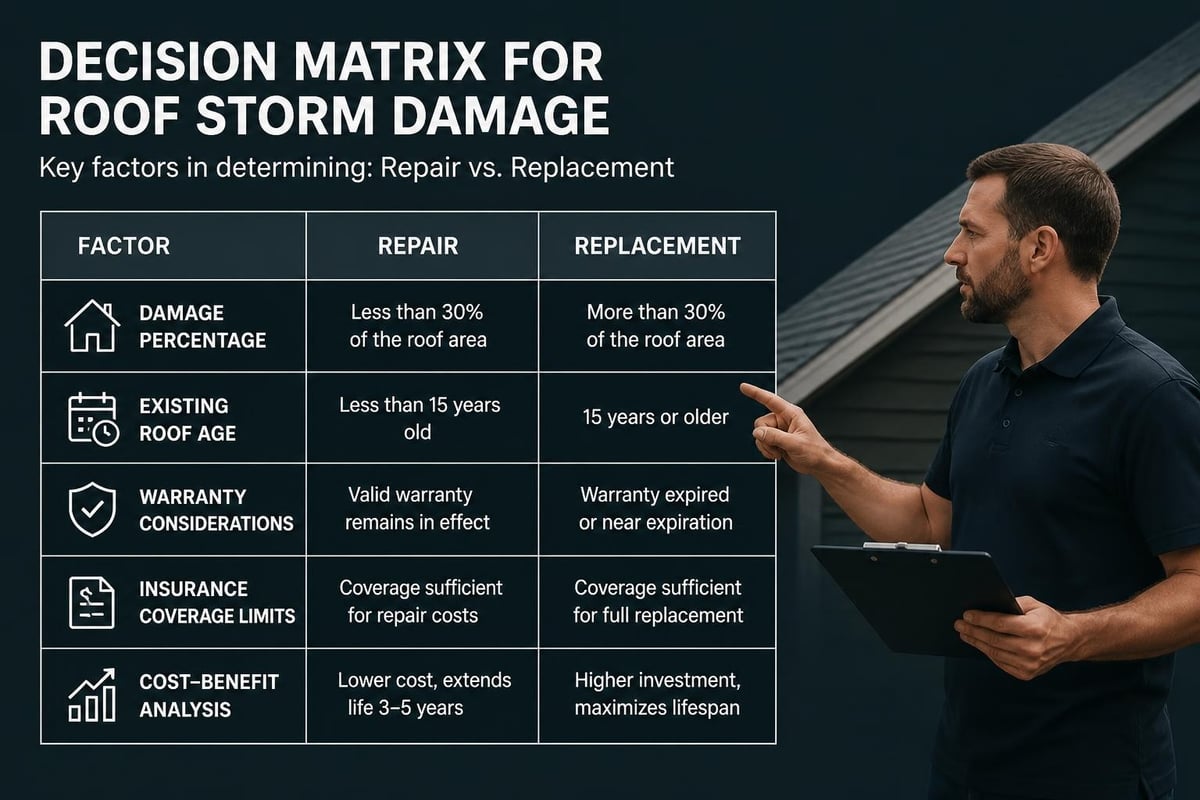
Insurance adjusters typically recommend replacement when damage affects more than 25-30% of the roof surface or when existing roofing systems have already exceeded their expected lifespan. Roof storm damage repair specialists evaluate not just visible damage but underlying deck condition, insulation integrity, and ventilation system functionality.
Hail damage creates unique assessment challenges. Unlike wind damage that visibly removes or tears materials, hail creates divots and bruising that may not compromise immediate function but significantly reduces remaining lifespan. Professional inspections use specific markers to identify hail impact patterns and determine whether replacement constitutes appropriate remediation.
Roof repair considerations include:
Regional factors influence roofing decisions. Properties in areas prone to frequent severe weather may benefit from enhanced materials that exceed minimum code requirements, potentially qualifying for insurance discounts while providing superior protection.
Water Damage Restoration Following Storm Events
Storm-related water intrusion creates cascading problems that extend far beyond obvious wet surfaces. Professional water extraction and drying prevent mold growth, structural deterioration, and permanent material damage that develops when moisture remains present for extended periods.
Category classification determines appropriate restoration approaches. Storm water typically falls into Category 3 (grossly contaminated water) because it may contain sewage, chemicals, or biological contaminants from outdoor sources. This classification requires more extensive safety protocols and disposal procedures than clean water incidents.
Structural drying follows scientific principles measuring moisture content in various materials and tracking progress toward established dry standards. Professional-grade dehumidifiers, air movers, and monitoring equipment ensure thorough drying that prevents future problems.
Material TypeDry StandardTypical Drying TimeMonitoring MethodHardwood Flooring6-9% moisture content3-5 daysPin-type meterDrywall0.7-1.0% moisture content3-7 daysNon-invasive meterConcrete<4% moisture content7-14 daysIn-situ probeInsulationNo visible moisture2-4 daysVisual/thermal imagingStructural Lumber15% moisture content5-10 daysDeep pin readings
Water damage creates ideal conditions for microbial growth. Mold remediation becomes necessary when moisture remains present for more than 24-48 hours in porous materials. Professional restoration includes antimicrobial treatments and monitoring for mold development even after drying appears complete.
Structural Repairs and Rebuilding
Severe storms can compromise structural elements requiring engineering assessment and specialized repair techniques. Load-bearing walls, roof trusses, and foundation systems demand expertise beyond cosmetic restoration when damage affects their integrity.
Engineering evaluation determines whether damaged structural components require repair or replacement. Modern building codes may require upgrades when repairs exceed certain thresholds, potentially increasing project scope beyond simple restoration.
Structural work follows strict sequencing. Temporary support systems maintain stability while damaged elements are repaired or replaced. This phased approach ensures safety for workers and prevents additional collapse or settling during reconstruction.
Permit requirements vary by jurisdiction but typically apply to structural repairs, electrical system work, and plumbing modifications. Professional restoration companies handle permitting processes, ensuring compliance with local regulations and avoiding delays that occur when work proceeds without proper authorization.
Structural repair phases include:
The connection between structural repairs and other restoration work requires careful coordination. Electrical and plumbing systems often integrate with structural elements, making sequential planning essential for efficient completion.
Tree Damage Assessment and Hazard Mitigation
Fallen or damaged trees create immediate hazards and ongoing risks requiring specialized evaluation. The Minnesota Department of Natural Resources storm damage tree assessment guidelines provide systematic approaches for determining which trees pose continued threats and which can be safely preserved.
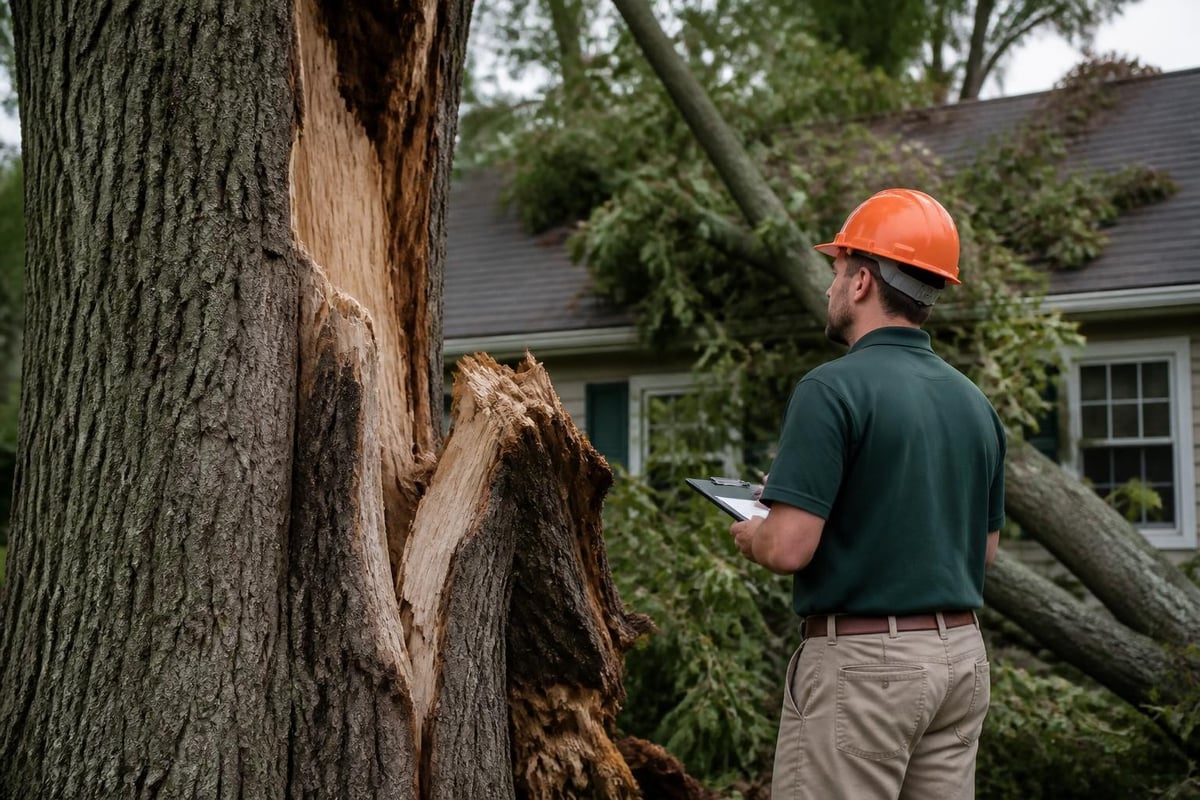
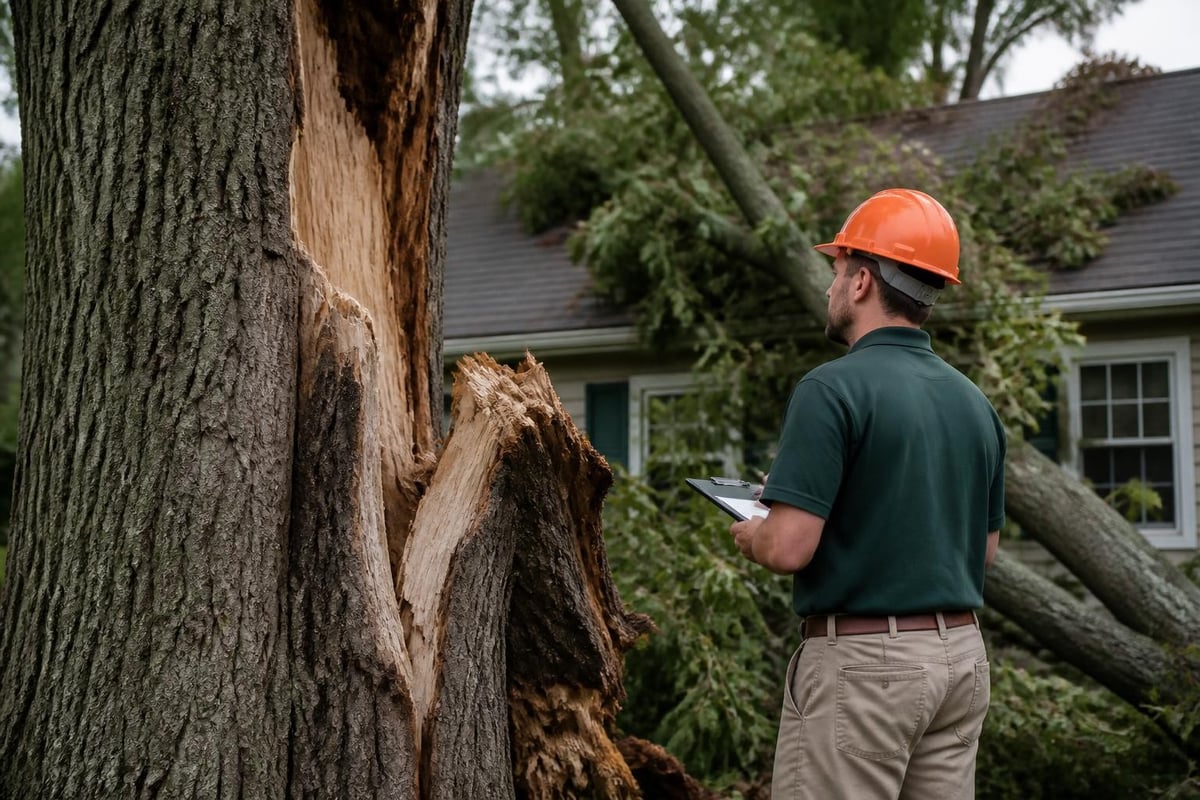
Professional arborists evaluate multiple factors when assessing storm-damaged trees. Trunk cracks, root exposure, significant lean changes, and crown damage all indicate potential instability. Trees touching structures or power lines require immediate professional intervention, as attempting DIY removal creates serious safety risks.
Insurance coverage for tree removal typically includes trees that have fallen onto insured structures but may exclude trees that fell on lawns or other areas without causing building damage. Understanding these coverage distinctions helps property owners make informed decisions about which removal costs insurance will cover.
Coordinating Multiple Contractors and Specialists
Complex storm damage repair often requires coordination among multiple specialized contractors. Roofing specialists, water damage restoration professionals, electricians, plumbers, and general contractors must work in sequence to complete comprehensive restoration efficiently.
Project management becomes critical when multiple trades interact. Professional restoration companies often serve as general contractors, coordinating all specialty work and ensuring proper sequencing that prevents delays and quality issues.
Timeline expectations should account for material availability, permit processing, and inspection scheduling. Storm events affecting large geographic areas create material shortages and contractor availability challenges. Properties receiving early professional engagement typically complete restoration 30-50% faster than those where coordination begins weeks after damage occurs.
Communication protocols keep property owners informed throughout multi-phase projects. Regular updates, photo documentation of progress, and advance notice of upcoming work phases reduce anxiety and allow property owners to plan around restoration activities.
Quality Assurance and Final Inspections
Completed storm damage repair should meet or exceed pre-loss conditions while incorporating improvements that enhance future resilience. Final inspections verify work quality and ensure all repairs meet applicable building codes and industry standards.
Professional restoration companies conduct internal quality checks before requesting official inspections. This pre-inspection identifies and corrects any deficiencies, streamlining the final approval process and preventing delays from failed inspections.
Final verification includes:
Warranties for restoration work vary by contractor and material type. Property owners should receive written warranty information covering labor and materials, with clear explanations of coverage periods and exclusion conditions.
Post-restoration monitoring catches potential issues before they develop into significant problems. Professional teams often schedule follow-up visits 30, 60, and 90 days after project completion to verify continued performance and address any concerns that emerge during initial occupancy.
Preventing Future Storm Damage
While no property can become completely storm-proof, strategic improvements reduce vulnerability to future weather events. Restoration projects provide opportunities to implement upgrades that weren't present in original construction.
Impact-resistant roofing materials withstand hail and wind forces better than standard products. While initial costs exceed basic materials, many insurance carriers offer premium discounts that offset the investment over time. Hurricane straps, reinforced connections, and upgraded fastening systems provide additional protection in high-wind regions.
Proper maintenance prevents minor issues from becoming major vulnerabilities during storms. Annual roof inspections identify loose or damaged shingles before they fail during weather events. Gutter cleaning ensures water management systems function properly during heavy rainfall. Tree trimming removes branches that could impact structures during high winds.
Weather monitoring and preparation protocols help property owners take protective action before storms arrive. Moving vehicles away from trees, securing outdoor items, and having emergency supplies ready reduces damage potential and facilitates faster recovery when severe weather strikes.
Storm damage repair requires immediate action, professional expertise, and systematic approaches that address both visible damage and hidden risks. Understanding the restoration process, documentation requirements, and coordination needs helps property owners navigate recovery effectively. When severe weather affects your property, CORE Restoration provides comprehensive disaster restoration services with 24/7 emergency response throughout the Walla Walla Valley and surrounding areas, working directly with insurance companies to ensure efficient, complete recovery from storm damage.