Roof Leaking: Causes, Repairs & Prevention Guide 2026

When water starts dripping from your ceiling, the reality of roof leaking becomes impossible to ignore. A compromised roof can quickly transform from a minor inconvenience into a major disaster, causing extensive water damage to your home's structure, belongings, and indoor air quality. Understanding the causes, recognizing early warning signs, and knowing how to respond can save property owners thousands of dollars in repairs while protecting their most valuable investment. Whether you're dealing with an active leak during a storm or investigating suspicious water stains, this comprehensive guide will help you navigate the complexities of roof damage and restoration.
Understanding the Common Causes of Roof Leaking
Roof leaking rarely happens without warning. Multiple factors contribute to roof failure, and identifying the root cause is essential for implementing effective repairs.
Age and wear represent the most common culprits behind roof leaking issues. Most asphalt shingle roofs last 20 to 25 years, while metal and tile roofs can endure 40 to 50 years with proper maintenance. As roofing materials age, they lose their ability to shed water effectively, creating vulnerabilities throughout the system.
Weather-Related Damage
Storm damage creates immediate and severe roof leaking problems across the Pacific Northwest and beyond. High winds can lift and remove shingles, exposing the underlayment to rain and moisture. Hail impacts create cracks and punctures in various roofing materials, while ice dams force water underneath shingles during winter freezes.
The storm damage restoration process often begins with emergency roof repairs to prevent further water intrusion. Property owners should document all damage immediately and contact restoration professionals who can work with insurance adjusters to assess the full extent of the problem.
Structural and Installation Issues
Improper installation creates long-term roof leaking vulnerabilities that may not appear for years. Inadequate ventilation causes heat and moisture buildup in attics, accelerating material degradation and creating condensation that mimics roof leaking. Poor workmanship around flashing, valleys, and penetrations leaves gaps where water can enter.
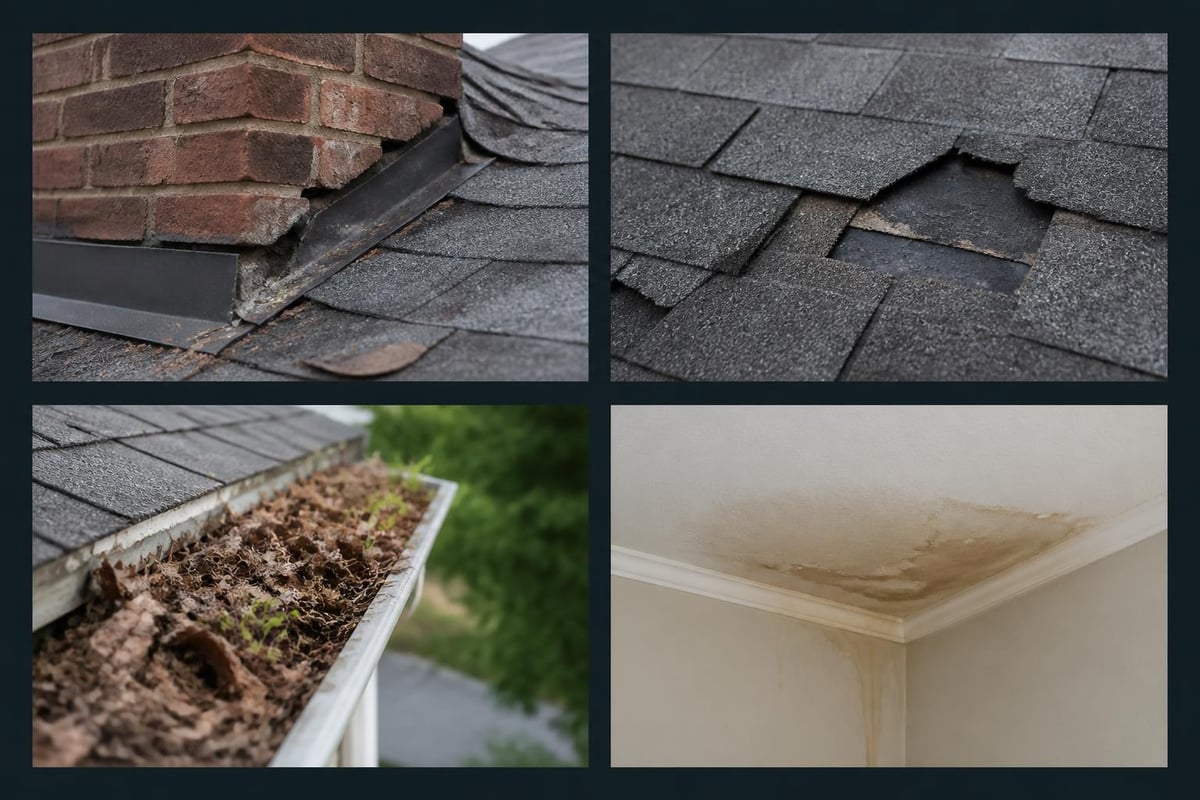
According to weatherproofing experts, flashing failures account for a significant percentage of all roof leaks. These metal strips seal transitions between different roof planes, around chimneys, and along walls. When flashing corrodes, pulls away from surfaces, or was never properly installed, water finds an easy pathway into your home.
Identifying Early Warning Signs Before Major Damage Occurs
Catching roof leaking in its early stages can prevent catastrophic water damage and costly repairs. Vigilant property owners should conduct regular inspections both inside and outside their homes.
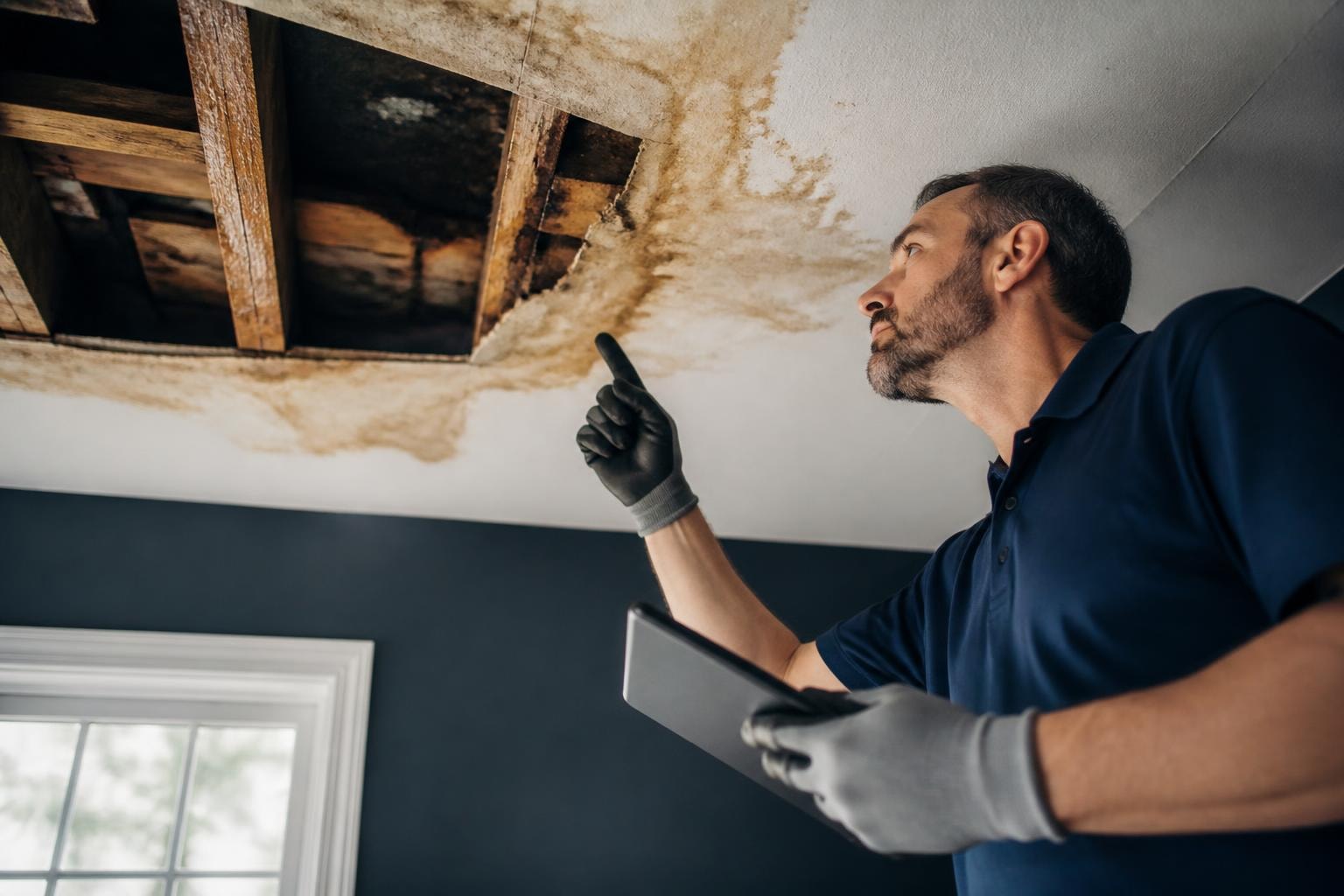
Interior warning signs include water stains on ceilings or walls, typically appearing as discolored patches in brown, yellow, or gray. Peeling paint or wallpaper near the roofline indicates moisture problems. Musty odors in upper-level rooms or attics suggest hidden water accumulation, while visible mold growth confirms ongoing moisture issues that may require mold remediation services.
Exterior Inspection Checklist
Regular exterior inspections reveal problems before they cause interior damage. Homeowners should examine their roofs at least twice yearly, preferably in spring and fall.
Inspection AreaWhat to Look ForUrgency LevelShinglesCurling, cracking, missing granulesHigh if widespreadFlashingRust, gaps, loose sectionsCriticalGuttersClogs, sagging, overflowMedium to HighValleysDebris accumulation, wear patternsHighPenetrationsCracked seals around vents, pipesMediumChimneyDamaged mortar, missing capHigh
Professional assessment provides the most accurate evaluation of roof condition. Restoration specialists use moisture meters, thermal imaging, and hands-on inspection techniques to identify hidden damage that homeowners might miss. This comprehensive approach becomes especially important when dealing with older roofs or after severe weather events.
Different Roof Types and Their Unique Leaking Challenges
Not all roofs fail in the same way. Understanding your specific roofing material helps predict potential problems and appropriate repair methods.
Flat and Low-Slope Roofs
Commercial buildings and modern residential designs often feature flat or low-slope roofs that present unique challenges. Flat roof leaking typically results from ponding water, where poor drainage allows water to accumulate in low spots. This standing water eventually finds or creates breaches in the roofing membrane.
EPDM rubber roofing, TPO, and built-up roofing systems each have specific failure points. Seam separation represents the most common issue with membrane roofs, while blistering and cracking affect built-up surfaces. Regular maintenance and prompt repairs extend the life of these systems significantly.
Metal Roofing Systems
Despite their durability, metal roofs aren't immune to leaking. Metal roof leaks often occur at fastener locations where screws penetrate the panels. Thermal expansion and contraction cause these fasteners to work loose over time, creating small gaps around each penetration.
Repair considerations for metal roofs include:
Tile and Slate Roofing
Traditional tile and slate roofs offer exceptional longevity but require specialized repair knowledge. The materials themselves often outlast the underlayment and supporting structure. When tile roof leaking occurs, professionals must navigate the complex layered system without damaging irreplaceable historic tiles.
Broken or displaced tiles create obvious entry points, but more insidious problems develop when the underlayment fails beneath intact tiles. This hidden deterioration allows water to penetrate while the visible roof appears sound. Proper diagnosis requires removing sample tiles to inspect the underlying waterproofing layers.
Professional Repair Methods and Restoration Processes
Addressing roof leaking requires more than just patching visible holes. Comprehensive restoration ensures long-term protection and prevents recurring problems.
Emergency Response and Temporary Measures
When active roof leaking threatens your property during storms or after sudden damage, immediate action prevents escalating losses. Professional restoration teams provide 24/7 emergency response to stabilize situations before permanent repairs can begin.
Temporary protection strategies include installing tarps over damaged sections, placing collection buckets to contain dripping water, and extracting standing water from affected areas. These measures protect belongings and prevent secondary damage like mold growth while permanent repairs are planned and executed.
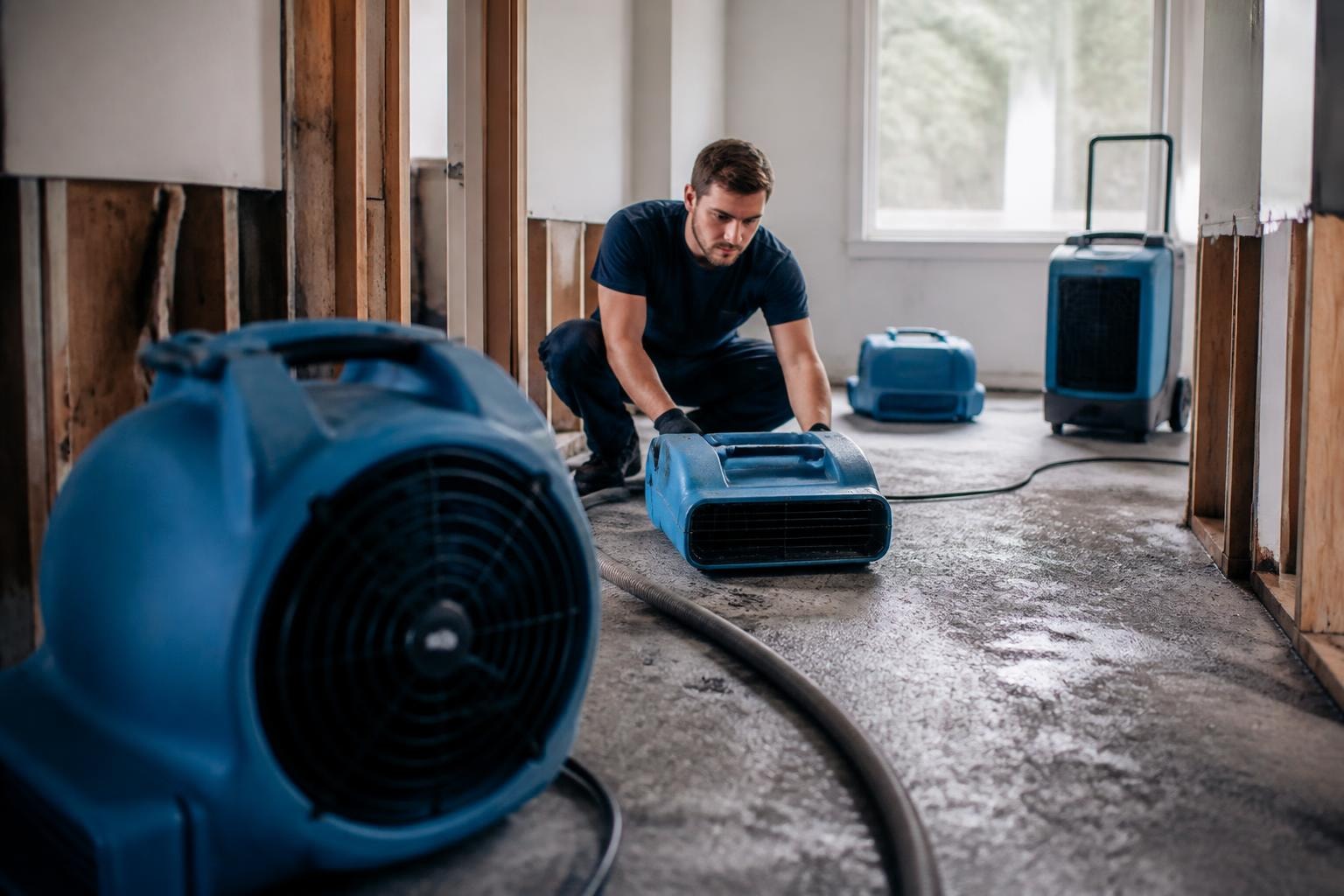
The water damage restoration process begins immediately after roof leaking is contained. Technicians use industrial dehumidifiers, air movers, and moisture meters to dry affected structures completely. This rapid response within the first 24 to 48 hours makes the difference between minor repairs and extensive reconstruction.
Comprehensive Repair Approaches
Effective roof leaking repairs address both symptoms and underlying causes. Patch jobs might stop immediate dripping, but they often fail to resolve systemic issues that will cause future problems.
A professional repair process follows this methodology:
For commercial properties, commercial roof leak repair requires additional considerations including business interruption minimization, employee safety during repairs, and compliance with building codes specific to commercial structures.
Prevention Strategies and Maintenance Programs
Preventing roof leaking costs far less than repairing the damage it causes. Strategic maintenance extends roof life and identifies small issues before they become emergencies.
Regular Inspection Schedules
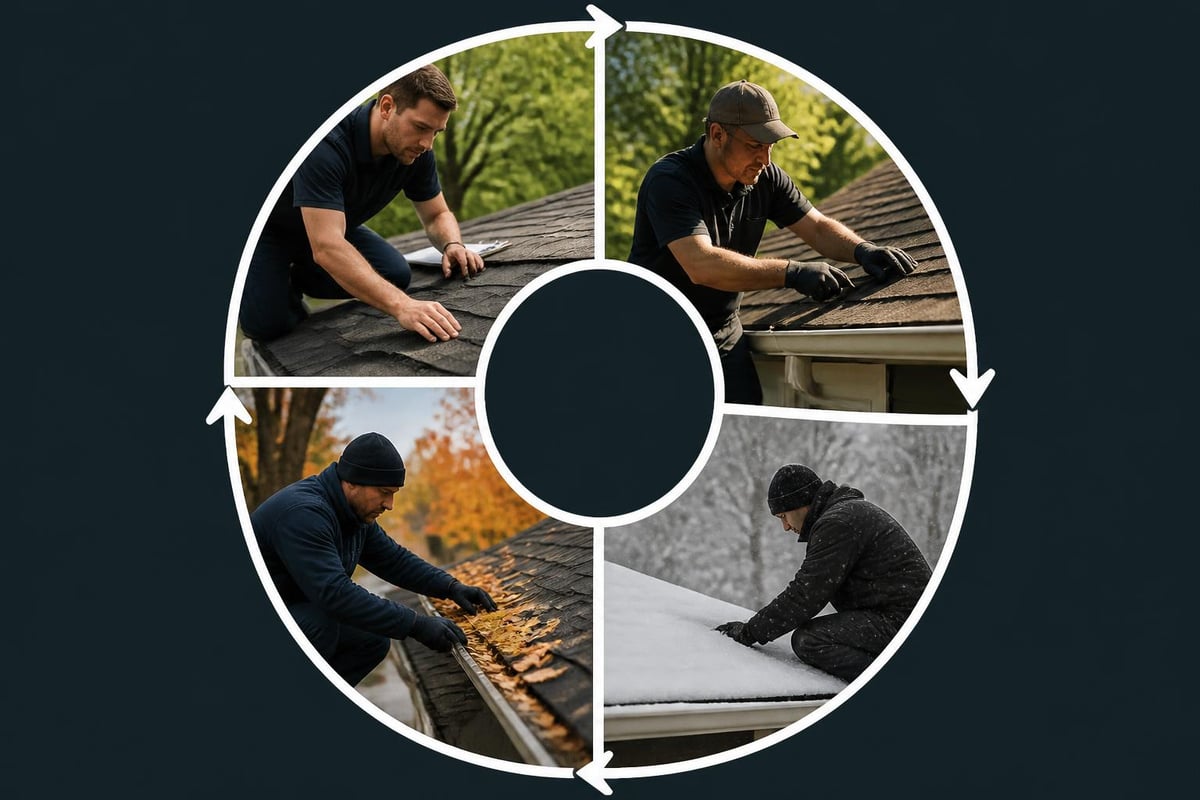
Seasonal maintenance keeps roofing systems functioning optimally throughout the year. Spring inspections should focus on winter damage assessment, checking for ice dam damage, displaced shingles, and clogged drainage systems. Fall preparation includes gutter cleaning, trimming overhanging branches, and verifying all seals before winter weather arrives.
Professional inspections every three to five years provide expert evaluation beyond what homeowners can accomplish. Certified inspectors identify subtle deterioration patterns, measure remaining roof life, and recommend preventive repairs that avoid future roof leaking disasters.
SeasonPriority TasksExpected OutcomesSpringShingle inspection, flashing check, gutter cleaningWinter damage identificationSummerAttic ventilation review, minor repairsHeat damage preventionFallDebris removal, seal verification, drainage testingWinter preparationWinterIce dam monitoring, snow load managementStorm damage minimization
Gutter and Drainage System Maintenance
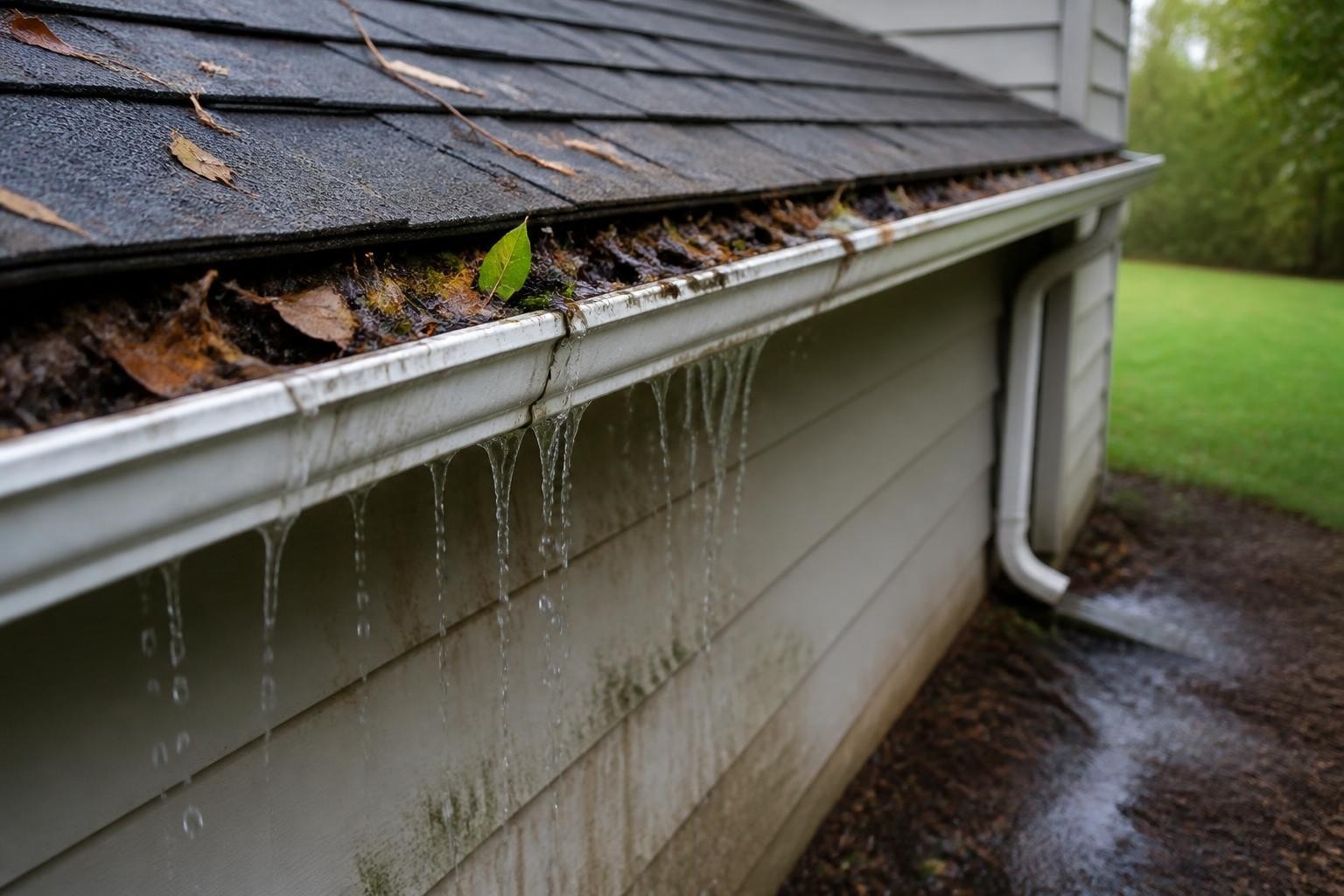
Clogged gutters create multiple pathways for roof leaking to develop. When gutters overflow, water backs up under shingles along the roof edge. This persistent moisture rots fascia boards, deteriorates underlayment, and eventually penetrates interior walls.
According to roofing specialists, gutter-related water intrusion ranks among the top eight causes of roof damage. Property owners should clean gutters at least twice yearly, install gutter guards in heavily treed areas, and ensure downspouts direct water at least six feet from foundation walls.
Working with Insurance and Restoration Professionals
When roof leaking causes significant damage, navigating insurance claims and restoration services becomes crucial to recovery. Understanding this process helps property owners maximize their coverage and restore their homes efficiently.
Documentation and Claims Process
Immediate documentation protects your insurance interests when roof leaking occurs. Take photographs and videos of all damage, both on the roof and inside your home. Note the date and time when you discovered the leak, weather conditions, and any emergency measures you implemented.
Insurance companies require thorough evidence to process claims effectively. Working with restoration professionals who understand insurance requirements ensures proper documentation from the start. Experienced teams create detailed damage assessments, scope of work documents, and cost estimates that insurance adjusters can quickly approve.
Key documentation includes:
Choosing Qualified Restoration Contractors
Not all contractors possess the expertise required for complex roof leaking repairs and associated water damage restoration. Selecting qualified professionals ensures quality work and smooth insurance cooperation.
Verify that contractors maintain proper licensing, insurance coverage, and certifications from industry organizations like the Institute of Inspection, Cleaning and Restoration Certification (IICRC). Established restoration companies with years of experience understand both the technical and administrative aspects of disaster recovery.
Companies offering comprehensive services handle every aspect of recovery, from initial emergency response through final reconstruction. This integrated approach streamlines the process, reduces coordination headaches, and ensures consistent quality across all restoration phases. When roof leaking has caused extensive damage, working with specialists who provide water clean-up services alongside structural repairs delivers better outcomes than coordinating multiple separate contractors.
Long-Term Roof Management and Replacement Planning
Even well-maintained roofs eventually require replacement. Strategic planning prevents emergency situations and allows property owners to budget appropriately.
Recognizing Replacement Timing
Age alone doesn't determine replacement needs, but it provides important context. A 20-year-old asphalt shingle roof showing widespread granule loss, curling, and multiple roof leaking incidents needs replacement rather than repeated repairs. Conversely, a 15-year-old roof with isolated damage might benefit from targeted repairs that extend its life another five to ten years.
Cost-benefit analysis guides replacement decisions. When annual repair costs exceed 25% of replacement value, or when repairs only provide short-term solutions, replacement becomes the economical choice. Additionally, recurring roof leaking despite multiple repair attempts indicates systemic failure requiring complete roof replacement.
Modern Roofing Technologies
Today's roofing materials offer significant improvements over products installed even a decade ago. Impact-resistant shingles resist hail damage better than traditional options. Cool-roof technologies reflect more sunlight, reducing cooling costs and extending material life. Advanced synthetic underlayments provide superior water resistance compared to traditional felt paper.
Energy efficiency considerations factor into replacement planning. Many modern roofing systems qualify for energy tax credits when they meet specific reflectivity and insulation standards. While initial costs run higher, long-term savings through reduced utility bills and extended material life offset the investment.
Property owners should also consider fire-resistant materials, especially in areas prone to wildfires. Class A fire-rated roofing systems provide critical protection that can prevent total loss during fire events affecting neighboring properties.
Regional Considerations for the Pacific Northwest
Climate-specific challenges affect roof leaking patterns in the Walla Walla Valley, Oregon, and surrounding regions. Understanding local weather impacts helps property owners prepare appropriately.
Winter Weather Challenges
Freeze-thaw cycles create unique stresses on roofing systems throughout the Pacific Northwest. Water infiltrates small cracks during rainy periods, then expands when temperatures drop below freezing. This expansion widens cracks and displaces materials, creating progressively larger vulnerabilities with each cycle.
Ice dams form when heat escaping through inadequately insulated roofs melts snow, which then refreezes at the roof edge. The resulting ice barrier traps water behind it, forcing moisture under shingles and creating interior roof leaking. Proper attic insulation and ventilation prevent ice dam formation more effectively than any reactive measure.
Similar to preventing frozen pipes, protecting your roof from winter damage requires proactive preparation. Ensuring adequate attic insulation, maintaining proper ventilation, and removing snow accumulation before it becomes excessive all contribute to winter roof protection.
Spring Flood and Storm Preparation
Regional spring weather patterns bring intense rainfall that tests roofing system capacity. Proper spring flood preparation includes verifying that your roof can handle heavy water volume without leaking or developing drainage problems.
Storm preparedness steps include:
When severe weather warnings are issued, having emergency contact information for restoration services readily available ensures quick response if roof leaking develops. Companies providing 24/7 emergency services can often prevent minor roof leaking from becoming major water damage disasters.
Protecting your property from roof leaking requires vigilance, regular maintenance, and prompt professional intervention when problems develop. Understanding the causes, warning signs, and effective repair methods empowers property owners to make informed decisions that preserve their investments. When roof leaking does occur, responding quickly minimizes damage and restoration costs. With over 19 years of experience serving the Walla Walla Valley and surrounding areas, CORE Restoration provides comprehensive disaster restoration services including emergency roof leak response, water damage restoration, and complete structural repairs. Our 24/7 emergency response team works directly with insurance companies to ensure efficient recovery from unexpected disasters, helping you restore your property and peace of mind.