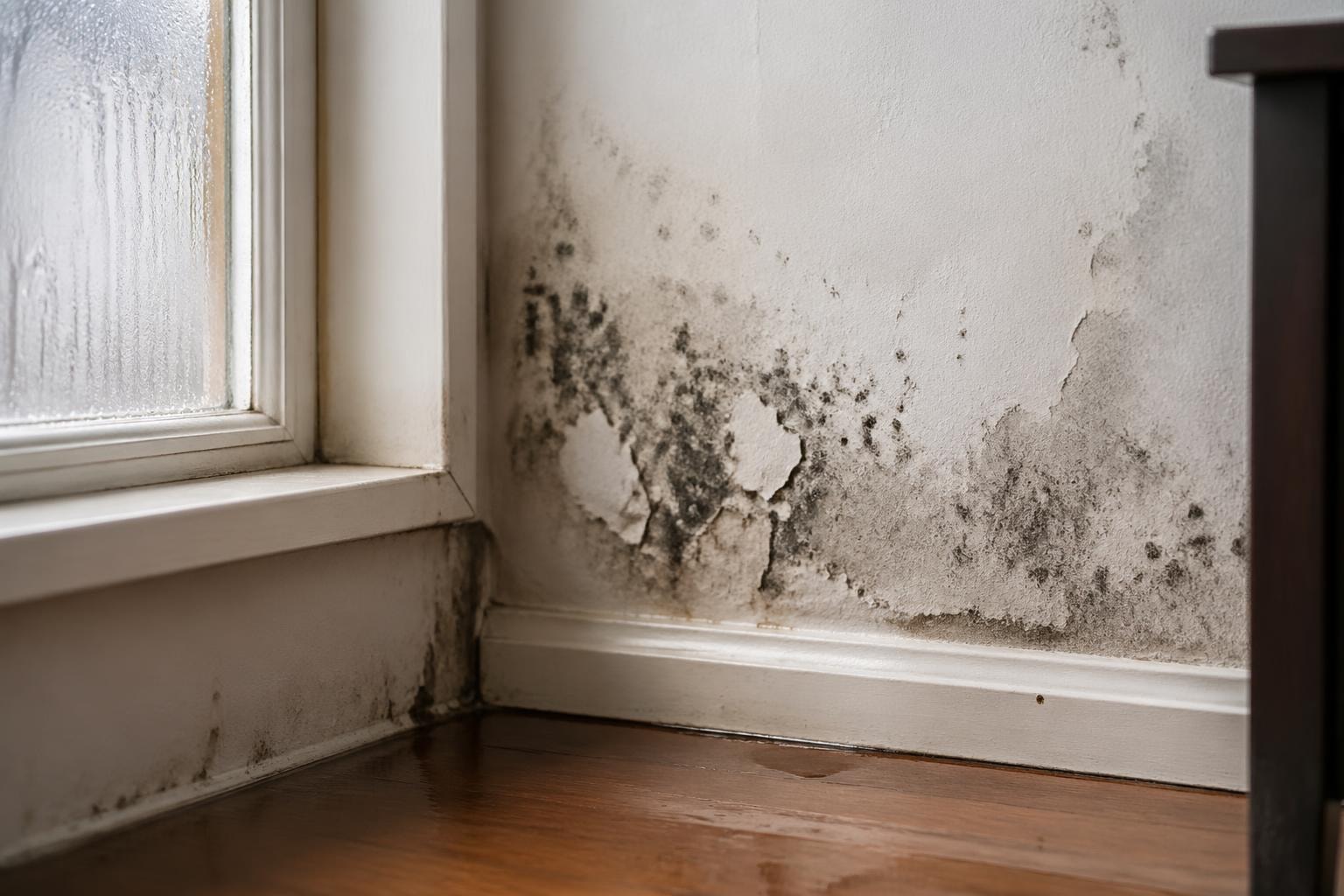
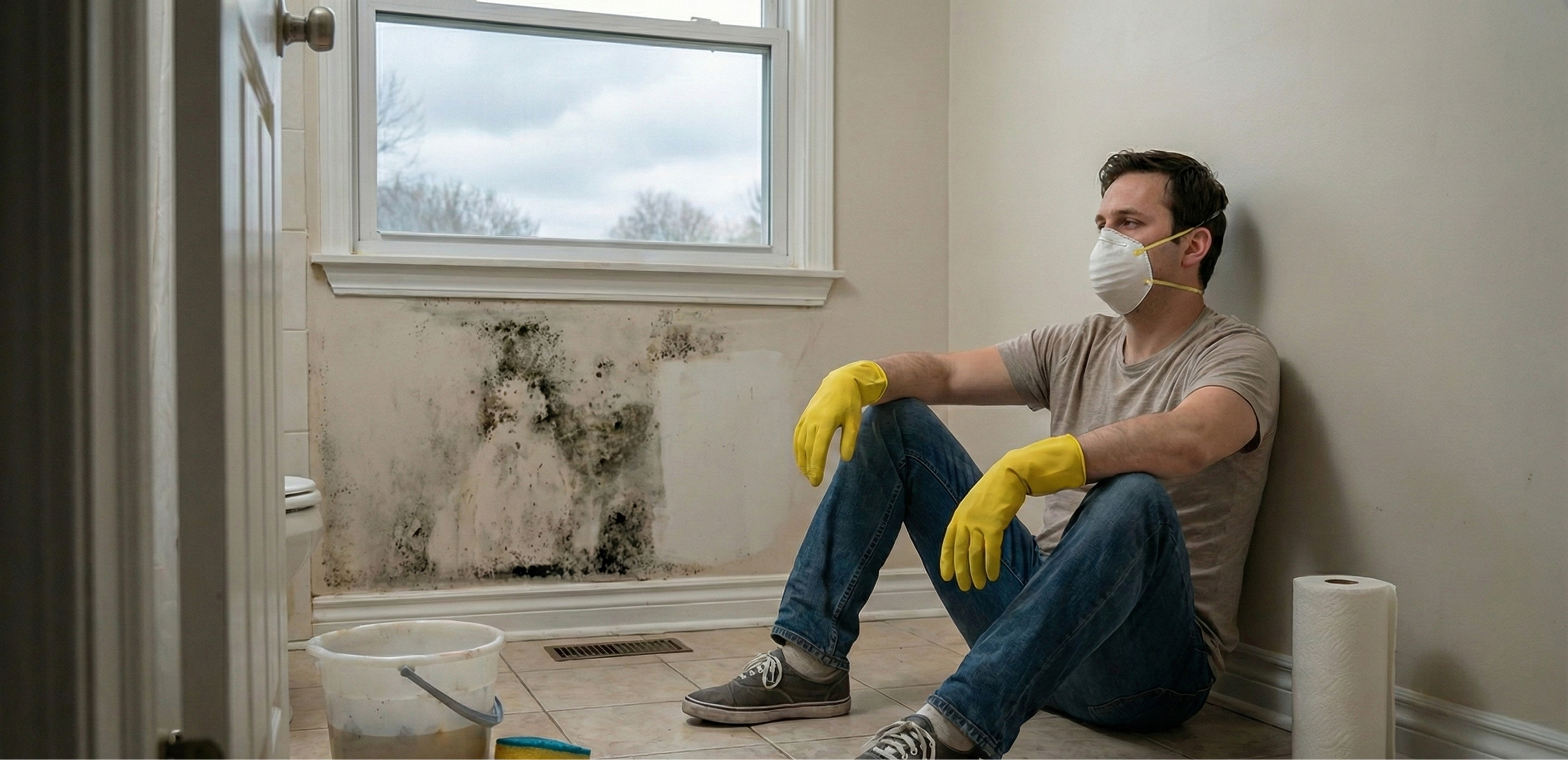
Mold and Mildew: Prevention, Identification & Removal
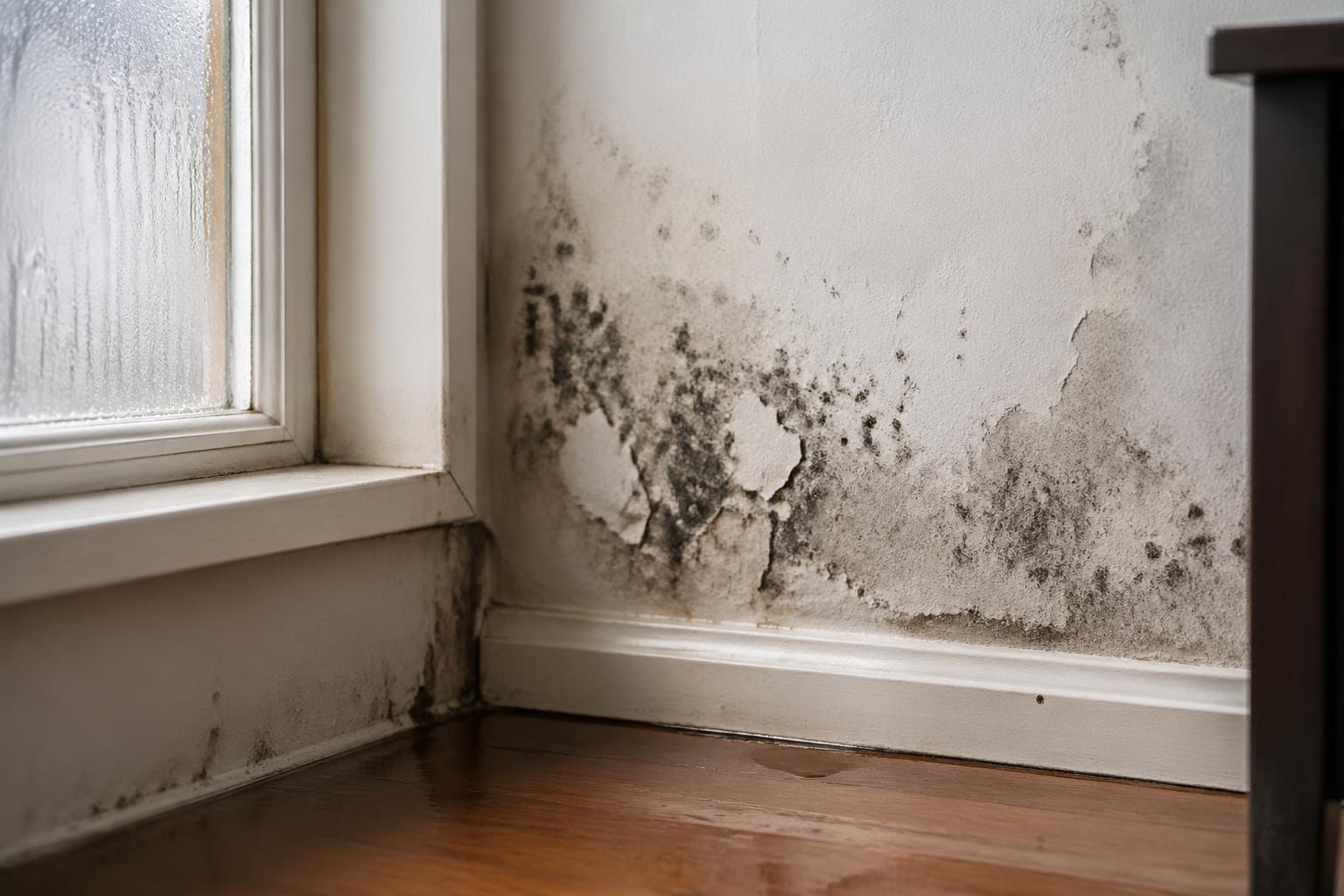
Property owners across the Pacific Northwest face a constant challenge from moisture-related issues, particularly during the wet seasons. Understanding the differences between mold and mildew, recognizing early warning signs, and implementing effective prevention strategies can save thousands of dollars in restoration costs while protecting your family's health. These microscopic fungi thrive in damp environments and can colonize surfaces within 24 to 48 hours of water exposure, making rapid response essential when dealing with any moisture intrusion event.
Understanding the Difference Between Mold and Mildew
While many people use these terms interchangeably, mold and mildew represent distinct types of fungal growth with different characteristics and remediation requirements.
Mildew typically appears as a flat, powdery substance that grows on surfaces rather than penetrating them. You'll commonly find it in damp areas like shower walls, windowsills, and basement floors. It presents as white or gray patches initially, later turning brown or black as it matures.
Mold, on the other hand, grows in multiple forms and colors including black, green, blue, or red. Unlike mildew's surface-level growth, mold penetrates materials and can cause structural damage over time. The CDC provides detailed information on mold testing and remediation that explains these crucial differences.
Common Types Found in Homes
Different species of mold and mildew colonize various areas of residential and commercial properties:
- Aspergillus: Common in household dust, food items, and building materials
- Cladosporium: Grows on fabrics, wood surfaces, and HVAC systems
- Stachybotrys (black mold): Develops on water-damaged cellulose materials
- Penicillium: Found on water-damaged furnishings, wallpaper, and insulation
- Powdery mildew: Frequently appears in bathrooms and on window frames
Each type requires specific identification methods and removal protocols. Professional mold remediation services include proper testing to determine species and extent of contamination before developing a treatment plan.

Health Risks Associated with Fungal Growth
The presence of mold and mildew in indoor environments poses varying levels of health concerns depending on exposure duration, concentration, and individual sensitivity.
| Health Effect | Symptoms | At-Risk Groups |
|---|---|---|
| Respiratory Issues | Coughing, wheezing, throat irritation | Asthma sufferers, children |
| Allergic Reactions | Sneezing, runny nose, skin rashes | People with allergies |
| Asthma Attacks | Difficulty breathing, chest tightness | Asthmatic individuals |
| Infections | Pneumonia, sinusitis | Immunocompromised persons |
According to the National Institute of Environmental Health Sciences, exposure to damp and moldy environments may cause various health effects, particularly in sensitive individuals. Some people experience no symptoms, while others develop significant respiratory problems.
Vulnerable Populations
Certain groups face heightened risks from mold and mildew exposure:
- Infants and young children with developing immune systems
- Elderly individuals with weakened immunity
- People with chronic lung diseases such as COPD
- Individuals undergoing chemotherapy or taking immunosuppressant medications
- Anyone with existing mold allergies or sensitivities
Property owners should prioritize immediate remediation when these vulnerable populations occupy the space. Professional assessment becomes particularly important in healthcare facilities, schools, and multi-family housing units.
Primary Causes of Mold and Mildew Growth
Understanding what triggers fungal development helps property owners implement effective prevention strategies. Mold and mildew require four basic elements to grow: moisture, oxygen, organic material, and temperatures between 40°F and 100°F.
Moisture sources represent the most controllable factor. Common culprits include:
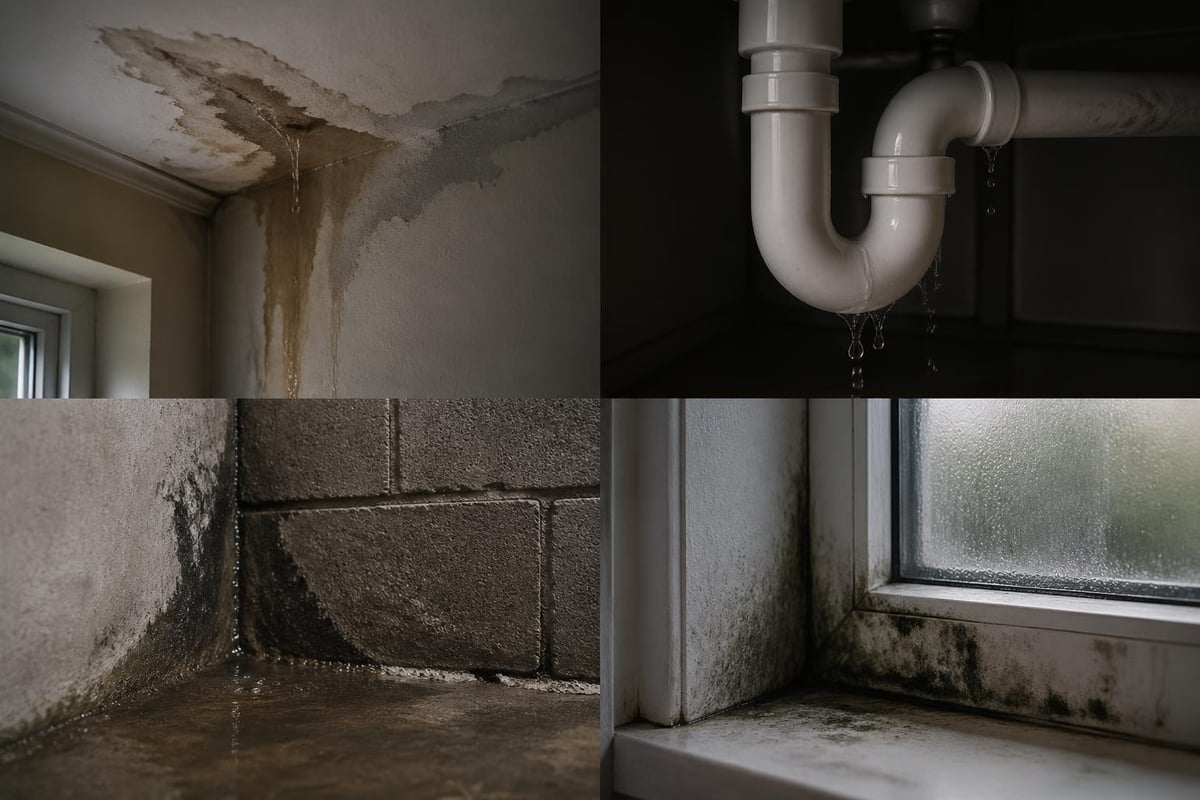
- Plumbing leaks in walls, ceilings, or under sinks
- Roof damage allowing water infiltration
- Foundation cracks permitting groundwater seepage
- Condensation from poor ventilation
- Flooding events from storms or appliance failures
- High indoor humidity levels exceeding 60%
The EPA emphasizes moisture control as the single most important prevention strategy. Without adequate moisture, mold and mildew simply cannot establish colonies regardless of other favorable conditions.
Hidden Moisture Problems
Many mold and mildew issues stem from moisture problems that remain undetected for months or years:
Behind walls and ceilings where slow plumbing leaks saturate insulation and drywall. These hidden colonies often grow extensively before visible signs appear on interior surfaces. Professional water damage restoration includes thermal imaging to detect these concealed moisture pockets.
In HVAC systems where condensation accumulates on cooling coils and in ductwork. Air circulation then distributes spores throughout the entire building, affecting air quality in every room.
Under flooring materials following water intrusion events. Moisture trapped beneath vinyl, laminate, or hardwood flooring creates ideal conditions for mold and mildew growth on subflooring and floor joists.
Early Detection and Identification Methods
Recognizing mold and mildew growth in its early stages significantly reduces remediation complexity and costs. Property owners should conduct regular inspections focusing on high-risk areas.
Visual Inspection Techniques
Look for these telltale signs during monthly walkthroughs:
- Discoloration or staining on walls, ceilings, and floors
- Fuzzy or slimy patches in various colors
- Warped or bubbling paint and wallpaper
- Peeling or cracking surface materials
- Water stains indicating previous or ongoing leaks
Pay special attention to areas around windows, exterior walls, bathrooms, kitchens, basements, and attics. Oregon State University's resources provide helpful visual guides for identifying different growth patterns.
The Smell Test
Many people detect mold and mildew problems through their distinctive musty, earthy odor before seeing visible growth. This smell indicates active microbial growth somewhere in the building, even if you can't locate the source immediately.
If you notice persistent musty odors, investigate thoroughly:
- Check behind furniture and stored items
- Inspect inside closets and cabinets
- Examine crawl spaces and attics
- Review HVAC system components
- Investigate areas below bathrooms and kitchens
When odors persist without visible growth, professional moisture meters and infrared cameras can pinpoint hidden problems within building cavities.
Prevention Strategies for Property Owners
Preventing mold and mildew growth proves far more cost-effective than remediation. Property owners should implement multiple defensive strategies simultaneously.
Control indoor humidity levels by maintaining relative humidity between 30% and 50%. Use dehumidifiers in basements, crawl spaces, and other moisture-prone areas. Monitor levels with inexpensive hygrometers available at hardware stores.
Improve ventilation throughout the property. Install exhaust fans in bathrooms and kitchens, ensuring they vent outdoors rather than into attics. Open windows periodically to exchange indoor air, particularly after cooking or bathing.
Address water problems immediately as detailed in resources about water restoration damage. Even minor leaks create conditions favoring mold and mildew development within hours.
| Prevention Method | Implementation | Effectiveness |
|---|---|---|
| Humidity Control | Dehumidifiers, ventilation | High |
| Regular Inspections | Monthly walkthroughs | Medium |
| Prompt Repairs | Fix leaks within 24 hours | Very High |
| Proper Drainage | Grade soil away from foundation | High |
| Gutter Maintenance | Clean quarterly | Medium |
Seasonal Maintenance Tasks
Different seasons present unique challenges for mold and mildew prevention:
Spring: Inspect for winter storm damage, clear gutters, check roof flashings, and address any spring flood preparation needs.
Summer: Monitor basement humidity, inspect air conditioning condensate drains, and check for condensation on windows and pipes.
Fall: Clean gutters again, inspect weather-stripping, and prepare for winter moisture challenges including frozen pipe prevention.
Winter: Check for ice dams, monitor indoor humidity from heating systems, and inspect for condensation issues.

Safe Cleaning Methods for Minor Growth
Property owners can safely address small areas of mold and mildew growth (less than 10 square feet) using proper techniques and safety precautions. Larger infestations require professional intervention.
DIY Cleaning Solutions
Several household products effectively kill mold and mildew on non-porous surfaces:
- White vinegar: Spray full-strength, wait one hour, then scrub and rinse
- Hydrogen peroxide (3%): Apply, let sit 10 minutes, scrub thoroughly
- Baking soda solution: Mix one teaspoon per cup of water, spray and scrub
- Borax: Dissolve one cup in one gallon of water, apply and wipe clean
Never mix cleaning products, especially bleach with ammonia or vinegar, as this creates dangerous fumes. The EPA's mold FAQs address common cleaning misconceptions.
Safety Precautions
Even when cleaning small areas of mold and mildew, protect yourself appropriately:
- Wear N95 respirator or higher-rated mask
- Use waterproof gloves extending to forearms
- Protect eyes with safety goggles
- Ensure adequate ventilation during cleaning
- Dispose of contaminated materials in sealed plastic bags
Avoid disturbing mold and mildew colonies more than necessary. Aggressive scrubbing releases millions of spores into the air, potentially spreading contamination to previously unaffected areas.
When Professional Remediation Becomes Necessary
Many situations exceed the scope of DIY mold and mildew removal. Professional remediation services ensure complete elimination while protecting occupant health and property value.
Seek professional help when:
- Growth covers more than 10 square feet
- Contamination affects HVAC systems
- Mold penetrates building materials like drywall or insulation
- Growth recurs repeatedly after cleaning
- Water damage involved sewage or contaminated water
- Occupants experience health symptoms
- Property transactions require mold clearance testing
Professional mold remediation follows established protocols including containment, air filtration, removal of affected materials, antimicrobial treatment, and verification testing.
The Professional Remediation Process
Understanding what professionals do helps property owners make informed decisions:
| Phase | Activities | Duration |
|---|---|---|
| Assessment | Moisture mapping, air sampling, visual inspection | 1-2 days |
| Containment | Seal affected areas, negative air pressure | 1 day |
| Removal | Extract contaminated materials, HEPA vacuuming | 2-5 days |
| Treatment | Antimicrobial application, cleaning surfaces | 1-2 days |
| Verification | Post-remediation testing, clearance certificate | 1-2 days |
Timelines vary based on contamination extent and affected materials. Projects involving structural components naturally require more time than surface-level mildew removal.
Insurance Considerations and Documentation
Property insurance policies typically cover mold and mildew remediation when growth results from covered perils like sudden pipe bursts or storm damage. However, coverage for gradual moisture problems or maintenance issues may be limited or excluded.
Document everything thoroughly:
- Photograph all visible growth and water damage
- Record dates when problems first appeared
- Save receipts for emergency services and temporary repairs
- Maintain communication logs with insurance adjusters
- Obtain professional inspection reports
Contact your insurance company immediately after discovering significant mold and mildew growth. Many policies impose strict notification deadlines, and delayed reporting can jeopardize coverage. Understanding water damage restoration costs helps during insurance negotiations.
Working with Restoration Professionals
Choose certified restoration companies experienced in insurance claims. These professionals understand documentation requirements and communicate effectively with adjusters, streamlining the claims process.
Reputable companies provide:
- Detailed scope of work documents
- Itemized cost estimates
- Progress photographs throughout remediation
- Final verification testing results
- Warranties on completed work
Working with established disaster restoration services ensures proper protocols and reduces the likelihood of claim denials due to inadequate documentation.
Long-Term Property Protection Strategies
After successfully addressing mold and mildew problems, implement ongoing protection measures to prevent recurrence. These strategies preserve property value while maintaining healthy indoor environments.
Install moisture detection systems that alert you to leaks before extensive damage occurs. Smart water sensors placed near water heaters, washing machines, sinks, and toilets provide 24/7 monitoring. Some systems automatically shut off water supplies when leaks are detected.
Upgrade building materials during renovations. Choose mold-resistant drywall, moisture-resistant insulation, and antimicrobial paints in high-risk areas. These products don't prevent mold and mildew entirely but significantly slow growth when moisture problems occur.
Maintain proper exterior drainage by ensuring ground slopes away from foundations at least six inches over ten feet. Extend downspouts at least five feet from the building. These simple measures prevent groundwater infiltration that creates ideal conditions for mold and mildew in basements and crawl spaces.
Creating a Maintenance Schedule
Regular inspections and maintenance prevent small issues from becoming major mold and mildew problems:
- Monthly: Check under sinks, inspect bathroom caulking, test exhaust fans
- Quarterly: Clean gutters, inspect roof from ground level, check basement humidity
- Semi-annually: Deep clean HVAC systems, inspect attic ventilation, test sump pumps
- Annually: Professional HVAC service, roof inspection, plumbing assessment
Property owners who follow structured maintenance schedules experience fewer emergency restoration needs and lower long-term maintenance costs.
Understanding mold and mildew growth patterns, health risks, and prevention strategies empowers property owners to maintain healthy indoor environments while protecting their investments. Whether you're dealing with a current contamination issue or implementing preventive measures, professional guidance ensures proper protocols and complete remediation. CORE Restoration brings over 19 years of experience helping property owners throughout the Walla Walla Valley and surrounding areas address mold problems with 24/7 emergency response and comprehensive restoration services. Our certified team works directly with insurance companies to ensure smooth, efficient remediation that restores your property to pre-loss condition.