How to Prevent Frozen Pipes: The 2025 Homeowner’s Guide
Every winter, countless homeowners discover the harsh reality of frozen pipes, facing expensive repairs and major water damage that can turn a cozy season into a stressful ordeal.
If you want to know how to prevent frozen pipes before cold weather strikes, you’re in the right place. This 2025 guide will walk you through the science behind freezing, key prevention techniques, smart home upgrades, and emergency steps to protect your home. With expert insights and practical tips, you’ll learn how to safeguard your property and enjoy peace of mind all winter long.
Understanding Why Pipes Freeze
Every year, homeowners ask how to prevent frozen pipes and avoid the headaches that come with winter. To protect your home, it’s crucial to understand both the science and the common risk factors that lead to pipe freezing. Let’s break down the key reasons and warning signs so you can take action before disaster strikes.
The Science Behind Freezing Pipes
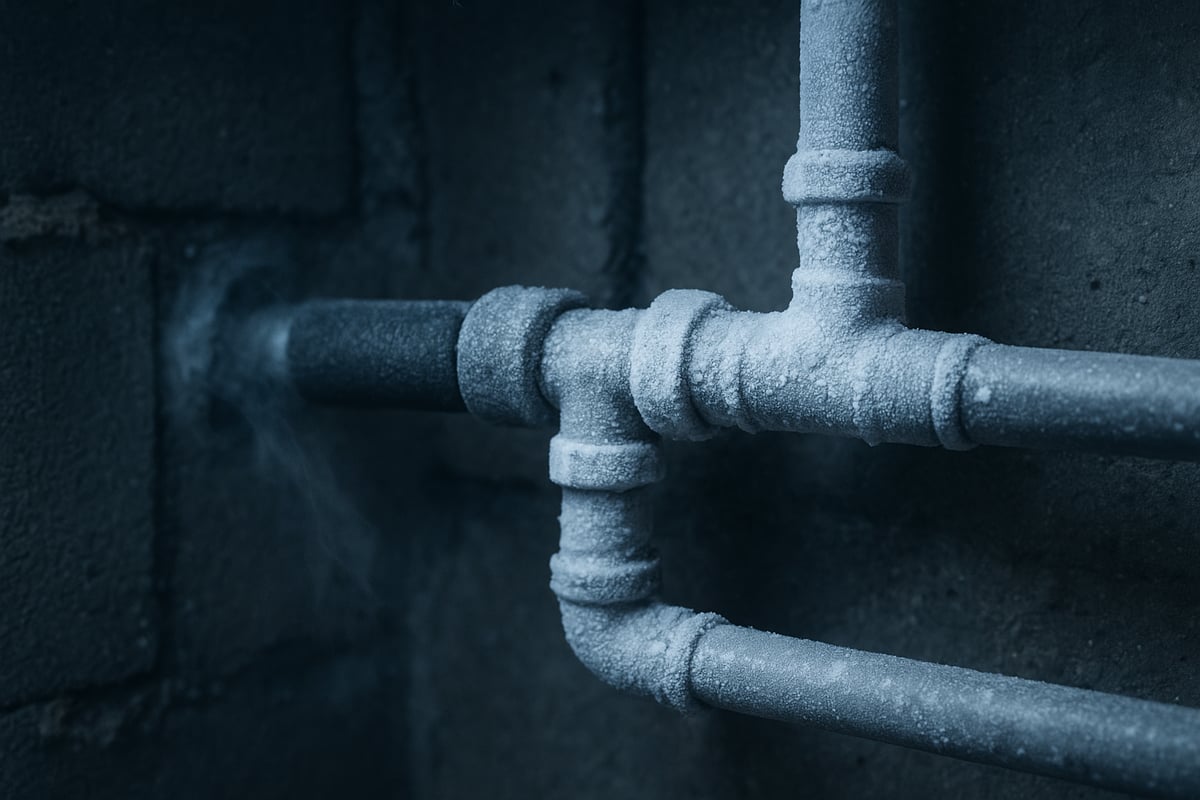
When temperatures plummet, water inside pipes can freeze and expand, building pressure until the pipe bursts. The most vulnerable spots include attics, basements, crawl spaces, and exterior walls — places where insulation is often lacking. Pipes typically begin to freeze at 20°F (-6°C) or below, but wind chill and small insulation gaps can make freezing possible at higher temperatures.
A dramatic example is the 2021 Texas freeze, which caused $15 billion in damages from burst pipes. If you want a deeper dive into the mechanics and prevention strategies, check out this detailed guide on Understanding Frozen Pipe Failures. Knowing how to prevent frozen pipes starts with understanding these basic scientific principles.
Common Risk Factors in Homes
Why are some homes hit harder than others? Older plumbing systems, often made from galvanized steel or copper, are more prone to freezing. Poor insulation or exposed pipes, especially in garages or crawl spaces, increase your risk. Gaps, cracks, and unsealed openings let cold air reach your plumbing, while rooms without adequate heating create cold zones.
In fact, 37% of frozen pipe incidents happen in homes over 30 years old. Learning how to prevent frozen pipes means addressing these vulnerabilities before temperatures drop.
- Outdated pipe materials
- Exposed or poorly insulated pipes
- Unsealed cracks near plumbing
- Inadequate room heating
Potential Consequences of Frozen Pipes
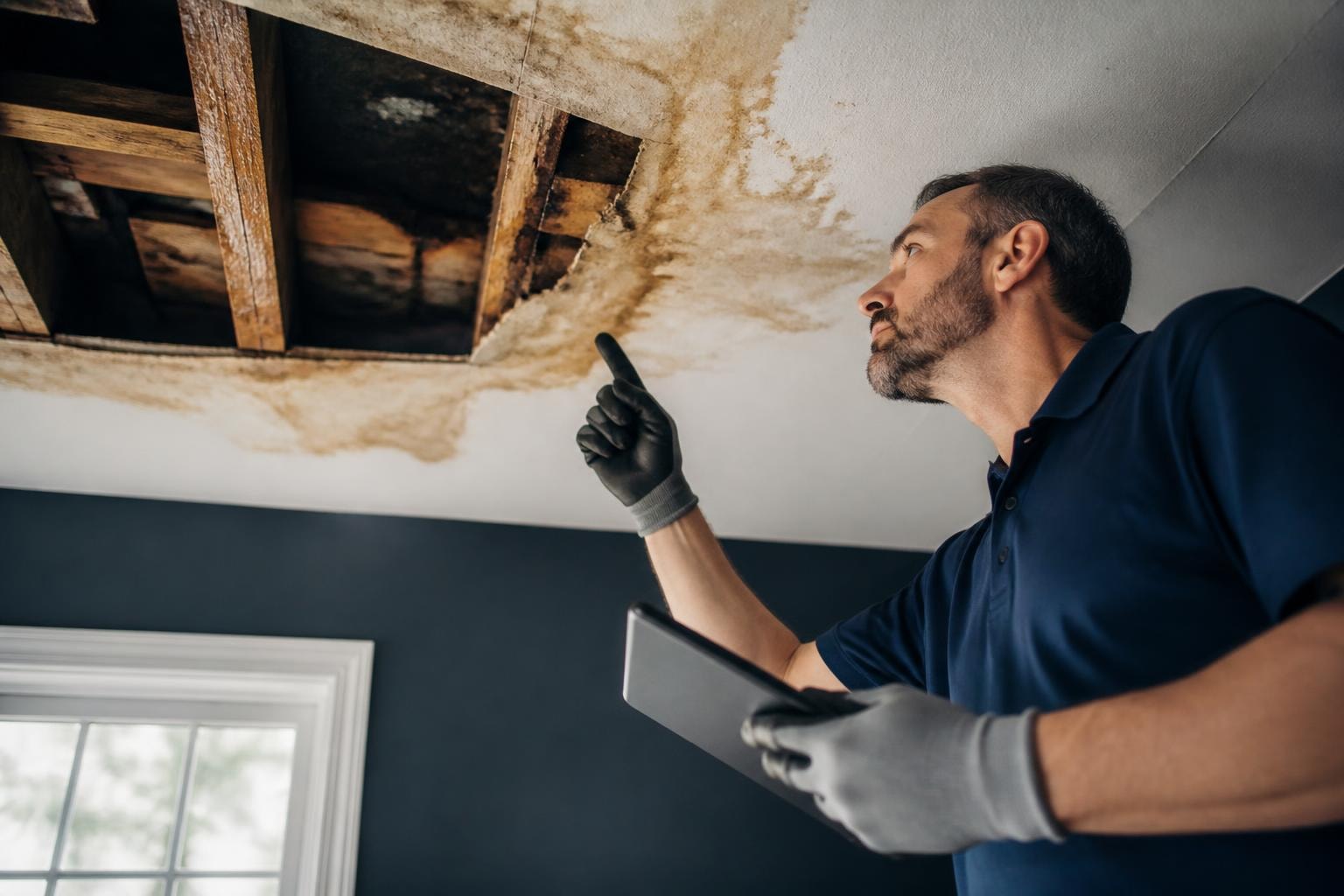
What happens if you don’t know how to prevent frozen pipes? Water leaks, flooding, and mold growth are just the beginning. Structural damage can follow, leading to repairs costing $5,000 to $10,000 on average. Water damage is the second most common homeowner insurance claim, so financial risks are significant.
There are also health concerns: mold and bacteria thrive in damp environments after a pipe bursts. Preventive measures are always less expensive and stressful than dealing with these consequences.
Identifying Your Home’s Vulnerabilities
The first step in how to prevent frozen pipes is a thorough plumbing audit. Check for exposed pipes in basements, attics, and crawl spaces. Use infrared cameras or temperature sensors to spot cold spots that could signal trouble. Look for signs like low water pressure, frost on pipes, or strange odors that could indicate a frozen section.
Create a winterization checklist:
- Inspect and insulate exposed pipes
- Seal gaps and cracks near plumbing
- Monitor temperature in unheated areas
- Schedule professional inspections if unsure
Proactive inspection is your best defense.
Step-by-Step Guide to Preventing Frozen Pipes
Protecting your home starts with proactive measures. This step-by-step guide explains how to prevent frozen pipes using proven techniques tailored for 2025. By following each step closely, you’ll reduce risk, save on repairs, and enjoy peace of mind throughout winter.

Step 1: Insulate Exposed Pipes
The first step in how to prevent frozen pipes is insulating any exposed plumbing. Focus on garages, basements, attics, crawl spaces, and pipes along exterior walls. Insulation options include foam sleeves, fiberglass wrap, and heat tape, all effective for different needs.
Here’s a quick cost comparison:
Insulation Type Avg. Cost/Foot DIY Friendly
Foam Sleeve $0.50 Yes
Fiberglass Wrap $1.00 Yes
Heat Tape $1.50–$3.00 Some
DIY installation suits most homeowners, but professionals can help with hard-to-reach areas. For more detailed insulation strategies, check out Frozen Pipe Prevention Tips.
Step 2: Seal Gaps and Cracks
Another essential part of how to prevent frozen pipes involves sealing gaps and cracks that let cold air near your plumbing. Inspect windows, walls, and foundations for drafts or visible openings. Use these materials:
- Caulk for small cracks
- Spray foam for larger spaces
- Weatherstripping around doors and windows
Sealing these gaps not only protects pipes, it also saves energy and lowers heating bills. An energy audit can help you find hidden leaks, especially near plumbing entry points. Addressing these vulnerabilities early is a smart investment.
Step 3: Maintain Consistent Indoor Temperatures
Consistent indoor temperatures are crucial when considering how to prevent frozen pipes. Always keep your thermostat set to at least 55°F (13°C), even when you’re away. Sudden drops in temperature dramatically increase the risk of freezing.
Smart thermostats make it easy to monitor and adjust your home’s temperature remotely. They provide alerts for sudden changes, helping you act quickly. Studies show that homes equipped with smart thermostats are 30 percent less likely to experience frozen pipes.
Step 4: Keep Water Flowing During Extreme Cold
A simple way for how to prevent frozen pipes is to keep water moving. Letting faucets drip slightly in unheated spaces or along exterior walls helps prevent freezing by maintaining water flow. Focus on vulnerable pipes in basements, garages, and kitchens.
Be mindful of water conservation, but a slow trickle can be the difference between a minor inconvenience and a major disaster. During recent cold snaps, neighborhoods that adopted this tip saw far fewer pipe bursts, highlighting its effectiveness.
Step 5: Open Cabinets and Interior Doors
Good airflow is another tip on how to prevent frozen pipes. Open cabinet doors under sinks and vanities, especially those located near exterior walls. This allows warm air to circulate around the pipes, reducing freeze risk.
Remember to move hazardous cleaners and chemicals out of reach of children and pets when cabinets are open. One homeowner shared, “Leaving cabinets open each night became a simple habit that protected our pipes all winter.”
Step 6: Drain and Disconnect Outdoor Plumbing
Outdoor plumbing is highly vulnerable, so it’s critical for how to prevent frozen pipes. Drain garden hoses, sprinkler systems, and exterior faucets before the first freeze. Attach insulated faucet covers for added protection.
If you have an irrigation system, follow the manufacturer’s winterization instructions or hire a professional. Many homeowners make the mistake of leaving hoses connected, which can lead to costly bursts when temperatures drop.
Step 7: Upgrade to Freeze-Resistant Plumbing Solutions
Long-term solutions are the final step in how to prevent frozen pipes. Modernize your home with PEX piping, which is more flexible and freeze-resistant than copper or steel. Install frost-proof hose bibs and shut-off valves for outdoor fixtures.
Though upgrades require an upfront investment, they pay off by reducing maintenance and repair costs. Studies show PEX pipes cut freeze-related failures by up to 60 percent, making this a smart move for any homeowner.
Smart Home Upgrades and Technologies for Pipe Protection
Ready to take your winter preparation to the next level? Modern technology offers homeowners powerful tools for how to prevent frozen pipes, blending convenience with peace of mind. With smart gadgets and professional upgrades, you can keep your plumbing protected and avoid costly surprises.
Installing Pipe Freeze Alarms and Sensors
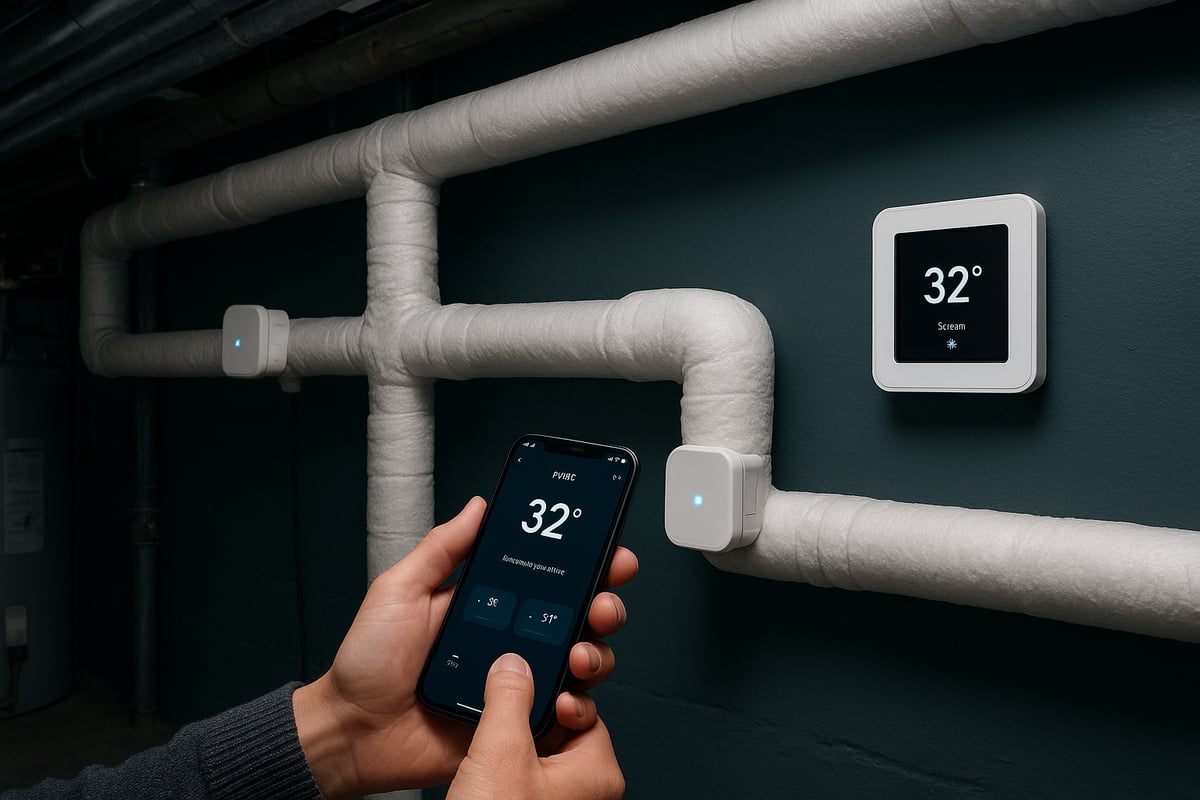
One of the smartest ways to learn how to prevent frozen pipes is by installing pipe freeze alarms and sensors. These devices monitor the temperature around your plumbing and alert you if it drops into the danger zone. Options include Wi-Fi, Bluetooth, or cellular freeze alarms, letting you choose the best fit for your home setup.
Many top-rated brands offer sensors that integrate seamlessly with home security and automation systems. If you want to explore actionable strategies and real-life scenarios, check out Preventing Frozen Pipes in Housing for additional tips. With early warnings, you can react quickly and stop a disaster before it starts.
Smart Thermostats and Remote Monitoring
Smart thermostats are a game changer for anyone wanting to know how to prevent frozen pipes. These high-tech devices allow you to set minimum temperature thresholds, receive mobile alerts, and control your home’s climate from anywhere.
If you travel often or own a second property, remote monitoring means you never have to guess what’s happening inside your walls. Studies show households using smart thermostats experience 35 percent fewer freeze incidents. This boost in efficiency not only keeps pipes safe but can lower your energy bills as well.
Heat Cables and Automatic Heating Systems
Heat cables are another essential tool in your toolkit for how to prevent frozen pipes. These cables wrap around vulnerable pipes and provide gentle, consistent warmth during cold snaps. Automatic shut-off features ensure cables only activate when needed, saving energy and reducing fire risk.
Installation can be DIY for accessible pipes, but professional help is recommended for complex layouts. Leading systems offer flexibility and safety, with built-in thermostats for optimal performance. Comparing brands, look for UL-listed products and user-friendly controls for the best results.
Professional Winterization Services
Sometimes, the most reliable method for how to prevent frozen pipes is to call in the experts. Professional winterization services typically include a thorough inspection, insulation upgrades, draining outdoor plumbing, and identifying hidden vulnerabilities.
Annual maintenance packages can cost anywhere from $150 to $500, depending on your home’s size and needs. Professionals use specialized tools to spot risks you might miss, ensuring your plumbing is ready for the harshest winter. An expert’s eye can help you avoid unexpected emergencies and costly repairs.
Energy Efficiency and Rebates for Upgrades
Upgrading your home’s insulation and smart technology is not just about how to prevent frozen pipes, it’s also a smart move for your wallet. Local and federal programs often provide rebates or tax credits for energy-efficient upgrades, including pipe insulation and smart thermostats.
To get started, check with your utility company or local government for current incentives. Many homeowners report significant savings on both freeze prevention and energy bills after these upgrades. When applying for rebates, keep detailed records of your purchases and installation dates for a smooth process.
Emergency Steps if You Suspect Frozen Pipes
Winter can catch even the most prepared homeowner off guard. If you suspect frozen pipes, acting quickly and calmly is crucial. Understanding how to prevent frozen pipes, and what to do in an emergency, can save you thousands in repairs and protect your home’s safety.

Recognizing the Signs of Frozen Pipes
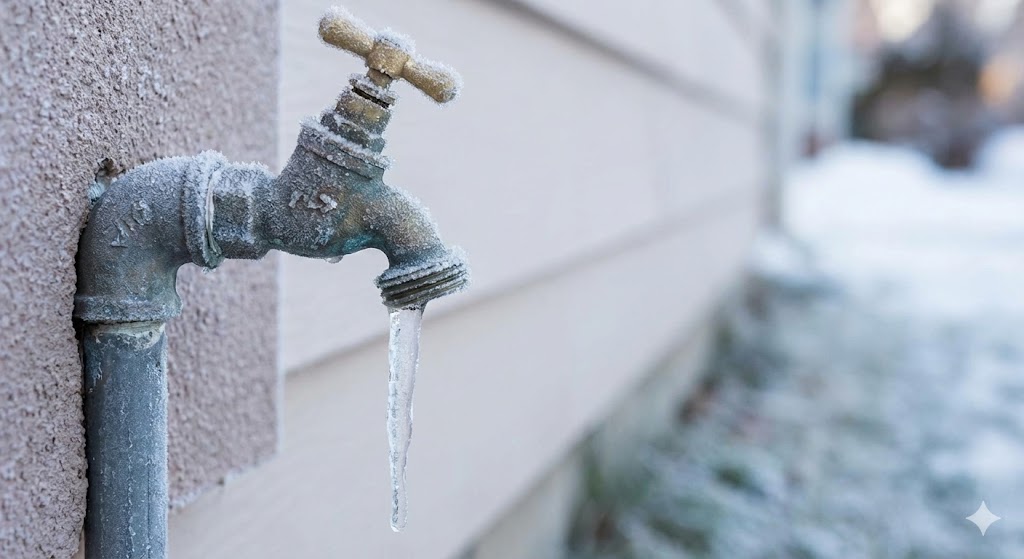
Spotting the early symptoms of frozen pipes is your first line of defense. Common signs include no water flow from faucets, frost or ice buildup on exposed pipe surfaces, and strange gurgling or banging noises when you turn on the tap. Focus on areas along exterior walls, in unheated basements, or crawl spaces, since these are most prone to freezing.
If you notice a sudden drop in water pressure or detect odd odors from your drains, it could signal a blockage from ice. These warning signals are essential for anyone learning how to prevent frozen pipes and avoid costly water damage. During recent winter storms, many homeowners reported catching issues early by simply checking these high-risk spots daily.
Safe Thawing Techniques for Frozen Pipes
If you confirm a pipe is frozen but not burst, it’s time to thaw it safely. Start by turning on the faucet to allow water to flow once the blockage melts. Use a hair dryer, heat lamp, or warm towels to gently warm the frozen section, always moving heat slowly along the pipe. Never use open flames or high-powered heat guns, as these can damage pipes or cause fires.
Place a space heater nearby if needed, but keep it at a safe distance and never leave it unattended. Remember, knowing how to prevent frozen pipes also means understanding how to safely resolve minor freezes without risking further damage. Work patiently and monitor progress, keeping safety your top priority.
What to Do If a Pipe Bursts
If you discover a burst pipe, shut off your main water supply immediately to stop flooding. Next, switch off electricity in the affected area to prevent shocks. Use towels or buckets to contain water and move valuables out of harm’s way. Quick action is vital for limiting water damage and mold growth.
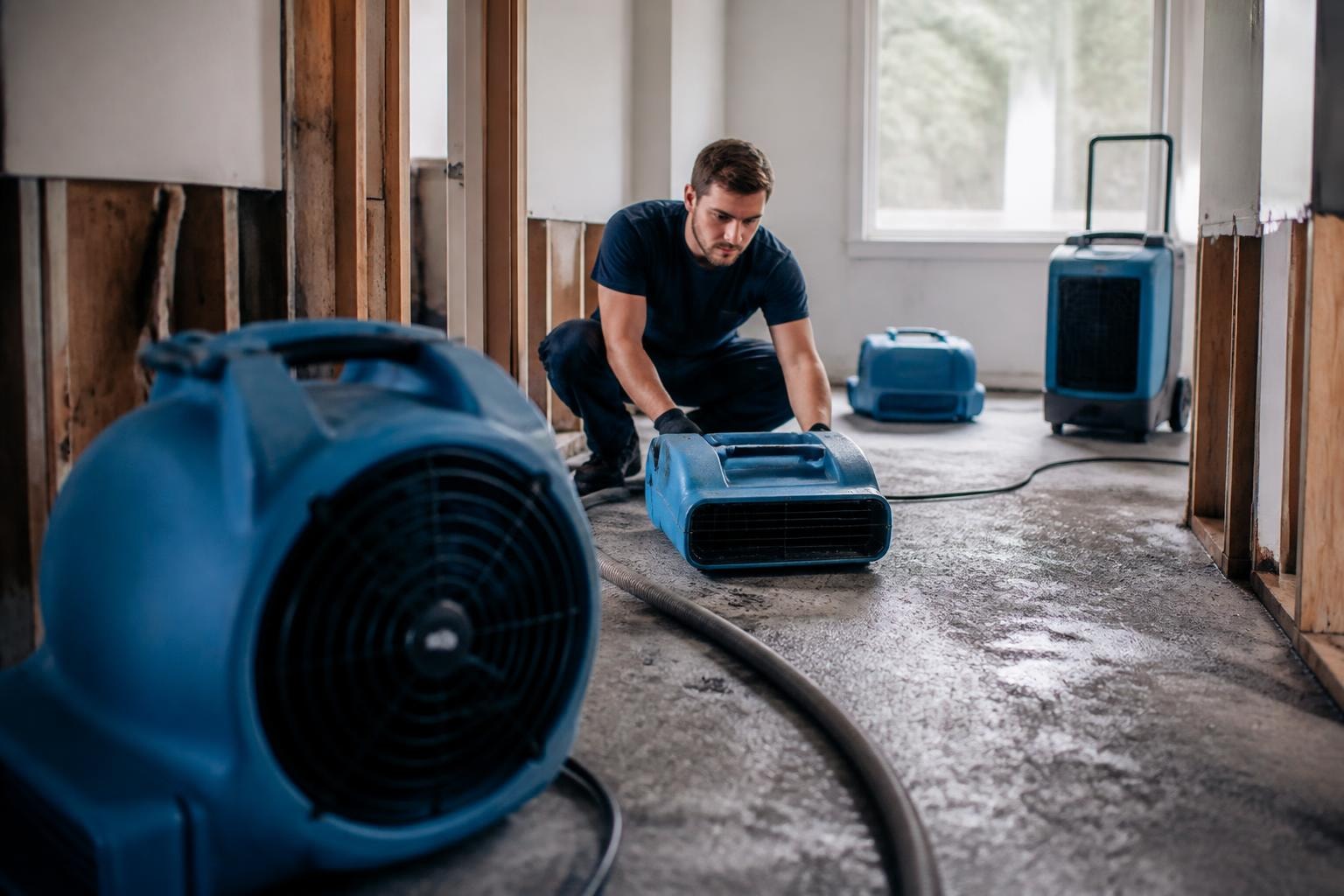
Document the damage with photos and notes for your insurance claim. For severe leaks, contact water damage restoration services to begin cleanup and repairs right away. These steps are crucial for anyone who wants to know how to prevent frozen pipes from causing long-term problems.
When to Call a Professional
Sometimes, DIY solutions aren’t enough. If pipes are hidden behind walls, repeatedly freeze, or you see visible leaks, it’s time to call a professional plumber. Experts have specialized tools and experience to handle complex repairs and extract water safely. Don’t wait too long, as prompt intervention reduces repair costs by up to 40 percent.
Professionals can also advise you on how to prevent frozen pipes in the future. They’ll assess your system for hidden risks and recommend targeted upgrades or repairs. Remember, safety and speed are your best friends during a plumbing emergency.
Preventing Future Freezes After an Incident
After dealing with frozen pipes, take steps to prevent a repeat next winter. Upgrade insulation, seal gaps around plumbing, and consider adding heat sources to vulnerable areas. Schedule a post-incident inspection to catch any lingering issues before the next freeze.
Create a winter emergency checklist that includes regular plumbing audits and emergency contact numbers. Staying proactive with these strategies is the best way to master how to prevent frozen pipes and enjoy peace of mind all season long.
Regional Considerations and Climate Trends for 2025
Every region faces unique challenges when it comes to how to prevent frozen pipes, especially as climate patterns shift. Homeowners who once felt safe from deep freezes are now seeing colder winters and unexpected cold snaps. The increased frequency of polar vortex events means even southern states must pay attention. According to NOAA, there has been a 15% rise in severe winter weather events since 2010. These changing trends expand the list of areas where how to prevent frozen pipes is a top concern, so keeping up with local weather forecasts and preparing early is crucial.
Local Building Codes and Insurance Requirements
Understanding how to prevent frozen pipes means staying informed about local building codes and insurance updates. Many areas now require improved pipe insulation or specific placement to reduce freeze risks. Insurance companies are also updating policies, sometimes increasing premiums or changing coverage for water damage claims. Northern states often have stricter standards than southern ones, but all homeowners should review current regulations. Checking with local authorities helps ensure your home meets the latest requirements and avoids costly surprises after a cold snap.
Preparing for Power Outages During Freezes
Power outages are a major concern when thinking about how to prevent frozen pipes, since heating systems may fail when electricity is lost. Having backup heating sources like generators or battery-powered heaters can keep pipes safe even when the grid goes down. It is also wise to assemble an emergency kit with essentials for plumbing emergencies, such as pipe insulation sleeves, a flashlight, and extra batteries. Reviewing case studies from recent winters shows that being prepared for outages is just as important as insulating pipes in the first place.
Resources for Homeowners in High-Risk Areas
Access to reliable information is vital for anyone learning how to prevent frozen pipes, especially in high-risk regions. Local governments and utility companies often provide alerts, winterization programs, and community resources. For tailored advice and seasonal checklists, visit Property owner resources for winter, which offers practical guidance on preparing your property. Renters and landlords in multi-unit buildings should also coordinate winter prep, ensuring everyone knows the steps to protect pipes and prevent costly damage.
Now that you know the risks frozen pipes pose and all the steps you can take to protect your home, you might still have questions or need a little extra help—especially when it comes to finding hidden vulnerabilities or handling tricky winterization projects. That’s where having a trusted local expert makes all the difference. If you want peace of mind before the next cold snap or need support with disaster restoration, let’s talk. We’re here to help you safeguard your home so you can stay warm and worry free all winter. Contact Us