Dishwasher Overflow: Causes, Prevention & Emergency Response
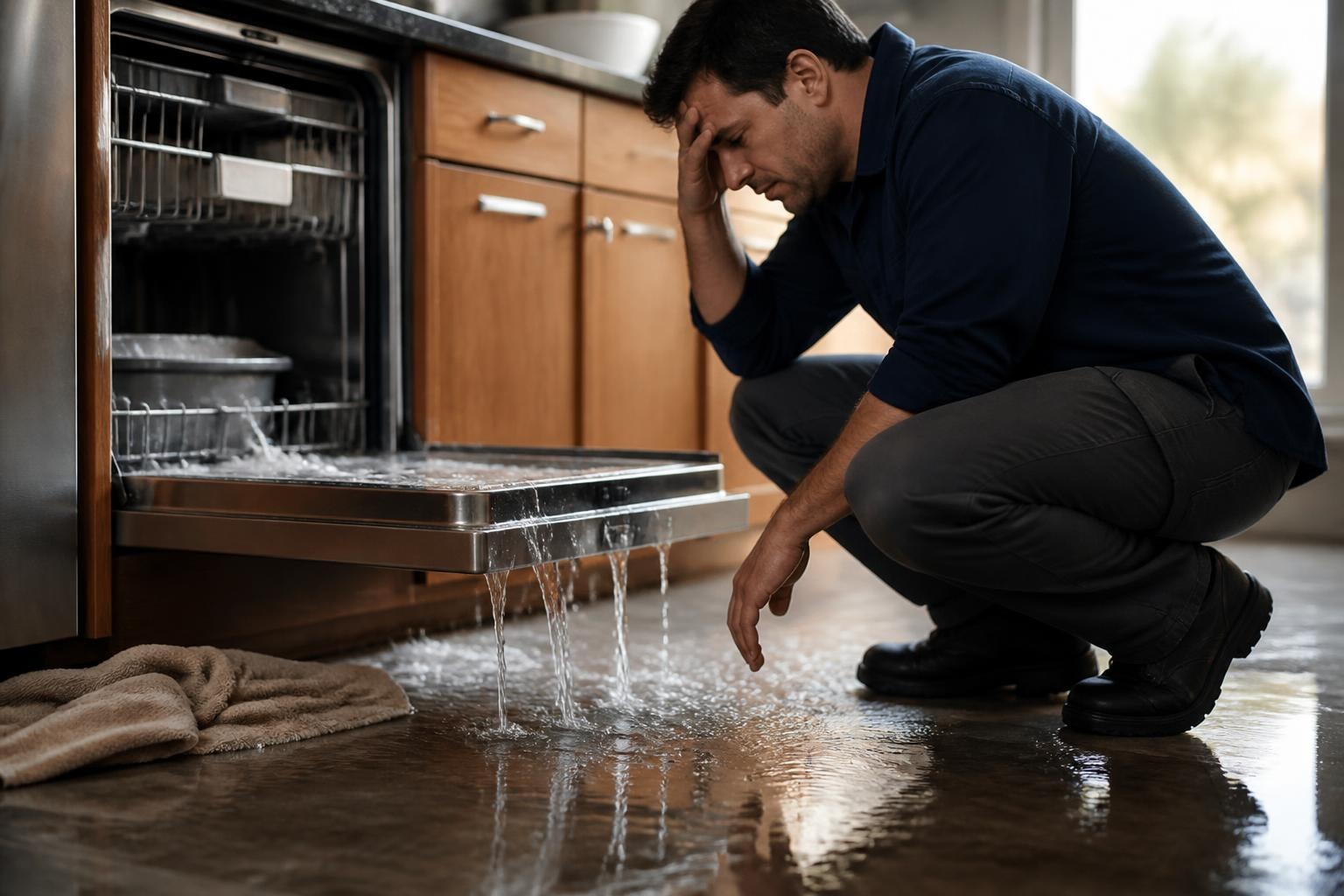
A dishwasher overflow can transform a routine evening cleanup into a water damage emergency within minutes. Whether it's a steady leak or a sudden flood spreading across your kitchen floor, the consequences can extend far beyond the immediate mess. Water damage from appliance malfunctions affects thousands of homeowners annually, leading to flooring damage, cabinet deterioration, and potentially serious mold growth if not addressed promptly. Understanding the causes, prevention strategies, and proper response procedures can save you significant time, money, and stress while protecting your property from extensive damage.
Understanding Why Dishwashers Overflow
Dishwasher overflow incidents rarely happen without warning signs. Most overflows result from a combination of mechanical failures, maintenance neglect, or improper usage patterns that develop over time.
Common Mechanical Failures
The drain system represents the most vulnerable component in dishwasher operations. A clogged drain hose, faulty float switch, or malfunctioning drain pump can each trigger overflow conditions. The float switch, which monitors internal water levels, may stick in the down position, allowing water to continue filling past safe levels. Similarly, a blocked air gap, when present, prevents proper drainage and forces water back into the dishwasher tub.
Key mechanical causes include:
According to troubleshooting guidance for dishwasher overflow problems, immediate action becomes critical once water begins pooling on your floor.
User-Related Contributing Factors
Homeowner habits significantly influence overflow risk. Excessive detergent creates thick suds that interfere with normal drainage patterns and sensor function. Using regular dish soap instead of dishwasher-specific detergent generates massive foam buildup that overflows the tub. Overloading dishes blocks spray arms and prevents proper water circulation, while large food particles clog filters and drain assemblies.
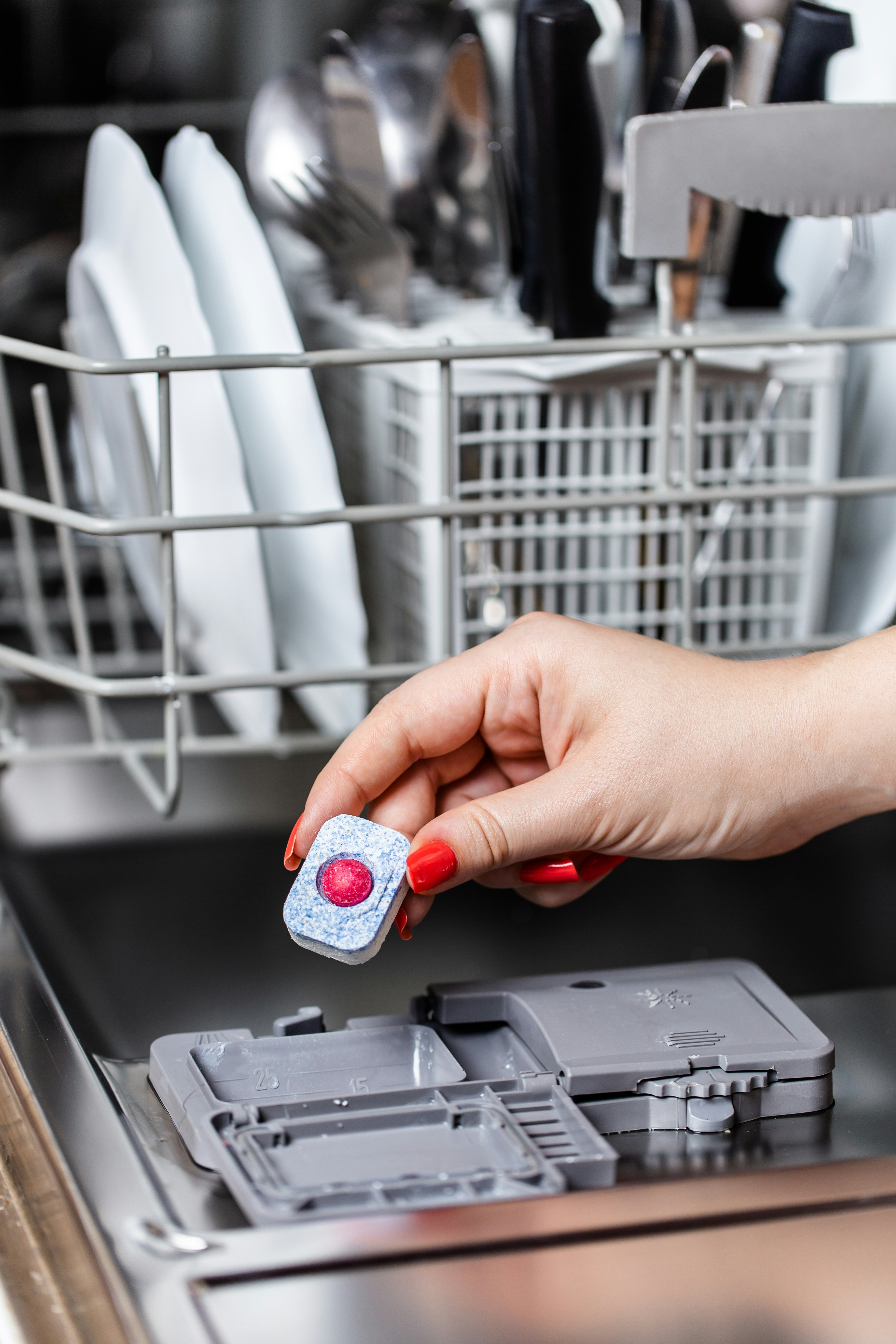
The type of detergent matters considerably. Modern high-efficiency dishwashers require specific low-sudsing formulas. Traditional powders or liquids designed for older models produce excessive foam in newer machines, creating pressure that forces water past seals and gaskets.
Immediate Steps When Overflow Occurs
Quick response minimizes water damage severity. The first 24 hours following water exposure prove critical for preventing permanent damage and mold development, similar to other water damage restoration scenarios.
Emergency Shutdown Procedures
Follow this sequence immediately:
Never step in standing water while the dishwasher remains plugged in. Electrical hazards pose serious risks during appliance flooding incidents. If water has spread extensively or appears deep, cut power at the circuit breaker before approaching the area.
Water Extraction and Initial Cleanup
Once electrical safety is secured, begin water removal immediately. Use towels, mops, and a wet-dry vacuum to extract standing water from floors. Pay special attention to water that has seeped under cabinets, baseboards, or into adjacent rooms. The comprehensive approach to water damage requires addressing both visible water and hidden moisture.
Cleanup PhaseTools NeededPriority LevelSurface water removalTowels, mop, wet-dry vacuumImmediateCabinet interior dryingFans, dehumidifierWithin 2 hoursFloor inspectionMoisture meter, flashlightWithin 4 hoursSubfloor assessmentProfessional inspectionWithin 24 hours
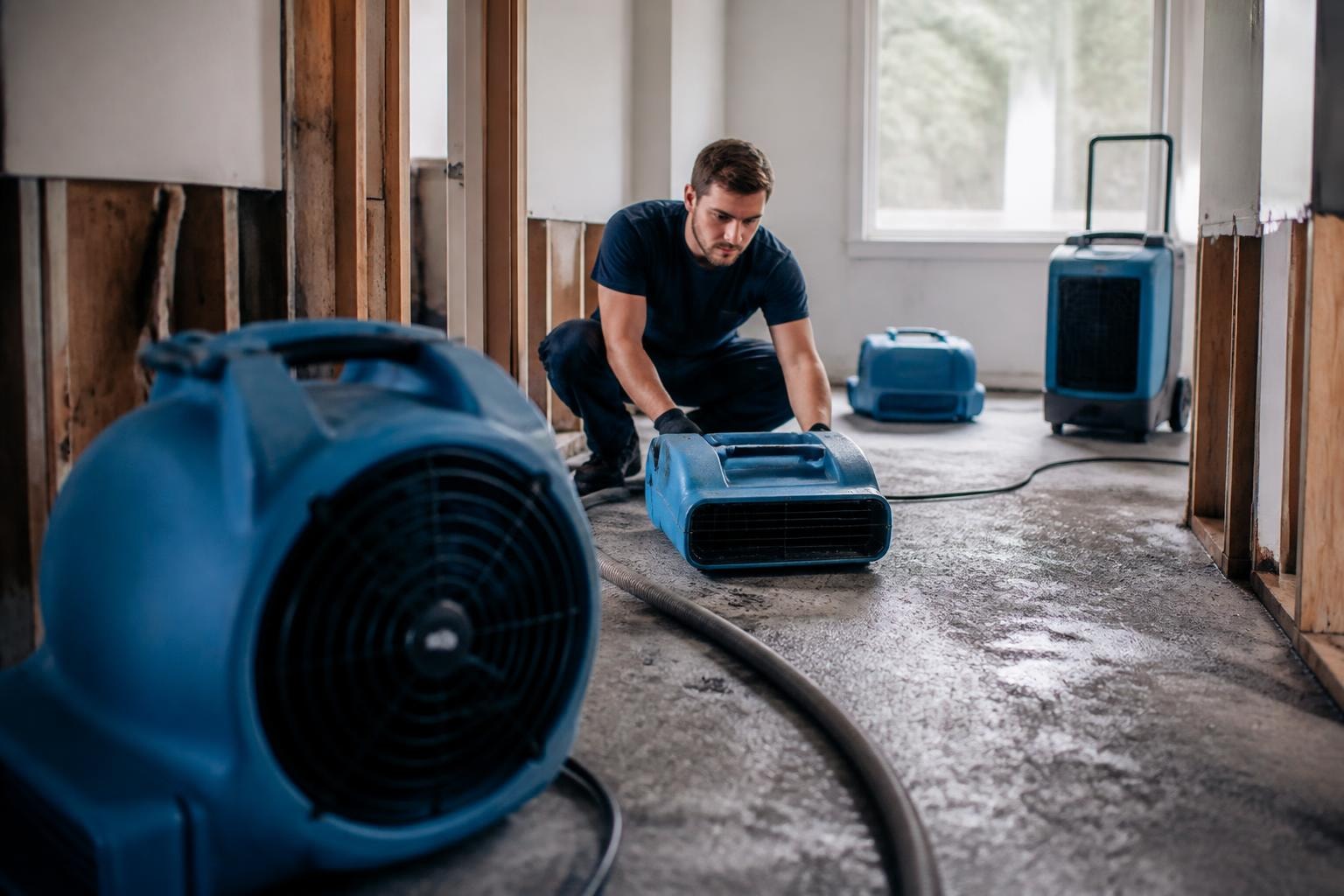
Remove wet rugs, mats, and any items that absorbed water. Position fans to increase air circulation and accelerate drying. Open windows if weather permits to reduce indoor humidity levels. Document the damage with photographs for insurance purposes before beginning extensive cleanup.
Diagnosing the Root Cause
Effective overflow prevention requires identifying why the incident occurred. Multiple factors often combine to create overflow conditions, making thorough investigation essential.
Drain System Inspection
The drain assembly represents the most frequent culprit in dishwasher overflow cases. Start by examining the drain hose connection under the sink. This corrugated hose should loop upward before connecting to the garbage disposal or drain pipe, creating a high loop that prevents backflow. A sagging or improperly installed drain hose allows wastewater from the sink to flow backward into the dishwasher.
Check the air gap, if your installation includes one. This chrome cylinder on the sink or countertop prevents contaminated water from siphoning back into the dishwasher. Understanding air gap overflow mechanisms helps homeowners address this common issue. Remove the air gap cap and clean any debris blocking the internal passages.
Filter and Pump Assessment
Modern dishwashers contain removable filters that trap food particles before they reach the drain pump. These filters require regular cleaning, typically every one to two weeks with normal use. A clogged filter forces water to back up into the tub rather than draining properly.
Filter maintenance checklist:
The drain pump itself may fail mechanically or become blocked by foreign objects. Listen for unusual grinding noises during drain cycles, which indicate pump problems. Professional inspection becomes necessary when pumps show signs of motor failure or persistent blockages.

Prevention Strategies for Long-Term Protection
Proactive maintenance prevents most dishwasher overflow incidents. Implementing regular care routines protects your appliance investment and reduces water damage risks substantially.
Routine Maintenance Schedule
Monthly filter cleaning represents the single most effective prevention measure. Beyond filters, inspect door gaskets quarterly for cracks, warping, or loss of flexibility. These rubber seals deteriorate over time, especially in hard water areas where mineral deposits accumulate along the gasket surface.
The Appliance Mastery guide on preventing dishwasher overflow emphasizes consistent maintenance habits as the foundation of appliance longevity. Run the garbage disposal before starting the dishwasher to clear the shared drain line. This simple habit prevents sink debris from backing up into the dishwasher drain.
Every six months, inspect the drain hose for kinks, cracks, or loose connections. Verify that the high loop remains properly secured and positioned above the connection point. Check under the dishwasher for signs of previous leaks, including water stains, mineral deposits, or warped flooring.
Proper Usage Practices
Detergent selection and quantity directly impact overflow risk. Use only dishwasher-specific detergent formulated for your machine type. High-efficiency models require HE-rated products that produce minimal suds. Follow dosage recommendations precisely, as too much detergent creates the same problems as using the wrong type.
Detergent TypeSuds LevelOverflow RiskBest ForHE TabletsVery LowMinimalModern dishwashersStandard PowderMediumModerateOlder modelsLiquid GelLow-MediumLowMost machinesRegular Dish SoapExtremely HighSevereNever use
Pre-rinse dishes to remove large food particles, but avoid excessive rinsing that removes the soil sensors need to determine cycle intensity. Load dishes according to manufacturer guidelines, ensuring spray arms rotate freely and water reaches all surfaces. Place larger items on the bottom rack and angle them to promote proper drainage rather than water pooling.
When Professional Help Becomes Necessary
Some dishwasher overflow situations exceed DIY repair capabilities. Recognizing when to contact professionals prevents additional damage and ensures proper resolution.
Signs You Need Restoration Services
Water that has spread beyond the kitchen, penetrated flooring materials, or remained present for several hours requires professional assessment. The specialized water damage restoration services available through experienced contractors include moisture detection equipment, commercial-grade extraction tools, and structural drying systems that homeowners cannot replicate.
Contact restoration professionals when:
Mold growth can begin within 24 to 48 hours in moisture-rich environments. Dishwasher overflow under cabinets creates ideal conditions for mold colonization in dark, damp spaces. Professional mold remediation services become essential if you notice discoloration, fuzzy growth, or persistent musty smells following an overflow incident.
Appliance Repair Versus Replacement
Determining whether to repair or replace a malfunctioning dishwasher depends on the age, condition, and repair cost. As a general rule, repairs costing more than 50% of replacement value favor purchasing a new unit. Dishwashers older than 10 years approaching significant repair needs typically justify replacement with more efficient models.
Recurring overflow issues despite repairs indicate fundamental problems with the appliance design or installation. Consult with qualified appliance technicians who can assess whether comprehensive fixes for dishwasher overflow will provide lasting solutions or merely delay inevitable replacement.
Understanding Water Damage Progression
Even minor dishwasher overflow events initiate damage processes that worsen over time without proper intervention. Water follows gravity and capillary action, spreading through porous materials and along structural pathways.
Immediate Damage (0-24 Hours)
Initial water exposure affects surface materials first. Wood floors begin swelling at seams and edges. Laminate flooring lifts as moisture penetrates the fiberboard core. Drywall and baseboards wick water upward through capillary action, creating damage that extends inches above the visible water line.
Cabinet bases absorb water rapidly, particularly particleboard construction common in builder-grade installations. This material swells irreversibly once saturated, leading to structural failure, warping, and delamination. Even solid wood cabinets suffer finish damage and joint separation when exposed to standing water.
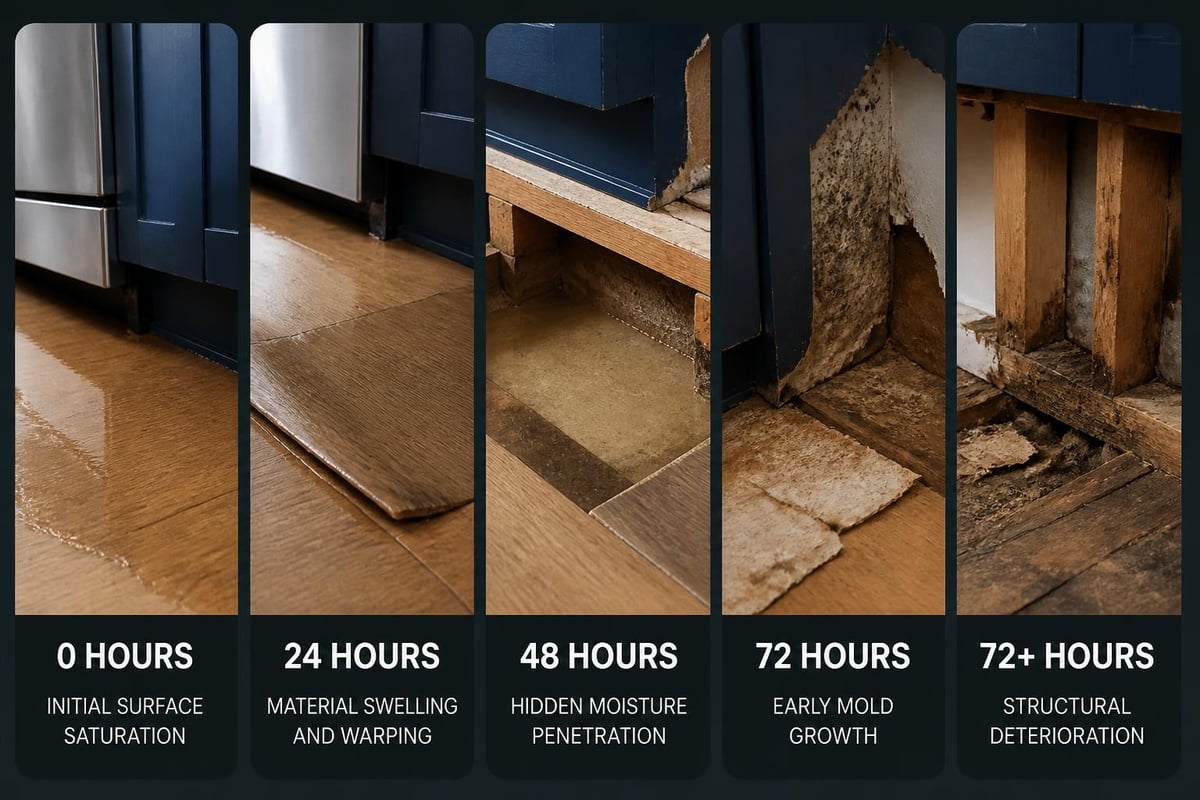
Secondary Damage (24-72 Hours)
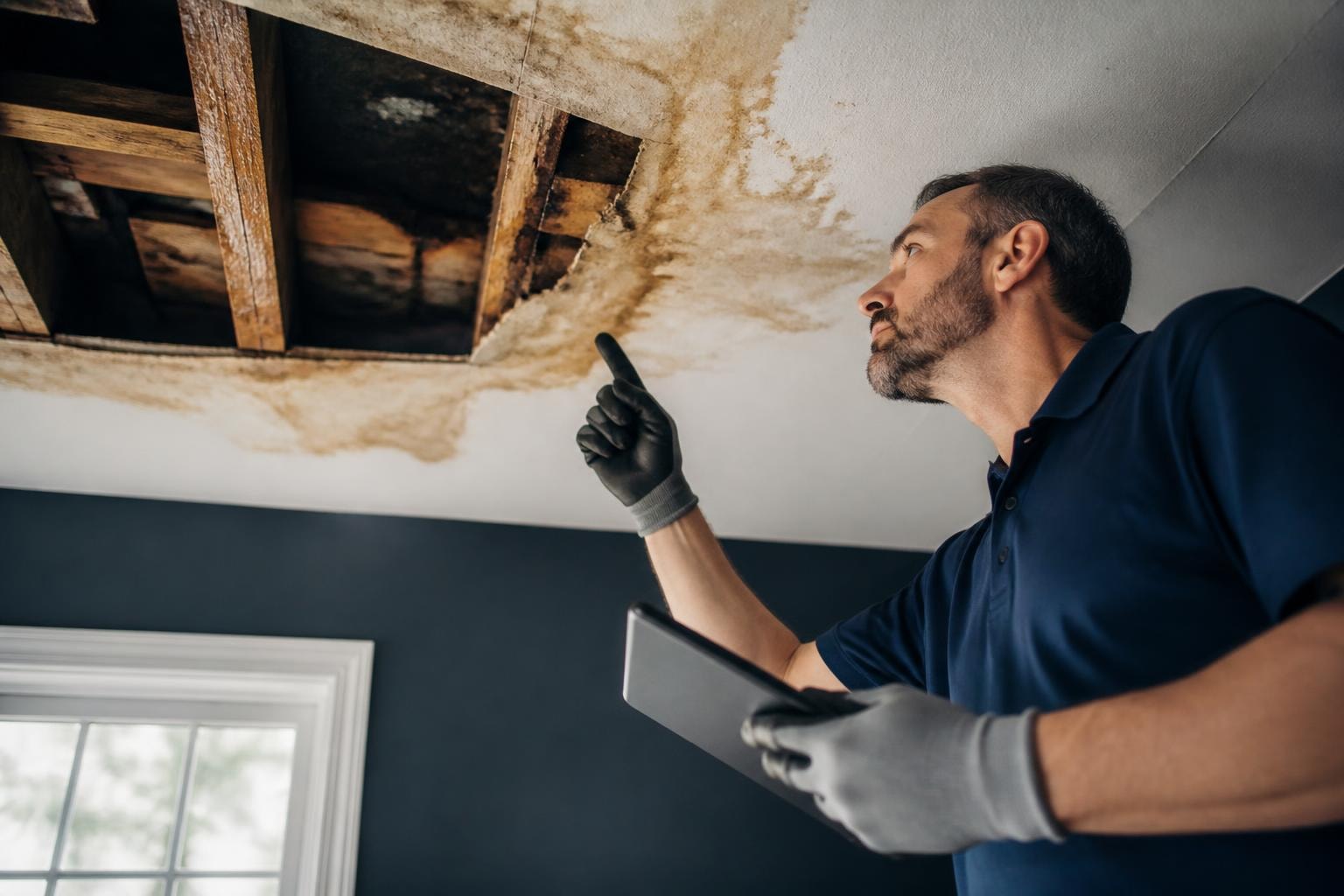
The secondary damage phase introduces biological growth risks and chemical reactions. Mold spores, always present in indoor environments, begin germinating when moisture and organic materials combine. The connection between water damage and mold growth explains why rapid drying proves essential for preventing health hazards.
Metals corrode, electrical systems short circuit, and adhesives fail during this timeframe. Flooring materials that appeared salvageable initially may demonstrate permanent damage as trapped moisture continues affecting structural integrity. Subfloor damage becomes evident through soft spots, discoloration, or sagging visible from below.
Insurance Considerations and Documentation
Dishwasher overflow typically falls under homeowner's insurance coverage, though policy specifics vary. Understanding coverage parameters and documentation requirements streamlines the claims process.
Coverage Scope and Limitations
Most standard homeowner policies cover sudden and accidental water damage from appliance malfunctions. However, damage resulting from lack of maintenance or gradual deterioration may face claim denials. Insurers differentiate between catastrophic failure and predictable wear-and-tear situations.
Review your policy's water damage provisions carefully. Some insurers exclude certain types of appliance-related water damage or impose sublimits lower than standard coverage amounts. Deductibles apply to all claims, so minor overflow incidents costing less than your deductible amount result in out-of-pocket expenses.
Effective Documentation Practices
Photograph everything before beginning cleanup. Capture wide-angle shots showing overall damage extent and close-ups of specific affected areas. Document water levels, damaged items, and appliance conditions. Save all receipts for emergency supplies, repair services, and replacement materials.
Essential documentation includes:
Professional restoration companies provide detailed moisture mapping and damage assessments that support insurance claims. Their documentation follows industry standards that adjusters recognize and accept, often expediting approval processes compared to homeowner-prepared estimates.
Regional Considerations for Pacific Northwest Homes
Properties in the Walla Walla Valley and surrounding Oregon areas face unique challenges regarding water damage from dishwasher overflow incidents. Local climate conditions, construction practices, and water characteristics influence both damage severity and restoration requirements.
Hard Water Impact on Appliances
The Pacific Northwest experiences varying water hardness levels depending on specific location and water source. Hard water accelerates mineral buildup in dishwasher components, increasing overflow risk through restricted drain passages, clogged spray arms, and premature seal deterioration. Regular descaling treatments and water softener systems help mitigate these effects.
Mineral deposits create rough surfaces on gaskets and seals that prevent proper sealing. White crusty buildup around door edges, on heating elements, or within the tub interior signals hard water problems requiring attention. Annual professional cleaning removes deposits that routine use cannot eliminate.
Seasonal Factors and Emergency Response
Winter months bring additional complications when preventing frozen pipes becomes a priority alongside appliance maintenance. Dishwasher drain lines running through exterior walls or unheated spaces risk freezing, which causes backups and overflow when thawing occurs. Proper insulation and heat tape installation prevent these seasonal challenges.
Spring typically brings increased water damage incidents as flood preparation becomes critical throughout the region. Homes already dealing with elevated groundwater from spring runoff face compounded risks when appliance failures add to existing moisture challenges. Comprehensive property assessments identify vulnerability before problems escalate.
The Cost Factor in Overflow Incidents
Understanding potential expenses helps homeowners budget appropriately and recognize when professional intervention provides value despite upfront costs.
Repair and Restoration Expenses
Simple dishwasher repairs range from $150 to $400 for common issues like drain pump replacement or door seal installation. However, water damage restoration costs associated with overflow cleanup typically exceed appliance repair expenses significantly.
Professional water extraction, structural drying, and moisture remediation services start around $1,000 for minor incidents affecting limited areas. Extensive overflow requiring flooring replacement, cabinet reconstruction, and mold remediation easily reaches $5,000 to $15,000 depending on damage severity and affected square footage.
DIY cleanup saves immediate costs but risks inadequate moisture removal that causes expensive problems later. Hidden moisture in wall cavities, subfloors, or insulation leads to mold growth, structural decay, and indoor air quality issues costing far more to address than initial professional intervention would have required.
Long-Term Value Protection
Prompt, thorough response to dishwasher overflow preserves property value and prevents escalating repair costs. Ignoring minor water damage or attempting insufficient cleanup creates conditions for progressive deterioration affecting larger areas over time. What begins as a localized kitchen floor issue spreads to adjacent rooms, lower levels, and structural components when moisture continues affecting building materials.
Professional restoration establishes documentation proving proper remediation occurred, protecting resale value and preventing future disclosure complications. Comprehensive moisture removal verified through testing equipment provides confidence that hidden damage won't emerge later.
Dishwasher overflow incidents demand immediate attention and thorough response to prevent extensive property damage and costly repairs. Understanding common causes, implementing preventive maintenance, and recognizing when professional help becomes necessary protects your home from escalating water damage scenarios. When appliance failures result in water damage beyond simple cleanup, experienced restoration professionals provide the expertise, equipment, and documentation needed for complete recovery. CORE Restoration offers 24/7 emergency response throughout the Walla Walla Valley and surrounding areas, delivering comprehensive water damage restoration services that protect your property and streamline insurance claims processes.