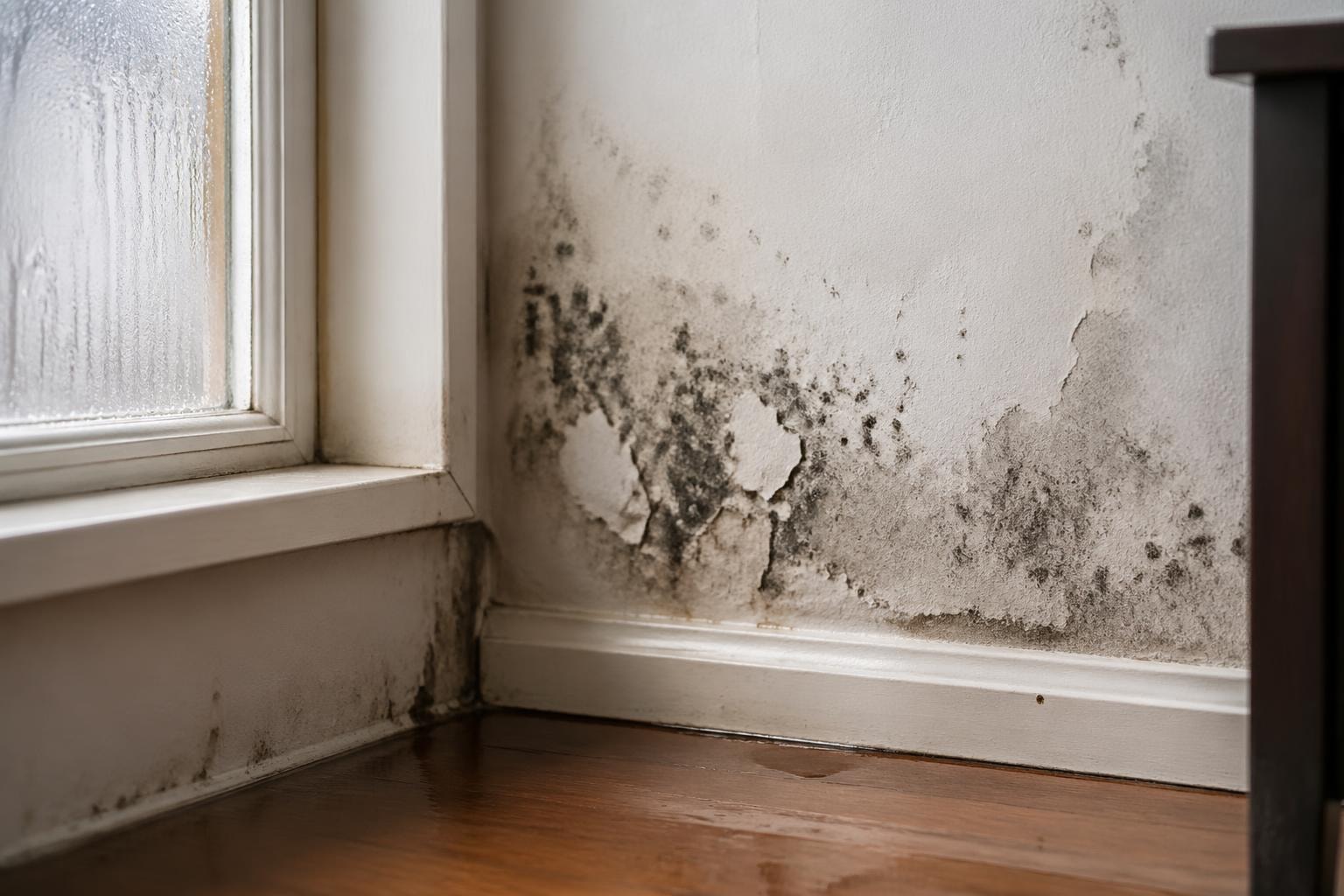
The Ultimate Guide to Mold Clean Up Services in Walla Walla
Did you know that mold can begin to grow in as little as 24 to 48 hours after water intrusion? This rapid growth can threaten both your home and your health, making mold a problem that demands immediate attention.
In this ultimate guide, you'll discover everything you need to know about mold clean up services in 2025. We'll cover the dangers mold poses, how professionals handle clean up, when to consider DIY versus expert help, what to look for in a clean up company, costs, and the latest trends shaping the industry.
Protecting your property and your loved ones starts with understanding the risks. Ready to take control and ensure a safe, healthy environment? Read on and empower yourself with the knowledge to tackle mold before it becomes a bigger problem.
Understanding Mold: Risks, Causes, and Health Effects
Mold is more than just an unsightly nuisance—it’s a persistent invader that can quickly take over your home or business. Understanding the basics of mold, why it grows, and the risks it poses is crucial for anyone considering mold clean up services.
What is Mold and Why Does it Grow?
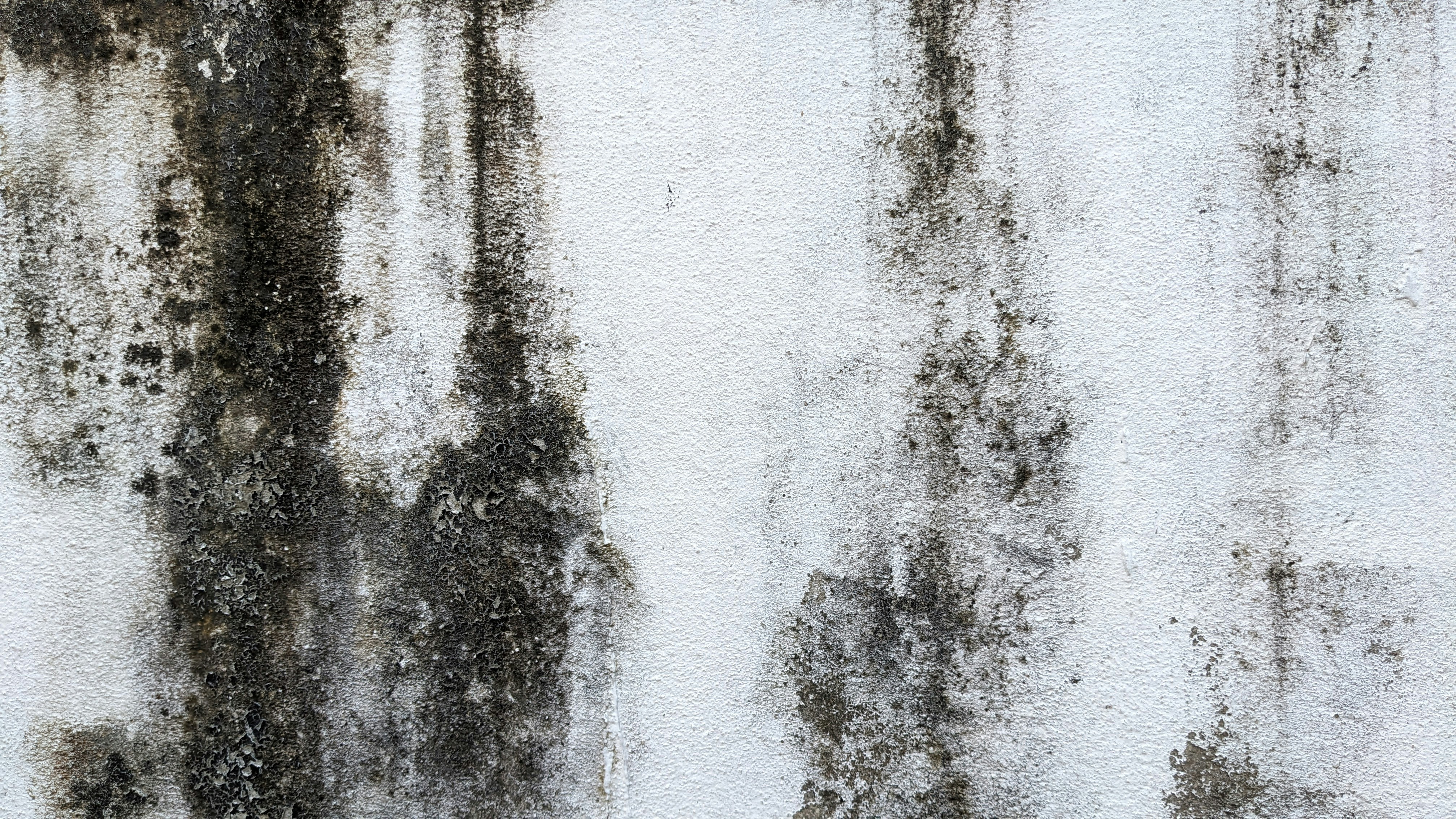
Mold is a type of fungus that thrives in damp, warm environments. The most common household molds include Aspergillus, Penicillium, and the infamous black mold, Stachybotrys chartarum. These molds reproduce by releasing microscopic spores that float through the air and settle on surfaces.
For mold to grow, three main ingredients are required: moisture, warmth, and organic material. Homes provide all of these, especially when there’s a water leak, flooding, or even just high humidity.
Typical causes of indoor mold include:
- Leaky roofs or pipes
- Flooding events
- Poor ventilation in bathrooms or basements
- Condensation on windows and walls
When these conditions are present, mold spores can colonize in as little as 24–48 hours. That’s why prompt action and professional mold clean up services are so important.
Health Risks Associated with Mold Exposure
Exposure to mold can trigger a range of health problems, even in otherwise healthy adults. Short-term effects include allergy-like symptoms, such as sneezing, coughing, runny nose, and skin irritation. For some, especially children, the elderly, or those with weakened immune systems, the effects can be more severe.
Long-term exposure has been linked to asthma development, chronic sinus infections, and even neurological symptoms like headaches and memory problems. According to health impacts of mold exposure, nearly 1 in 5 asthma cases in the U.S. are linked to dampness and mold.
Vulnerable groups face higher risks, making timely mold clean up services even more critical. The CDC and EPA have documented thousands of mold-related health complaints annually, emphasizing the need for awareness and action.
Property Damage and Financial Impact
Mold doesn’t just harm health—it can devastate property. Structural damage is common, as mold eats away at drywall, flooring, insulation, and even wood framing. Over time, this can compromise the integrity of your home, leading to expensive repairs.
The presence of mold can also reduce your property’s value and complicate sales. Insurance claims related to mold damage have spiked in recent years. In 2023–2024, insurers reported a significant rise in claims for mold remediation, with average payouts increasing year over year.
Homeowners who delay seeking mold clean up services often face hidden costs, including replacing damaged materials and addressing lingering odors. Early intervention is the best way to protect both your investment and your health.
The Mold Clean Up Process: Step-by-Step Guide
Understanding how mold clean up services work can make a world of difference when you’re facing a mold problem. A professional approach is methodical, using industry best practices to ensure your property is safe, clean, and mold-free for the long term. Here’s a closer look at the five essential steps every reputable provider follows.
Step 1: Initial Assessment and Mold Inspection
Every journey with mold clean up services begins with a thorough assessment. Professionals use advanced tools like moisture meters and infrared cameras to detect both visible and hidden mold. Air sampling can reveal contamination levels in spaces where mold isn’t easily seen.
This inspection is more than just a visual check. Detailed documentation—including photographs and written reports—is essential for both remediation planning and insurance claims. It’s common for mold clean up services to uncover mold growth behind walls, under flooring, or in HVAC systems. That’s why expert inspection is key to catching the full scope of the problem.
If you’re considering insurance involvement, keep in mind that comprehensive records from mold clean up services can streamline your claim and ensure you’re covered for necessary repairs.
Step 2: Containment and Air Filtration
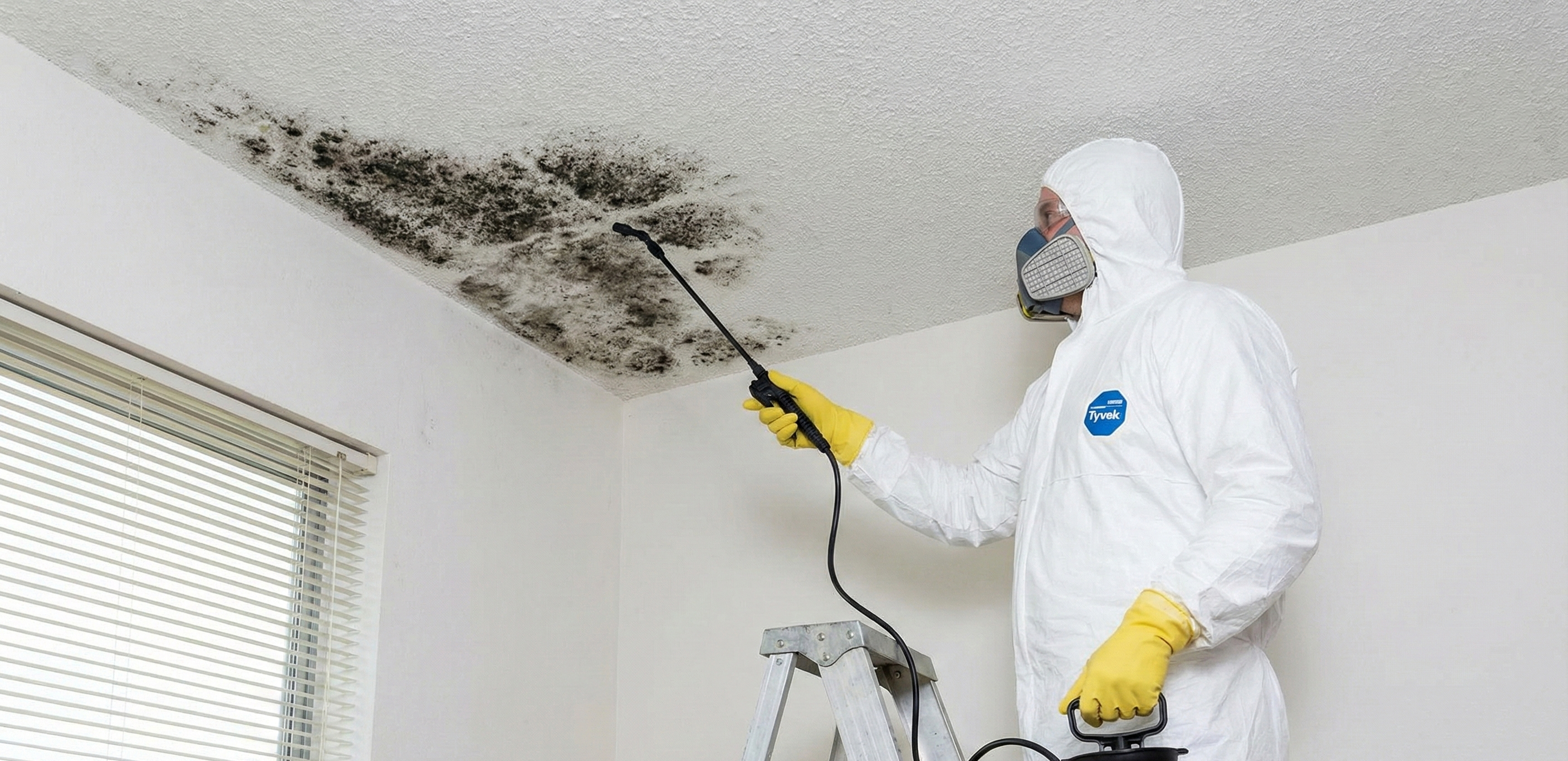
Once the assessment is complete, containment is the next critical step in mold clean up services. Professionals set up plastic sheeting and establish negative air pressure zones to isolate the affected area. This prevents mold spores from traveling into clean sections of your property.
HEPA filtration systems are used to trap airborne particles, significantly reducing cross-contamination risks. If containment isn’t handled properly, mold can quickly spread—sometimes infesting an entire home. In one notable case, poor containment led to thousands in extra remediation costs and extended downtime for homeowners.
Proper containment is a non-negotiable part of effective mold clean up services, protecting both property and occupant health.
Step 3: Removal and Cleaning of Mold-Infested Materials
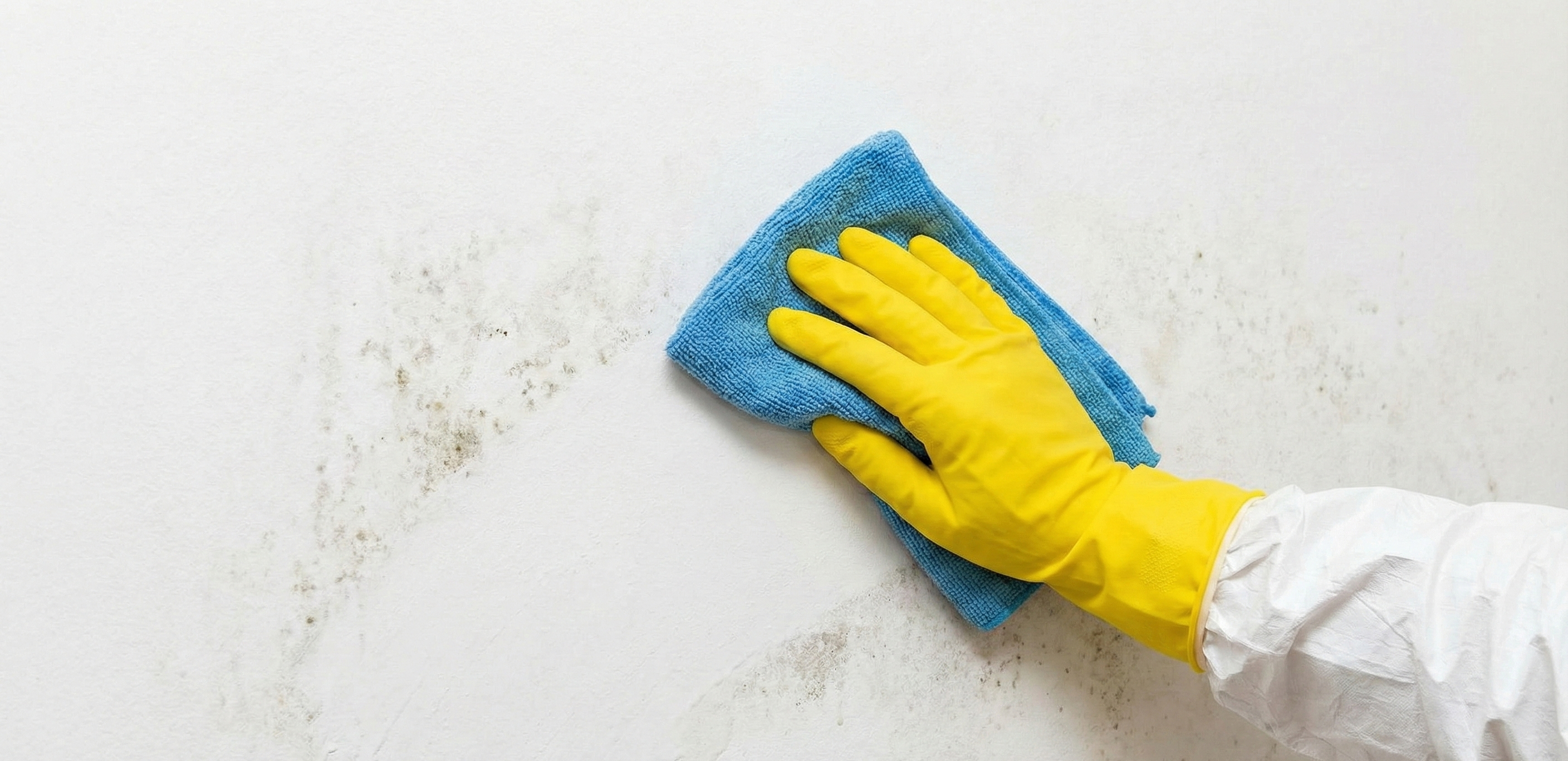
With the area sealed, mold clean up services move to physical removal. Technicians use methods like HEPA vacuuming and antimicrobial treatments to eliminate mold from surfaces. Porous materials—such as drywall, insulation, and carpeting—are often beyond saving and must be disposed of according to EPA guidelines.
Hard surfaces can typically be cleaned and sanitized. The use of industry-grade products and techniques ensures complete removal, reducing the risk of regrowth. For a deeper look at how professionals tackle this phase, check out this professional mold remediation process.
Step 4: Drying and Dehumidification
After removal, the focus shifts to drying and dehumidification. Mold clean up services deploy industrial-grade dehumidifiers and air movers to eliminate lingering moisture. This step is crucial—skipping it can result in mold returning within days or weeks.
Technicians monitor moisture levels with specialized meters, ensuring every nook and cranny is dry. In fact, industry data shows that properties where drying is overlooked are up to 60% more likely to experience mold recurrence.
By maintaining optimal humidity and airflow, mold clean up services create an environment where mold simply can’t thrive.
Step 5: Post-Remediation Verification
The final step in mold clean up services is post-remediation verification. This involves thorough clearance testing, using both air and surface samples to confirm the space is safe. Third-party verification is often recommended, providing unbiased assurance that all mold has been successfully removed.
Only after passing these tests should reconstruction or re-occupancy begin. This added layer of scrutiny gives property owners peace of mind, knowing their mold problem has been resolved according to the highest standards.
Choosing mold clean up services that follow this complete process ensures your property is restored to a healthy, livable state.
DIY vs. Professional Mold Clean Up: Pros, Cons, and When to Hire Experts
Tackling mold in your home can feel overwhelming. Should you handle it yourself or call in the experts? Understanding when DIY is safe—and when mold clean up services are essential—can save you time, money, and protect your health.
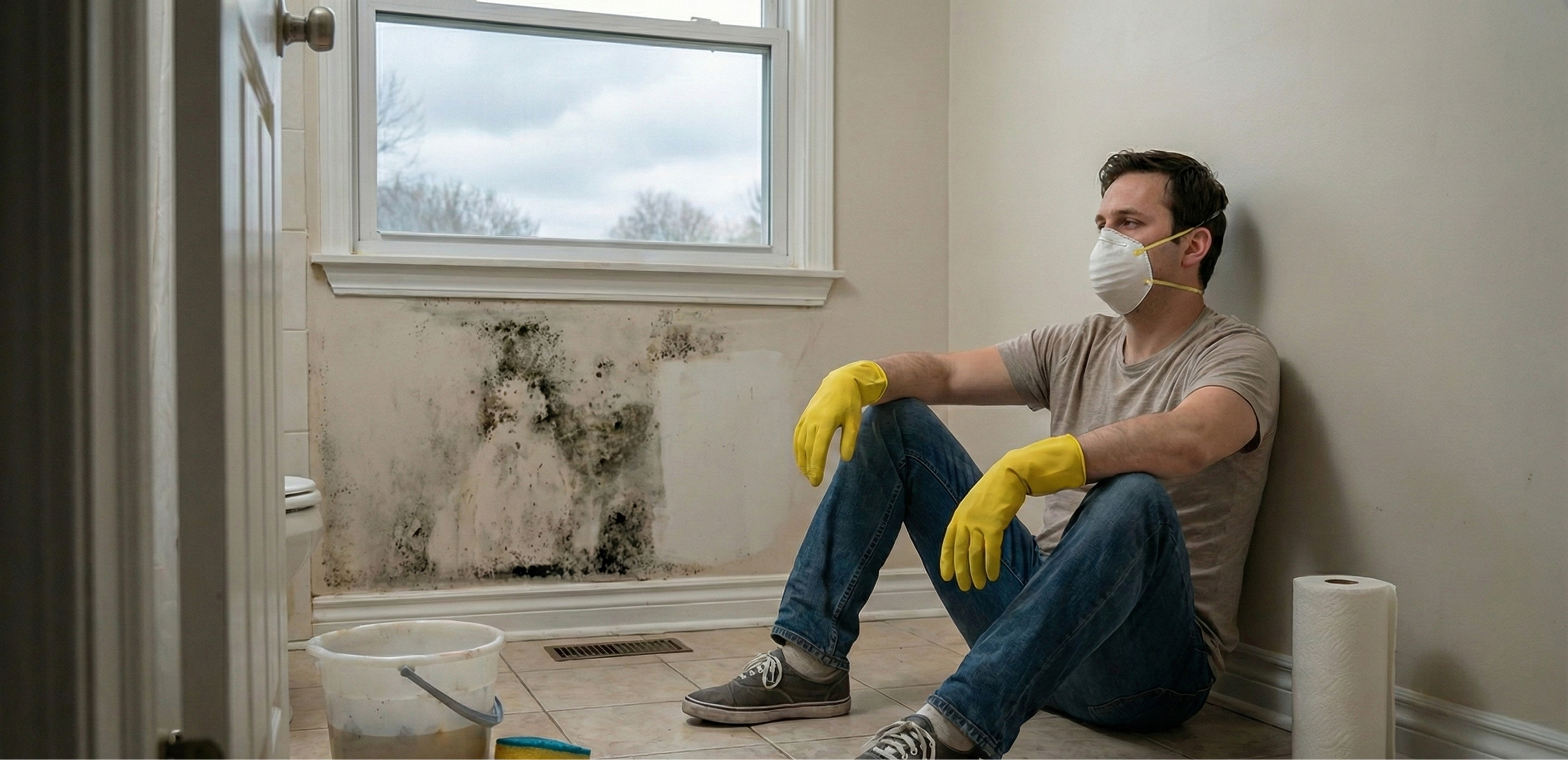
DIY Mold Clean Up: When Is It Safe?
For small mold problems—think areas less than 10 square feet—the EPA gives the green light for a DIY approach. If you spot a little patch in the bathroom or under the sink, you might be able to handle it safely yourself.
Proper protection is key. Always use:
- An N95 respirator mask
- Non-porous gloves
- Safety goggles
Follow strict cleaning protocols and never mix cleaning chemicals. Importantly, only attempt DIY if the affected area is minor, and you’re sure there’s no hidden mold lurking behind walls or under floors. For more on health risks and safe cleanup, check out these mold risks and prevention guidelines.
Even with small jobs, remember: mold clean up services exist for a reason. If you have allergies, asthma, or compromised immunity, or if you spot black mold (Stachybotrys), it’s best to step back and call the pros.
Limitations and Dangers of DIY Approaches
DIY might seem cost-effective, but it comes with real risks. Mold spores are microscopic and can easily spread during cleaning, especially without proper containment. Incomplete removal can leave behind spores, leading to regrowth and ongoing exposure.
Common mistakes include:
- Failing to fully dry the area after cleaning
- Not using HEPA vacuums or proper disposal bags
- Overlooking mold in hidden spaces, like behind drywall
Exposure to mycotoxins and airborne spores can cause serious health issues—not just allergies, but potential respiratory and neurological problems. There are countless stories of homeowners who tried to save money but ended up with recurring infestations and higher long-term costs.
A real-life example: One homeowner attempted DIY mold clean up services after a minor leak, but missed moisture trapped behind a cabinet. Within weeks, mold reappeared, spreading to adjacent rooms. The result? A much larger—and more expensive—professional remediation was needed.
Benefits of Professional Mold Remediation
When it comes to larger infestations or hidden mold, professional mold clean up services are the safest bet. Certified technicians use specialized equipment, like air scrubbers, infrared cameras, and industrial dehumidifiers, to ensure thorough removal.
Key benefits include:
- Comprehensive detection and removal, even in hard-to-reach areas
- Use of HEPA filtration, proper containment, and antimicrobial treatments
- Compliance with insurance requirements and work warranties
Professionals also document every step, which is crucial for insurance claims and peace of mind. According to industry surveys, customer satisfaction and long-term success rates are significantly higher with professional mold clean up services compared to DIY attempts.
In summary, while small jobs may be safe for DIY, don’t underestimate the risks. When in doubt, consult mold clean up services to protect your property and your health.
How to Choose the Right Mold Clean Up Service in 2025
Choosing the right mold clean up services in 2025 is crucial for protecting your home, health, and wallet. With the rise in extreme weather and property risks, making an informed decision can mean the difference between a safe recovery and lingering issues.
Key Qualities to Look For
When evaluating mold clean up services, focus on key credentials and a proven track record. Look for companies with certifications such as IICRC and EPA compliance, as these demonstrate up-to-date knowledge and adherence to industry standards.
- Certifications: IICRC, EPA, and any required state or local licenses.
- Experience: Years in business and a history of successful projects.
- Reputation: Positive reviews, references, and visible testimonials.
- Emergency Response: 24/7 availability for urgent situations.
Don’t hesitate to ask for documentation. Reliable mold clean up services will happily provide proof of training and insurance.
The Importance of Local Expertise
Local expertise matters when it comes to mold clean up services. Professionals familiar with your region understand the area's climate, common construction materials, and specific mold threats.
Regional companies are also knowledgeable about local regulations and insurance requirements. This can streamline the remediation process and help you avoid costly compliance issues.
Choosing mold clean up services with a strong local presence ensures faster response times and personalized solutions tailored to your environment.
Questions to Ask Before Hiring
Before hiring any mold clean up services, prepare a list of questions to vet potential providers. Here are some essentials:
- What is your step-by-step remediation process?
- Do you conduct post-remediation testing?
- Are you fully insured and certified?
- Can you provide recent references?
- How do you handle documentation for insurance claims?
Asking these questions helps you gauge the professionalism and transparency of mold clean up services, ensuring you select a provider you can trust.
Red Flags and Warning Signs
Be vigilant for warning signs when evaluating mold clean up services. Some red flags include:
- Vague or incomplete estimates
- Reluctance to provide documentation
- High-pressure sales tactics or scare tactics
- No proof of insurance or certifications
In 2024, several homeowners fell victim to scams from unlicensed contractors promising quick fixes. Protect yourself by verifying credentials and reading reviews before committing.
CORE Restoration: Trusted Local Mold Remediation Experts
When searching for reputable mold clean up services, CORE Restoration stands out in the Walla Walla Valley and Oregon region. With over 19 years of experience, their IICRC-certified technicians offer 24/7 emergency response and transparent processes.
Local homeowners and businesses praise CORE for their customer-centric approach, clear communication, and seamless insurance coordination. If you need reliable mold clean up services, consider Restoration services in Walla Walla Countyfor proven expertise and peace of mind.
Mold Clean Up Costs, Insurance, and What to Expect Financially
Understanding the financial side of mold clean up services is crucial before you start any remediation project. Costs can vary widely, depending on the size of the problem, the type of mold, and how accessible the affected area is. In this section, we’ll break down typical expenses, what insurance may cover, and how to budget smartly for a mold-free future.
Typical Cost Breakdown
The cost of mold clean up services in 2025 typically ranges from $1,500 to $6,000 or more. The national average often falls around $3,500, but your actual costs depend on several factors:
- Size of the affected area: Smaller jobs (under 100 sq. ft.) are less expensive.
- Type of mold: Some strains, like black mold, require extra precautions.
- Accessibility: Hard-to-reach spaces add to labor and time.
- Severity of contamination: More damage equals higher costs.
Job Size Average Cost Example Scope
Small (10–100 sq. ft.) $1,500–$3,000 Single room, minimal damage
Large (100+ sq. ft.) $4,000–$6,000+ Multiple rooms, severe spread
Water intrusion is a primary cause of mold, so water damage restoration solutions are often the first step before remediation—these costs can add to your total project budget.
Insurance Coverage for Mold Remediation
Homeowners often wonder if mold clean up services are covered by insurance. Generally, insurance policies will cover mold remediation if the cause is a "sudden and accidental" event, such as a burst pipe. Gradual issues or neglect—like long-term humidity or slow leaks—are typically excluded.
Tips for maximizing your claim success:
- Document everything: Take photos, keep receipts, and save reports.
- Work with certified professionals: Insurers often require proof of proper remediation.
- File promptly: Delays can jeopardize your claim.
In 2023, only about 22% of mold-related claims were approved, highlighting the importance of clear documentation and knowing your policy details. If in doubt, contact your insurer before starting any mold clean up services to confirm coverage.
Hidden Costs and Budgeting Tips
Besides the core price for mold clean up services, there are often hidden or unexpected expenses. These may include:
- Replacing drywall, flooring, or insulation
- Cleaning or repairing HVAC systems
- Temporary relocation during major jobs
Always request a detailed, written estimate to avoid surprises. Beware of low-ball quotes that may skip critical steps or use subpar materials. Many reputable companies offer financing or payment plans for larger projects.
For additional guidance, check out resources for property owners to help you navigate estimates, repairs, and ongoing maintenance. Planning for these hidden costs will keep your project—and your budget—on track.
Mold Prevention and Future Trends in Mold Remediation
Staying ahead of mold is more than just reacting to an outbreak—it's about creating a home environment where mold can't take hold. As we look to the future, mold clean up services are evolving rapidly, offering homeowners new ways to safeguard both health and property.
Best Practices for Mold Prevention
Prevention is the first line of defense when it comes to mold clean up services. Keeping your home mold-free requires a proactive approach and a few everyday habits.
- Control Humidity: Keep indoor humidity below 60% with dehumidifiers or air conditioners.
- Inspect Regularly: Check plumbing, roofing, and HVAC systems for leaks or condensation.
- Prompt Repairs: Fix leaks immediately and dry wet areas within 24–48 hours.
- Improve Ventilation: Use exhaust fans in kitchens and bathrooms, and ensure airflow throughout the house.
- Choose Mold-Resistant Materials: When renovating, opt for mold-resistant drywall and paints.
By integrating these best practices, you can reduce the need for frequent mold clean up services. Regular vigilance and quick action after water incidents make the biggest difference. If you’re ever unsure about a potential problem, don't hesitate to consult a professional for peace of mind.
Innovations in Mold Detection and Remediation (2025 Outlook)
The future of mold clean up services is being shaped by technology and eco-friendly solutions. Smart sensors now allow homeowners to monitor moisture levels in real time, sending alerts before mold has a chance to grow.
- Smart Sensors & IoT: Devices track humidity and temperature, giving early warnings of potential mold risks.
- Eco-Friendly Products: Non-toxic, biodegradable treatments are replacing harsh chemicals, protecting both residents and the environment.
- Remote Inspections: Drones and remote cameras make it easier to assess large or hard-to-reach properties.
Cutting-edge advancements—like artificial intelligence that predicts problem areas—are already making waves in the industry. Curious about what's next? Explore more about emerging trends in mold remediation to see how innovation is reshaping the way we approach mold clean up services.
Industry Trends and Regulations
The mold remediation industry is experiencing rapid growth and increasing regulation. As more homeowners recognize the health and property risks posed by mold, demand for certified mold clean up services is soaring.
- Stricter Guidelines: States and the federal government are rolling out tougher standards for remediation practices and technician certification.
- Professional Growth: More professionals are becoming certified, raising the bar for quality and accountability.
- Market Expansion: The global mold remediation market is projected to grow steadily, driven by climate change, severe weather, and increased awareness.
For an in-depth look at growth projections and demand factors, check out this comprehensive mold remediation market analysis. Staying informed helps you choose mold clean up services that meet the latest safety and quality standards.
Resources for Ongoing Mold Management
Managing mold isn’t a one-time event—it’s an ongoing process. Fortunately, there are plenty of resources to help you keep your home safe and healthy.
- Online Tools: The CDC and EPA offer guidelines and checklists for prevention and response.
- Mobile Apps: Use apps to monitor moisture, receive maintenance reminders, and track repairs.
- Local Health Departments: Many offer free or low-cost inspections and educational materials.
- Community Programs: Look for disaster preparedness workshops and emergency response guides in your area.
By leveraging these resources, you can stay ahead of mold problems and know when to call in mold clean up services for expert support. Prevention, innovation, and education are your best allies in the ongoing battle against mold.
Now that you know what’s at stake with mold and how crucial it is to act quickly, you don’t have to tackle it alone. If you’re feeling overwhelmed about where to start, or just want expert help from a team that truly understands the Walla Walla Valley and Oregon area, we’re here for you. With nearly two decades of experience and a focus on your safety and peace of mind, we make the process smooth—from inspection to working with your insurance. Ready to breathe easier in a healthy, mold-free space? Contact Us today to get the conversation started.