Toilet Overflow: Causes, Prevention, and Solutions

A toilet overflow represents one of the most stressful and potentially damaging plumbing emergencies homeowners and business owners face. Within minutes, what starts as a simple plumbing problem can escalate into a significant water damage event affecting floors, walls, baseboards, and even structural components of your property. Understanding the causes, immediate response steps, and long-term prevention strategies can help you minimize damage and know when to call professional restoration experts.
Understanding the Common Causes Behind Toilet Overflows
Multiple factors can trigger a toilet overflow, ranging from simple user errors to complex plumbing system failures. Identifying the root cause is essential for both immediate resolution and preventing future incidents.
Blockages and Clogs
The most frequent culprit behind toilet overflows involves blockages in the toilet trap or drain line. Common causes of toilet overflows include excessive toilet paper, sanitary products, baby wipes marketed as "flushable," cotton swabs, and other foreign objects that don't break down in water.
Items that commonly cause blockages:
- Non-flushable wipes and cleaning products
- Feminine hygiene products
- Cotton balls and swabs
- Paper towels
- Dental floss
- Hair accumulation
- Small toys or objects
Unlike toilet paper, these materials don't disintegrate quickly and can create stubborn clogs that resist simple plunging attempts. Even products labeled as flushable often fail to break down sufficiently before reaching narrower sections of your drainage system.
Sewer Line and Septic System Problems
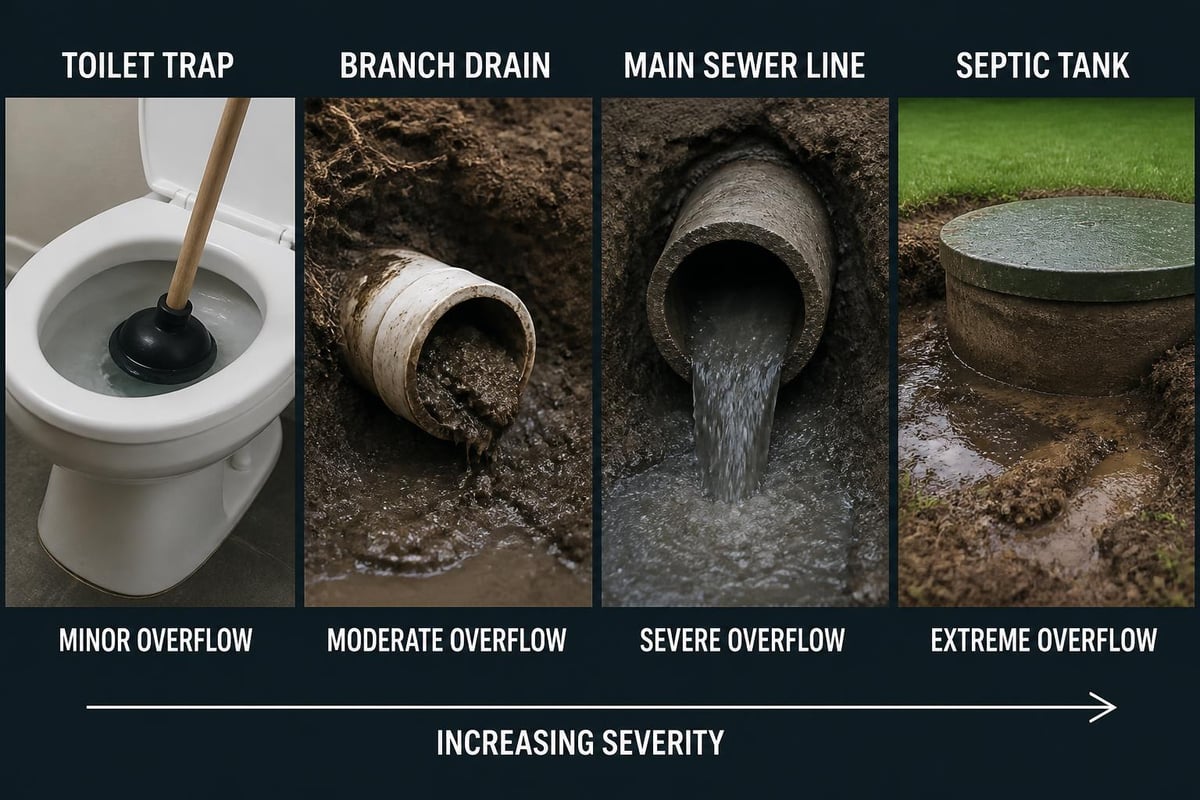
When multiple fixtures in your home experience drainage issues simultaneously, the problem likely extends beyond a single toilet. Main sewer line blockages or septic tank failures can cause wastewater to back up through the lowest drains in your property, often resulting in toilet overflow situations.
Tree root intrusion represents a particularly insidious cause of sewer line problems. Roots seek moisture and nutrients, gradually infiltrating pipes through tiny cracks or joints, eventually creating complete blockages.
Mechanical Failures That Lead to Overflows
Beyond blockages, mechanical failures within the toilet itself can trigger overflow events that surprise even vigilant property owners.
Float and Fill Valve Malfunctions
The toilet tank's float mechanism controls when water stops filling after a flush. When this component fails, water continues flowing into the tank indefinitely. If the overflow tube becomes blocked or the fill valve malfunctions completely, water can spill over the tank rim or create pressure that forces water out of the bowl.
| Component | Function | Failure Symptom |
|---|---|---|
| Float Ball/Cup | Signals fill valve to stop | Continuous running water |
| Fill Valve | Controls water entry | Tank overfilling |
| Flapper | Seals tank bottom | Weak flush, constant refilling |
| Overflow Tube | Prevents tank overflow | Water on floor around toilet |
Regular inspection of these components during routine cleaning can help identify wear before it causes emergency situations. Understanding mechanical toilet failures helps property owners recognize warning signs early.
Vent Pipe Obstructions
Your plumbing system relies on vent pipes to equalize air pressure and allow proper drainage. When these vents become blocked by debris, bird nests, or ice during winter months, the resulting pressure imbalances can cause slow drainage and eventual toilet overflow situations.
Warning signs of vent pipe problems:
- Gurgling sounds from drains when flushing
- Slow drainage across multiple fixtures
- Sewer odors inside the building
- Bubbling in toilet bowl when using other fixtures
Immediate Response Steps When Facing a Toilet Overflow
Quick action during a toilet overflow emergency can significantly reduce water damage and contamination risks. The first sixty seconds of your response often determine whether you face minor cleanup or extensive restoration needs.
Stop the Water Flow
Your immediate priority involves stopping additional water from entering the system. Taking immediate action during toilet overflow prevents minor issues from becoming major disasters.
Three methods to stop water flow:
- Remove the tank lid and manually lift the float to stop filling
- Turn off the water supply valve located behind the toilet near the floor
- Shut off the main water supply if the valve is stuck or inaccessible
Never attempt to flush again, as this introduces additional water into an already overwhelmed system. Many people instinctively flush a second time, hoping the problem will resolve itself, which invariably makes the situation worse.
Protect Your Property
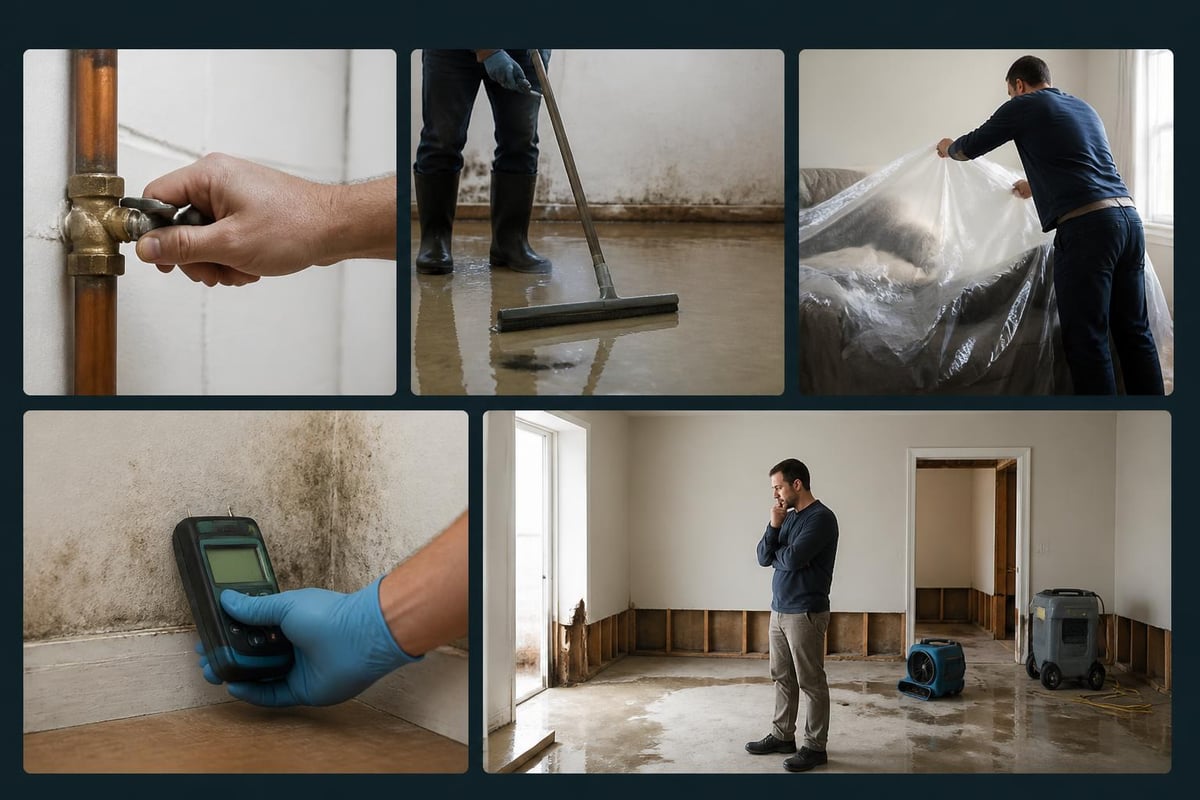
Once water flow stops, focus on minimizing damage to floors and belongings. Move area rugs, bathroom accessories, and any items from cabinets or shelves that could contact contaminated water. Place towels around the base of the toilet to absorb standing water and prevent it from spreading to other rooms.
For significant overflow events, especially those involving sewage backup, professional water damage restoration services become necessary to properly extract water, dry affected areas, and sanitize contaminated surfaces.
Health Risks and Contamination Categories
Not all toilet overflow situations carry equal health risks. Water damage professionals categorize water contamination into three distinct categories, each requiring different cleanup approaches and safety precautions.
Understanding Water Categories
Category 1 (Clean Water): Originates from sanitary sources like supply lines. If a fill valve malfunction causes tank overflow before the toilet is used, this represents Category 1 water. Standard cleaning methods suffice.
Category 2 (Gray Water): Contains some contamination and could cause discomfort or illness if contacted or consumed. This includes overflow from a toilet bowl that contained urine but no feces.
Category 3 (Black Water): Grossly contaminated water that can cause severe illness or death if ingested. Any toilet overflow containing fecal matter or backup from sewer lines falls into this category, requiring professional remediation.
| Contamination Level | Health Risk | Professional Required |
|---|---|---|
| Category 1 | Minimal | Generally No |
| Category 2 | Moderate | Recommended |
| Category 3 | Severe | Always Yes |
Most toilet overflow incidents involve Category 2 or Category 3 water, making professional assessment crucial for protecting occupant health. The longer contaminated water remains in contact with porous materials like drywall, wood, or carpet, the greater the contamination spreads and the more difficult complete restoration becomes.
Prevention Strategies to Avoid Future Overflows
Proactive maintenance and mindful usage habits dramatically reduce the likelihood of experiencing toilet overflow emergencies. Implementing these strategies protects your property investment and prevents the disruption, expense, and health risks associated with plumbing failures.
Establish Proper Usage Guidelines
Household rules that prevent clogs:
- Flush only human waste and toilet paper
- Keep a waste basket in each bathroom for other items
- Use moderate amounts of toilet paper per flush
- Teach children what belongs in the toilet
- Never use toilets to dispose of medications, grease, or chemicals
For commercial properties or homes with frequent guests, clear signage reminding users of proper toilet usage can prevent many overflow incidents. This proves especially important in areas with older plumbing systems or septic tanks that handle waste differently than modern municipal sewer connections.
Schedule Regular Maintenance Inspections
Annual plumbing inspections identify potential problems before they cause emergencies. Professional plumbers can camera-inspect drain lines, check vent pipes, test tank components, and ensure your entire system functions optimally.
Recommended inspection schedule:
- Professional plumbing inspection: Annually
- Visual tank component check: Quarterly
- Gentle plunging maintenance: Monthly
- Septic tank pumping: Every 3-5 years
Properties with mature trees near sewer lines should consider more frequent drain line inspections, as root intrusion can develop rapidly once established. Understanding when to call professional plumbers helps property owners balance DIY maintenance with expert intervention.
Insurance Coverage Considerations
Homeowners insurance coverage for toilet overflow damage depends significantly on the cause and circumstances surrounding the incident. Understanding your policy details before an emergency occurs helps you respond appropriately and document damage for claims purposes.
What Insurance Typically Covers
Most standard homeowners insurance policies cover sudden and accidental water damage, including toilet overflow caused by unexpected blockages or mechanical failures. Coverage generally includes water extraction, structural drying, repairs to damaged materials, and replacement of belongings destroyed by contaminated water.
Generally covered scenarios:
- Sudden pipe blockages from normal use
- Mechanical component failures in toilets
- Overflow during occupied periods when discovered quickly
- Damage to floors, walls, and ceilings from covered incidents
However, policies typically exclude damage from lack of maintenance, gradual leaks, or problems that existed before coverage began. If your toilet has been draining slowly for weeks and you ignored the warning signs, the insurer might deny claims for resulting overflow damage.
Documentation Best Practices
When toilet overflow occurs, immediately begin documenting the situation with photographs and detailed notes. Capture images of water levels, affected areas, damaged belongings, and the toilet itself. This documentation proves invaluable during the claims process and helps restoration professionals develop comprehensive remediation plans.
Contact your insurance provider within 24 hours of discovery to report the incident and understand your specific coverage. Many policies require prompt notification, and delays can complicate or invalidate claims. Professional restoration companies like CORE Restoration regularly work with insurance carriers and can help navigate the claims process while addressing immediate damage.

When DIY Solutions Aren't Enough
While minor toilet overflow incidents may resolve with basic plunging and cleanup, many situations require professional intervention to ensure complete restoration and prevent long-term damage.
Signs You Need Professional Help
Attempting to resolve serious toilet overflow situations without proper equipment, training, and safety gear can expose you to health hazards, cause additional property damage, and void insurance coverage. Recognizing when professional assistance becomes necessary protects both your health and your investment.
Call professionals immediately if:
- Overflow contains sewage or fecal matter
- Multiple fixtures show drainage problems
- Water has soaked into walls, subfloors, or ceilings
- Overflow volume exceeds one gallon
- The smell indicates sewer gas presence
- Previous DIY attempts failed
- Overflow occurred while property was unoccupied
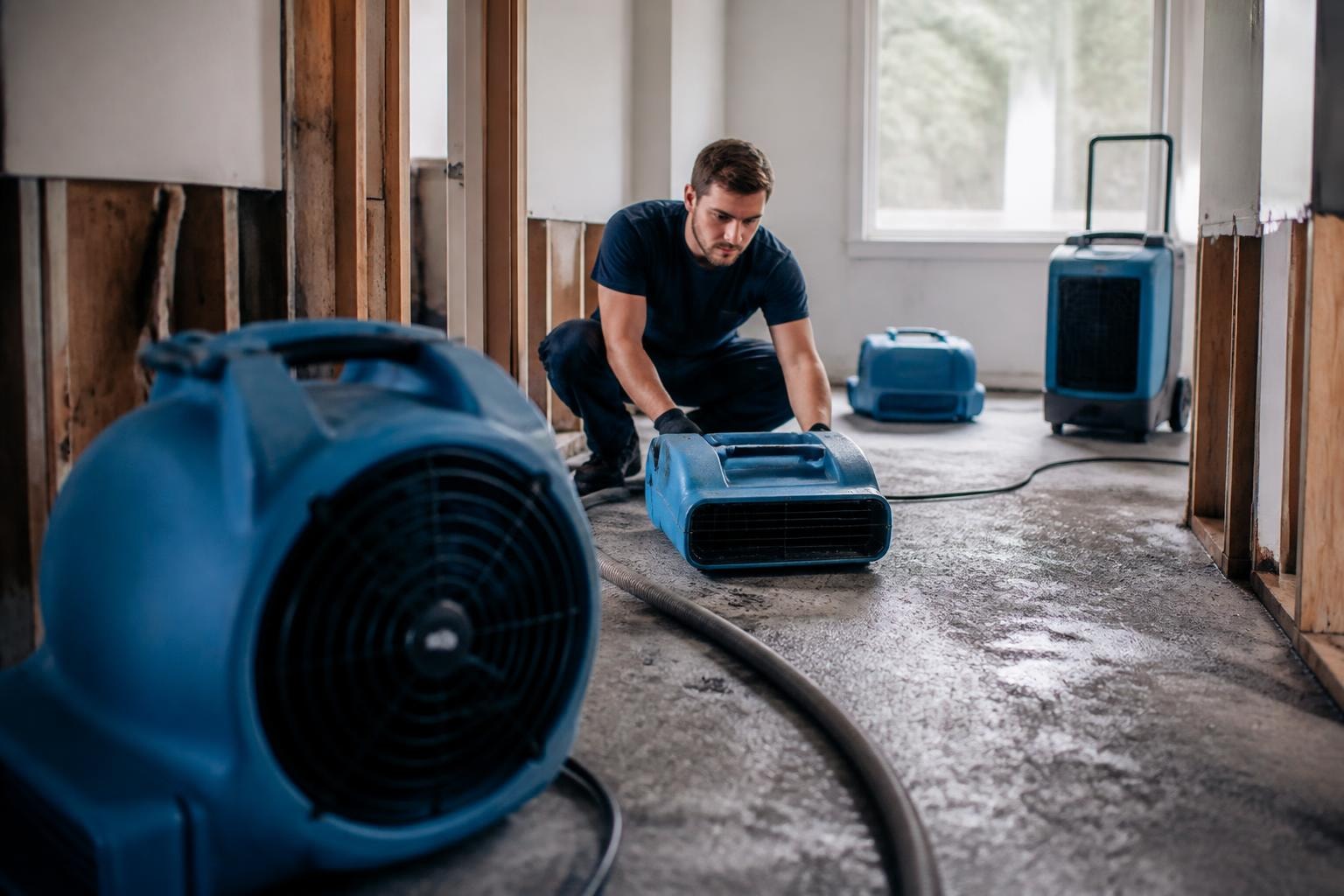
Professional restoration companies possess industrial-grade extraction equipment, moisture detection technology, antimicrobial treatments, and structural drying systems that far exceed consumer-grade tools. They also understand contamination protocols, ensuring thorough sanitization that protects occupant health.
The Restoration Process
Professional toilet overflow restoration follows systematic steps designed to return your property to pre-loss condition while addressing hidden moisture and contamination.
Professional restoration stages:
- Emergency Contact and Initial Assessment: 24/7 availability ensures rapid response
- Water Extraction: Industrial pumps and vacuums remove standing water
- Moisture Detection: Thermal imaging identifies hidden saturation
- Structural Drying: Commercial dehumidifiers and air movers dry materials thoroughly
- Antimicrobial Treatment: Professional-grade sanitizers eliminate pathogens
- Reconstruction: Repair or replace damaged materials as needed
This comprehensive approach addresses not only visible damage but also hidden moisture that could cause mold growth in walls, subfloors, or ceiling cavities. Property owners who attempt shortcuts often discover secondary damage weeks or months later, ultimately spending more on remediation than professional service would have cost initially.
Long-Term Impacts and Secondary Damage
The consequences of toilet overflow extend beyond immediate water damage. Without proper remediation, even seemingly minor incidents can create lasting problems that compromise property value, structural integrity, and occupant health.
Structural Concerns
Water from toilet overflow can penetrate subflooring, wall cavities, and ceiling assemblies where it remains trapped against wood framing members. This prolonged moisture contact causes wood rot, weakens structural components, and creates ideal conditions for mold colonization.
Bathroom tile and grout often develop cracks or loose sections after overflow events, as water infiltration undermines adhesive bonds and weakens substrate materials. These compromised areas then become entry points for future water intrusion, creating a cycle of escalating damage.
Mold and Air Quality Issues
Mold spores exist everywhere, but they only colonize and reproduce when moisture remains present for 24-48 hours. Toilet overflow provides ideal conditions for mold growth, especially since bathrooms typically have limited air circulation and higher ambient humidity than other rooms.
Health effects of mold exposure:
- Respiratory irritation and difficulty breathing
- Allergic reactions including sneezing and skin rashes
- Asthma trigger or exacerbation
- Headaches and fatigue
- Immune system stress
Professional remediation companies use moisture meters to verify complete drying, ensuring materials reach safe moisture levels that prevent mold growth. This thorough approach protects both immediate health and long-term air quality.
Special Considerations for Commercial Properties
Businesses face unique challenges when toilet overflow occurs, as these incidents can disrupt operations, affect customer experiences, and create liability concerns. Commercial property owners must balance cost control with proper remediation to protect their business interests.
Business Interruption Factors
A toilet overflow in a restaurant bathroom, medical office, or retail establishment may require temporary closure of affected areas or entire facilities. Every hour of downtime represents lost revenue, potentially disappointed customers, and damaged reputation.
Professional restoration companies experienced in commercial work understand these time pressures and can mobilize larger crews, work extended hours, and coordinate with business owners to minimize operational disruption. Some companies offer after-hours service specifically to accommodate businesses that cannot afford daytime closures.
Regulatory Compliance Requirements
Commercial properties often face stricter health department regulations than residential buildings. Following toilet overflow incidents, businesses may need to demonstrate complete sanitization before reopening affected areas to staff or customers.
Documentation of professional cleaning, antimicrobial treatment, and verification testing becomes essential for regulatory compliance. Attempting DIY cleanup in commercial settings can create liability exposure if later problems arise or if occupants develop health issues potentially related to inadequate remediation.
Cost Factors and Budget Planning
Understanding the financial implications of toilet overflow helps property owners make informed decisions about prevention investments, emergency response, and insurance coverage levels.
Typical Cost Ranges
Toilet overflow restoration costs vary dramatically based on contamination category, affected area size, duration before discovery, and materials damaged. Minor incidents might cost several hundred dollars for professional cleanup, while extensive sewage backups affecting multiple rooms can reach tens of thousands of dollars.
| Service Component | Typical Cost Range |
|---|---|
| Emergency Response | $200-$500 |
| Water Extraction | $500-$2,000 |
| Structural Drying | $1,000-$4,000 |
| Antimicrobial Treatment | $500-$1,500 |
| Flooring Replacement | $3-$15 per sq ft |
| Drywall Repair | $300-$800 per section |
These estimates highlight why prevention and early intervention prove far more cost-effective than delayed response. A $150 annual plumbing inspection that identifies a weakening seal or partial blockage could prevent a $10,000 restoration project.
Comparing DIY Versus Professional Costs
While DIY cleanup initially appears less expensive, hidden costs often exceed professional service pricing. Rental equipment costs, cleaning supplies, disposal fees, and the value of your time add up quickly. More significantly, incomplete drying or inadequate sanitization can necessitate a second, more expensive remediation when mold develops or odors persist.
Professional services also include insurance industry documentation, moisture verification testing, and warranties on their work. These protections provide peace of mind and can streamline insurance claims, potentially reducing your out-of-pocket expenses through better coverage utilization.
Toilet overflow emergencies require swift action, proper assessment, and often professional intervention to prevent extensive damage and health hazards. By understanding causes, implementing prevention strategies, and recognizing when expert help becomes necessary, property owners can minimize the impact of these stressful incidents. When toilet overflow affects your home or business, CORE Restoration provides 24/7 emergency response throughout the Walla Walla Valley and surrounding areas, combining over 19 years of expertise with comprehensive restoration services to return your property to pre-loss condition quickly and efficiently.