Common Causes of House Fires & Prevention Tips

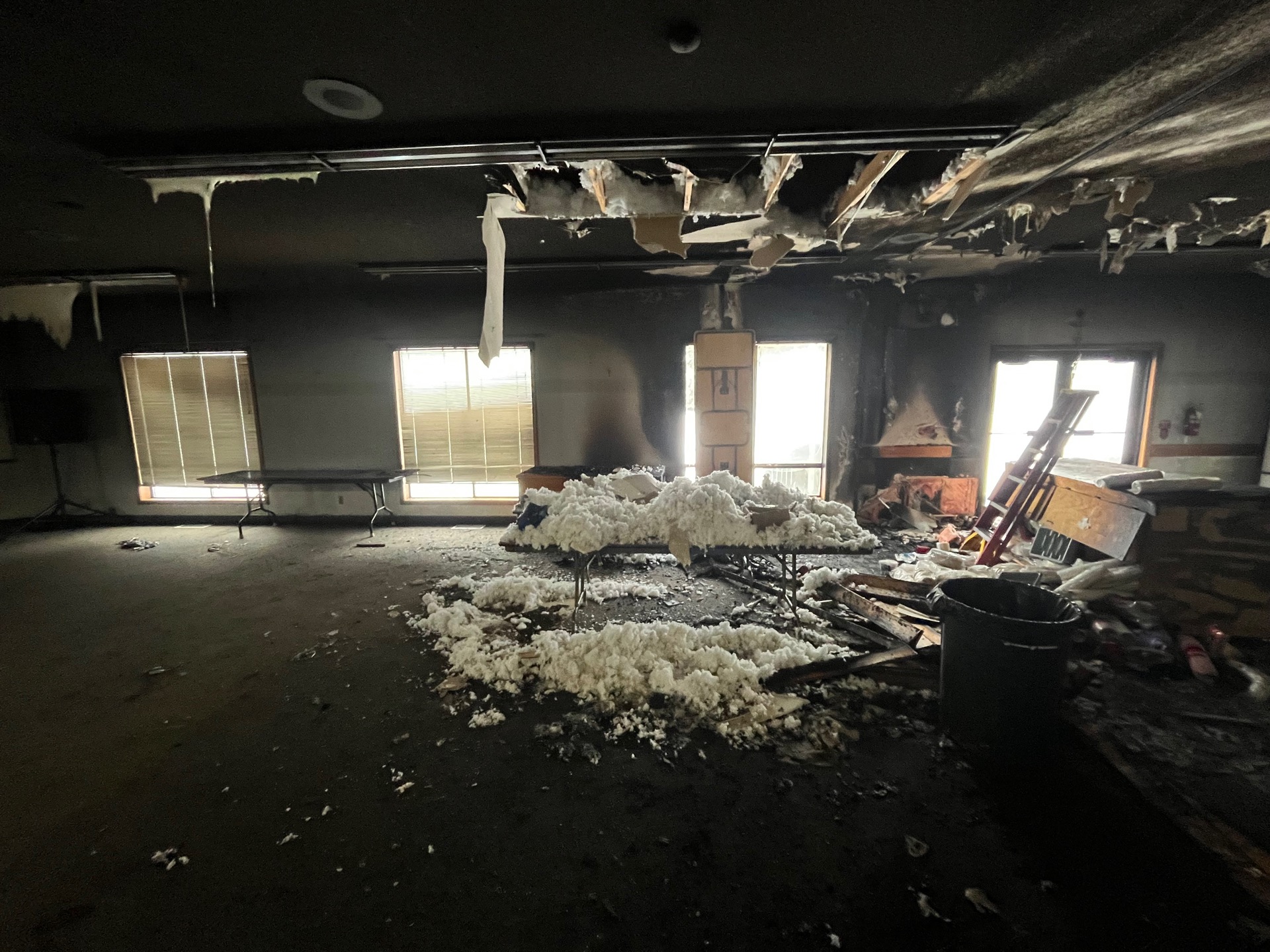
House fires remain one of the most devastating emergencies homeowners face, causing billions of dollars in property damage and countless injuries each year. Understanding what triggers these dangerous situations is the first step toward protecting your family and property. While many people assume fires happen to others, the reality is that most households contain multiple fire hazards that go unnoticed until disaster strikes. By identifying and addressing these risks, homeowners throughout the Walla Walla Valley and beyond can significantly reduce their vulnerability to fire-related disasters.
The Leading Culprit: Cooking Equipment
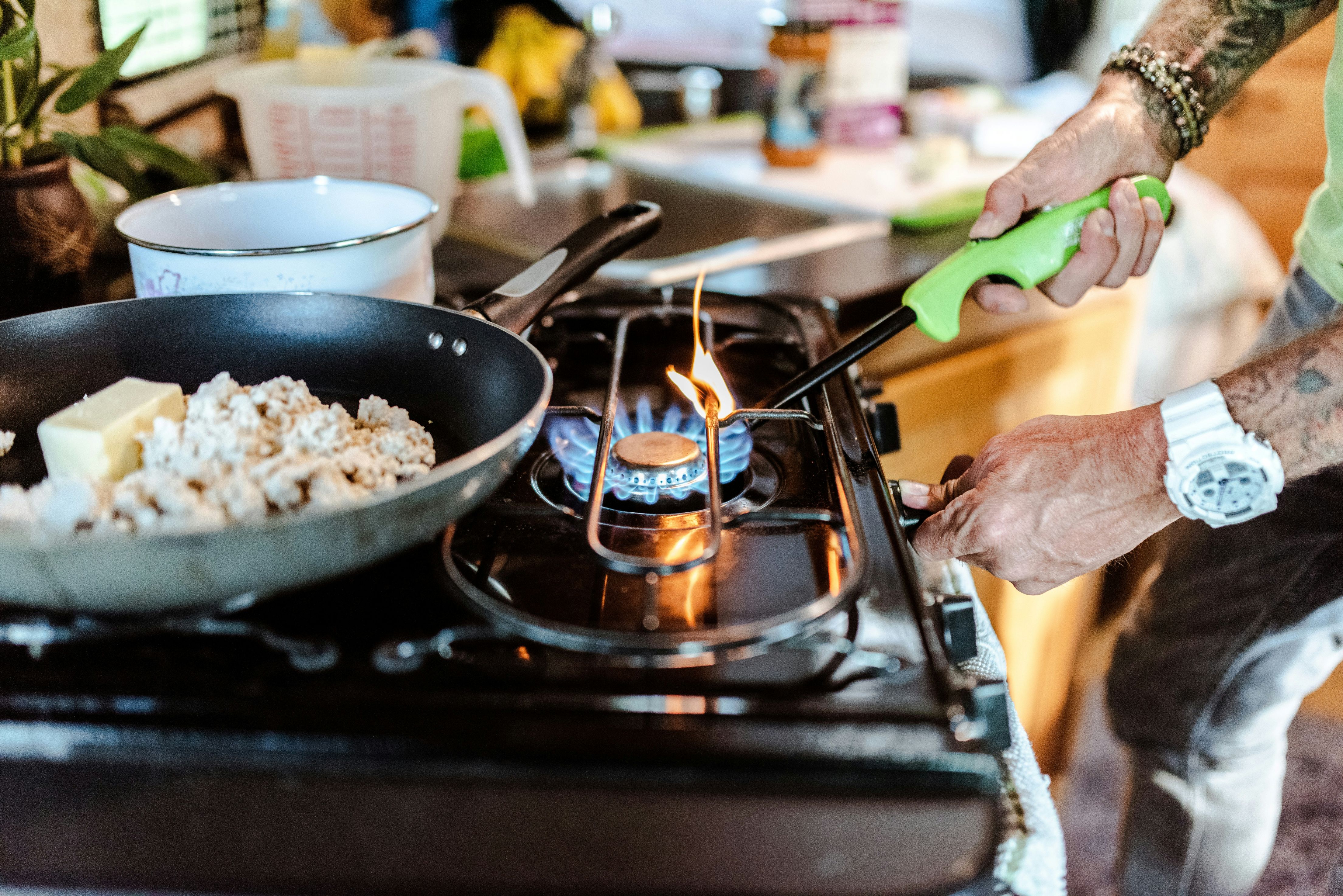
Cooking-related fires account for nearly half of all residential fires in the United States, making kitchen safety paramount for every household. The National Fire Protection Association (NFPA) reports that cooking is the leading cause of home fires and home fire injuries.
Why Kitchens Become Fire Zones
Unattended cooking represents the single biggest mistake homeowners make. When stovetops, ovens, or grills are left unsupervised, food can overheat, grease can ignite, and small flames can quickly escalate into major disasters. Grease fires are particularly dangerous because water actually spreads the flames rather than extinguishing them.
The most dangerous cooking method involves frying, especially deep-frying with oil. Oil heats to extremely high temperatures and can ignite within seconds if left unmonitored. Thanksgiving Day sees a spike in cooking fires, largely due to turkey fryer accidents and the pressure of preparing multiple dishes simultaneously.
Here are the primary cooking hazards to watch for:
Prevention starts with simple habits. Never leave the kitchen when frying, grilling, or broiling food. If you must leave while simmering, baking, or roasting, set a timer as a reminder. Keep potholders, wooden utensils, food packaging, and towels away from heat sources. Establish a three-foot "kid-free zone" around the stove and areas where hot food is prepared.

Heating Equipment Hazards
As temperatures drop during winter months, heating equipment becomes one of the common causes of house fires throughout the Pacific Northwest. Space heaters, fireplaces, wood stoves, and central heating systems all present unique risks when improperly maintained or operated.
Space Heater Dangers
Portable space heaters require constant vigilance because they generate intense, concentrated heat. The U.S. Fire Administration emphasizes that heating equipment is the second leading cause of home fire deaths.
Modern space heaters include safety features like automatic shut-off switches, but these mechanisms can fail or be bypassed. Placing heaters too close to combustible materials creates an immediate fire hazard. Curtains, furniture, bedding, and clothing can all ignite when exposed to prolonged heat.
Key space heater safety measures include:
Fireplace and Chimney Risks
Wood-burning fireplaces and chimneys accumulate creosote, a highly flammable tar-like substance that builds up from burning wood. Without annual professional cleaning, creosote can ignite inside the chimney, causing chimney fires that spread to the roof and attic spaces.
Glass fireplace doors should remain open while fires burn to prevent gas buildup. Ashes remain hot for days after fires appear extinguished, so proper disposal in metal containers away from structures is essential. If you experience fire damage from heating equipment, professional fire damage restoration services can help restore your property to its original condition.
Electrical System Failures
Electrical malfunctions rank among the most insidious common causes of house fires because they often develop hidden within walls and ceilings. Faulty wiring, overloaded circuits, and defective electrical appliances can smolder for hours before erupting into flames.
Circuit Overload Issues
Modern homes contain more electrical devices than ever before, but many properties still operate on outdated electrical systems designed for lower power demands. When too many devices draw power from a single circuit, wires overheat and insulation breaks down, creating fire conditions.
Extension cords serve as temporary solutions only. Permanent installations require dedicated circuits and proper wiring. Plugging space heaters, air conditioners, or other high-wattage appliances into extension cords creates dangerous heat buildup.
Aluminum wiring, common in homes built between 1965 and 1973, presents particular risks because aluminum expands and contracts more than copper, loosening connections over time. Homes with aluminum wiring should undergo professional inspection and possible remediation.
Appliance-Related Fires
Dryers cause thousands of fires annually, primarily due to lint accumulation in exhaust vents. Lint is extremely flammable and restricts airflow, causing heating elements to overheat. Clean the lint filter before every load and have dryer vents professionally cleaned annually.
Dishwashers and washing machines can also malfunction, particularly when hoses crack or connections loosen, though water damage is more common than fire with these appliances. Learn more about dishwasher overflow prevention to protect your home from multiple hazards.
Smoking Materials and Carelessness
Cigarettes, cigars, and pipes remain significant contributors to the common causes of house fires, particularly fatal fires. Smoking materials often cause slower-developing fires that produce deadly smoke while residents sleep.
The most dangerous smoking-related behaviors include:
Upholstered furniture and mattresses are particularly vulnerable to cigarette ignition. Modern fire-resistant materials help, but older furniture can smolder for hours before bursting into flames. The American Red Cross provides guidance on fire prevention and emergency preparedness.
Electronic cigarettes and vaping devices introduce new risks through lithium battery failures. These batteries can overheat, vent, or explode when damaged, improperly charged, or exposed to extreme temperatures. Always use manufacturer-approved chargers and never leave devices charging overnight unattended.
Candles and Open Flames
Candles create ambiance but also represent one of the most preventable common causes of house fires. The soft glow comes with serious responsibilities that many homeowners overlook during relaxation or celebrations.
Placement Problems
Candles must remain in view and on stable, heat-resistant surfaces. Placing candles near curtains, books, papers, or other combustibles invites disaster. Ceiling fans can blow lightweight materials into candle flames. Pets and children can knock over candles accidentally, so elevated, secure locations work best.
December sees the highest number of candle fires due to holiday decorating. Never place candles on or near Christmas trees, wreaths, or garland. Battery-operated flameless candles provide safer alternatives for decorative purposes without sacrificing visual appeal.
Always extinguish candles before leaving rooms or going to sleep. Keep wicks trimmed to one-quarter inch to prevent excessive flames and smoking. Use proper candle holders designed for the candle size, and never burn candles all the way down to the bottom, as containers can crack or shatter from heat.
Children Playing with Fire
Curiosity about fire is natural for children, but unsupervised access to lighters, matches, and other ignition sources creates tragedy. Children under five cause thousands of fires annually, often while parents are distracted or sleeping.
Store ignition sources completely out of reach, preferably in locked cabinets. Child-resistant lighters provide some protection but aren't foolproof. Education matters more than barriers in the long term. Teach children that fire is a tool for adults only and demonstrate proper respect for its dangers.
Many childhood fire-setting incidents occur in bedrooms where children experiment while playing alone. Installing smoke alarms in every bedroom provides early warning if curiosity leads to disaster. Regular fire drills help children respond appropriately rather than hiding when fires occur.
Flammable Liquids and Chemicals
Gasoline, paint thinners, cleaning solvents, and other volatile chemicals require proper storage away from living spaces. Garages and sheds often become repositories for dangerous materials stored carelessly near water heaters, electrical panels, or other ignition sources.
Storage Best Practices
Flammable liquids must be kept in approved containers, tightly sealed, and stored in well-ventilated areas away from heat sources. Never store gasoline indoors or in quantities exceeding local regulations. Vapors can travel across rooms and ignite from pilot lights, electrical sparks, or static electricity.
Oily rags present a surprising fire hazard through spontaneous combustion. Rags soaked with oils, stains, or solvents can self-heat as the oils oxidize, eventually reaching ignition temperature without any external heat source. Spread oil-soaked rags flat to dry outdoors, or store them in water-filled metal containers.
Chemical mixing creates additional dangers. Household cleaners can react violently when combined, producing heat, toxic gases, or even explosions. Store chemicals separately and never transfer them to unmarked containers where they might be misidentified.
Outdoor Fire Risks
Grills, fire pits, and outdoor cooking equipment extend common causes of house fires beyond interior spaces. Propane leaks, charcoal ember spillage, and proximity to structures all contribute to exterior-origin fires that damage homes.
Gas grills should be checked annually for leaks using soapy water on connections. Bubbles indicate escaping gas that could ignite. Position grills at least ten feet from house siding, deck railings, and overhanging branches. Never grill in garages, covered patios, or other enclosed spaces where carbon monoxide can accumulate.
Charcoal requires complete cooling before disposal, which takes much longer than most people realize. Coals that appear gray and dead can still harbor intense heat capable of igniting trash bags or combustible containers. Douse coals thoroughly with water and dispose in metal containers.
Fire pits need clearance from structures, overhanging branches, and combustible landscaping. Wind can carry embers significant distances, so check weather conditions before starting outdoor fires. Keep water sources or fire extinguishers nearby, and never leave fires unattended.
Seasonal Fire Hazards
Different times of year bring unique fire risks that homeowners must anticipate. Winter heating demands, summer drought conditions, and holiday decorating all influence fire probability and behavior.
During winter, frozen pipes create risks beyond water damage. Residents sometimes use improper heating methods like ovens or open flames to thaw pipes, creating fire hazards far worse than the original plumbing problem.
Summer droughts increase wildfire risks in rural areas, while spring storms bring lightning strikes and power surges that can ignite fires. Understanding storm damage restoration needs helps homeowners prepare for weather-related emergencies beyond just fire.
Holiday fire prevention checklist:
Lightning and Weather-Related Fires
Lightning strikes cause fires directly through electrical discharge and indirectly through power surges that damage wiring and appliances. Whole-house surge protection provides some defense, but unplugging sensitive electronics during storms offers better protection.
Weather events also disrupt normal fire safety systems. Power outages disable smoke alarms without battery backup, while emergency candle use increases ignition risks. Generators must operate outdoors with proper ventilation, positioned away from windows and doors where exhaust could enter living spaces.
Ready.gov provides comprehensive guidance on preparing for and responding to home fires, including creating evacuation plans and assembling emergency kits.
Detection and Prevention Systems
Understanding common causes of house fires means nothing without adequate detection and suppression systems. Smoke alarms reduce fire death risk by half, but only when properly installed, maintained, and functional.
Install smoke alarms on every level, inside each bedroom, and outside sleeping areas. Interconnect alarms so all sound when one detects smoke. Test monthly and replace batteries annually, or choose long-life alarms with sealed ten-year batteries. Replace entire units every ten years regardless of apparent function.
Carbon monoxide detectors complement smoke alarms because many fires produce deadly CO before visible flames develop. Position CO detectors near bedrooms and on each level, following manufacturer height recommendations.
Fire extinguishers provide first-line defense against small fires before they escalate. Keep multipurpose ABC-rated extinguishers in kitchens, garages, and workshops. Learn the PASS technique: Pull the pin, Aim at the fire's base, Squeeze the handle, Sweep side to side. If fires don't diminish within seconds, evacuate immediately.
Creating a Fire Escape Plan
Even with perfect prevention, fires can still occur, making escape planning essential. Every household member should know two exits from every room and a designated meeting spot outside.
Practice fire drills twice yearly, including nighttime drills when people sleep most soundly. Teach children to escape first rather than searching for pets or possessions. Designate one person to call 911 from outside, never from inside burning buildings.
Second-story bedrooms need escape ladders stored in accessible locations. Ensure windows open easily and screens remove quickly. Security bars require quick-release mechanisms accessible from inside without keys.
Closed doors slow fire spread significantly, providing crucial extra minutes for escape. Sleep with bedroom doors closed and teach children to feel doors before opening them. Hot doors indicate fire on the other side, requiring alternate escape routes.
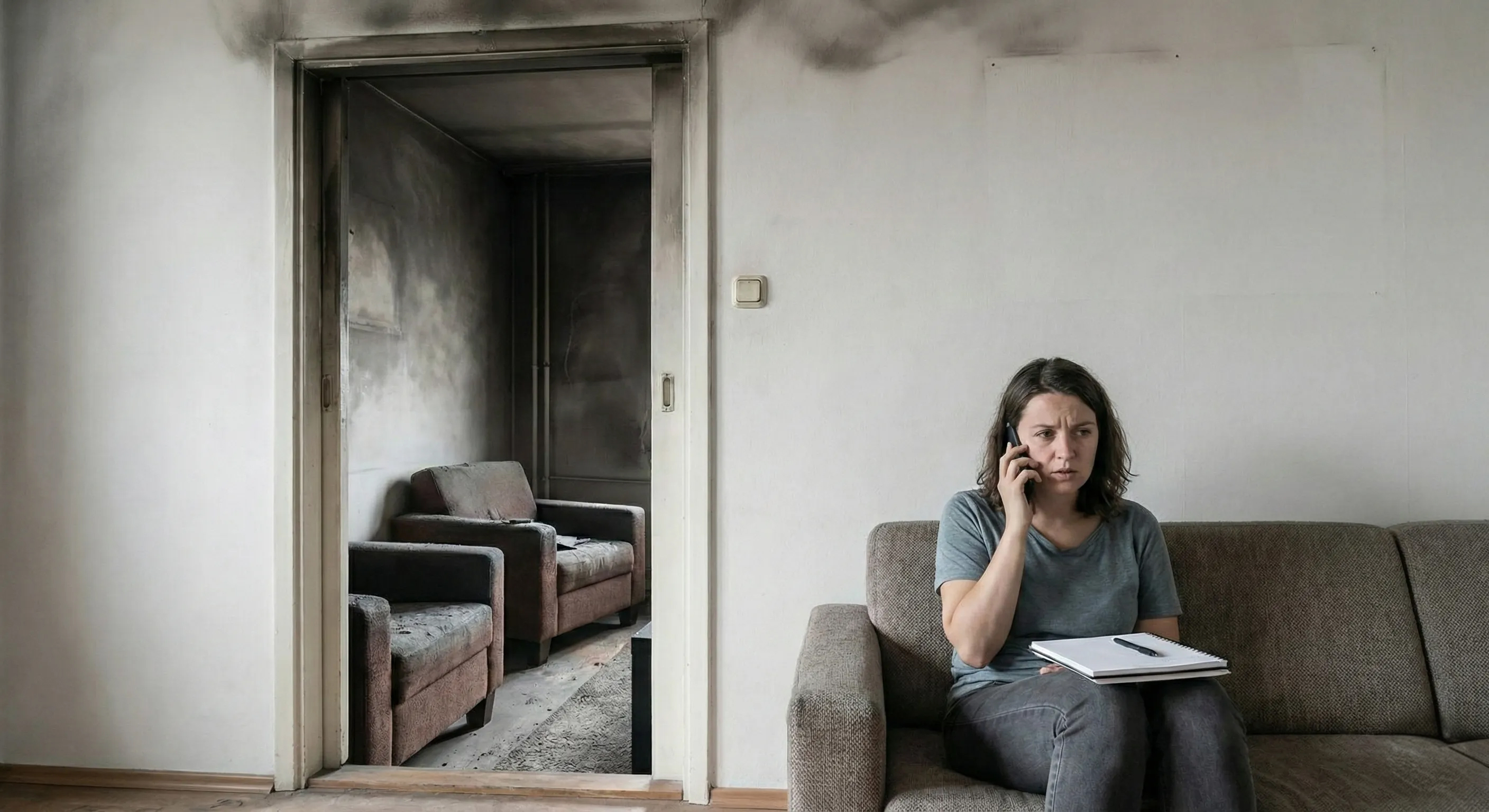
Protecting your home from the common causes of house fires requires vigilance, education, and proper safety systems working together. While prevention dramatically reduces risks, fires can still occur despite best efforts. When disaster strikes, CORE Restoration provides 24/7 emergency response for fire damage restoration throughout the Walla Walla Valley and surrounding areas. With over 19 years of experience and comprehensive restoration services, their team helps property owners recover quickly and completely from fire-related disasters, working directly with insurance companies to ensure smooth, efficient restoration.