What to Do in the First 24 Hours After Fire Damage

The actions you take immediately after a fire can significantly impact your recovery. This step-by-step guide walks you through the critical first 24 hours.
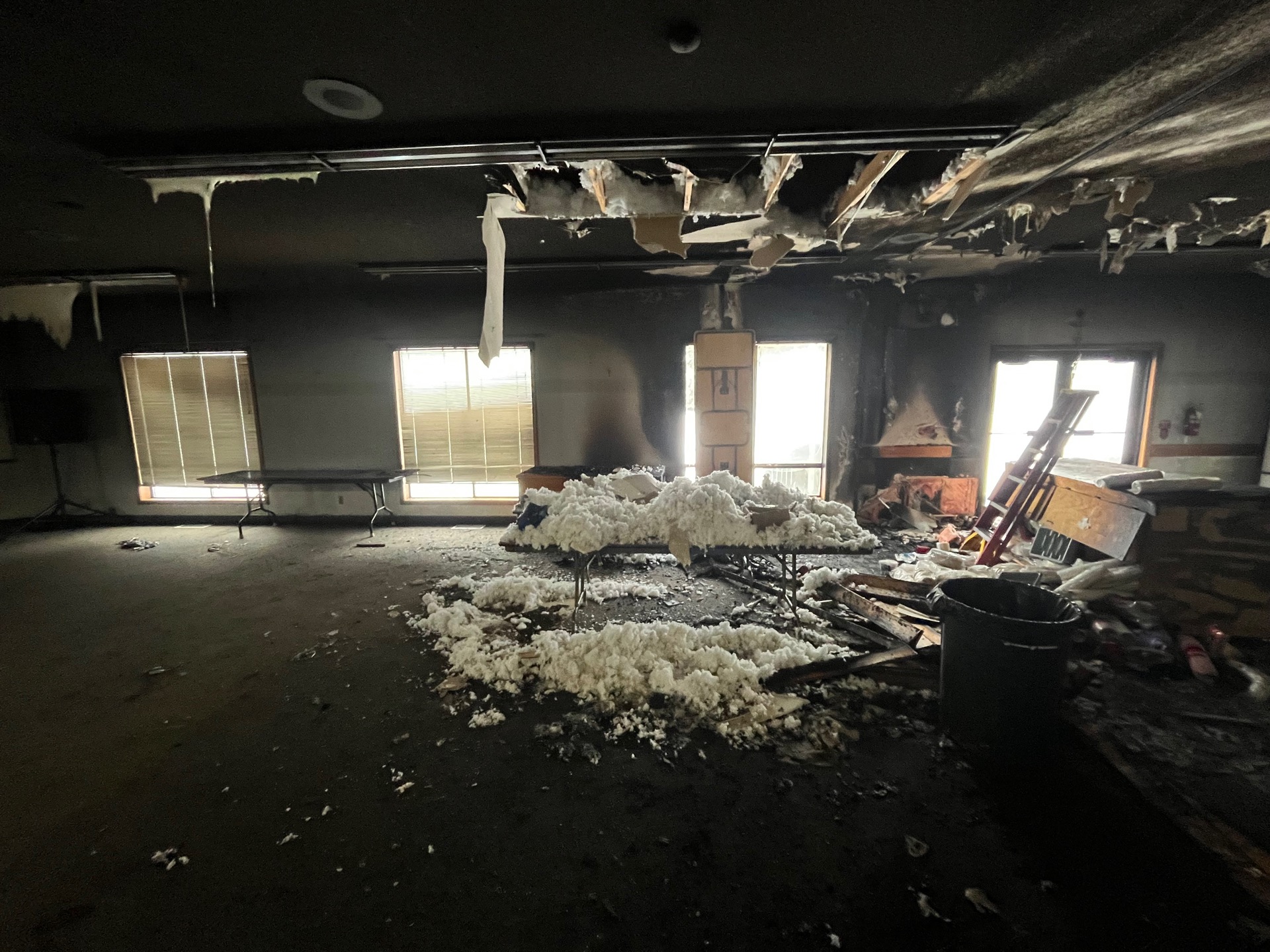
A fire in your home is devastating. Even after the flames are out, you're left standing in shock, wondering what comes next. The smoke smell is overwhelming, water from fire hoses has soaked everything, and you don't know where to begin.
Take a breath. You will get through this.
The first 24 hours after a fire are critical for your safety, your belongings, and your insurance claim. As a fire damage restoration company that has helped hundreds of Walla Walla families recover from fires, we've created this guide to walk you through exactly what to do.
Before You Do Anything: Safety First
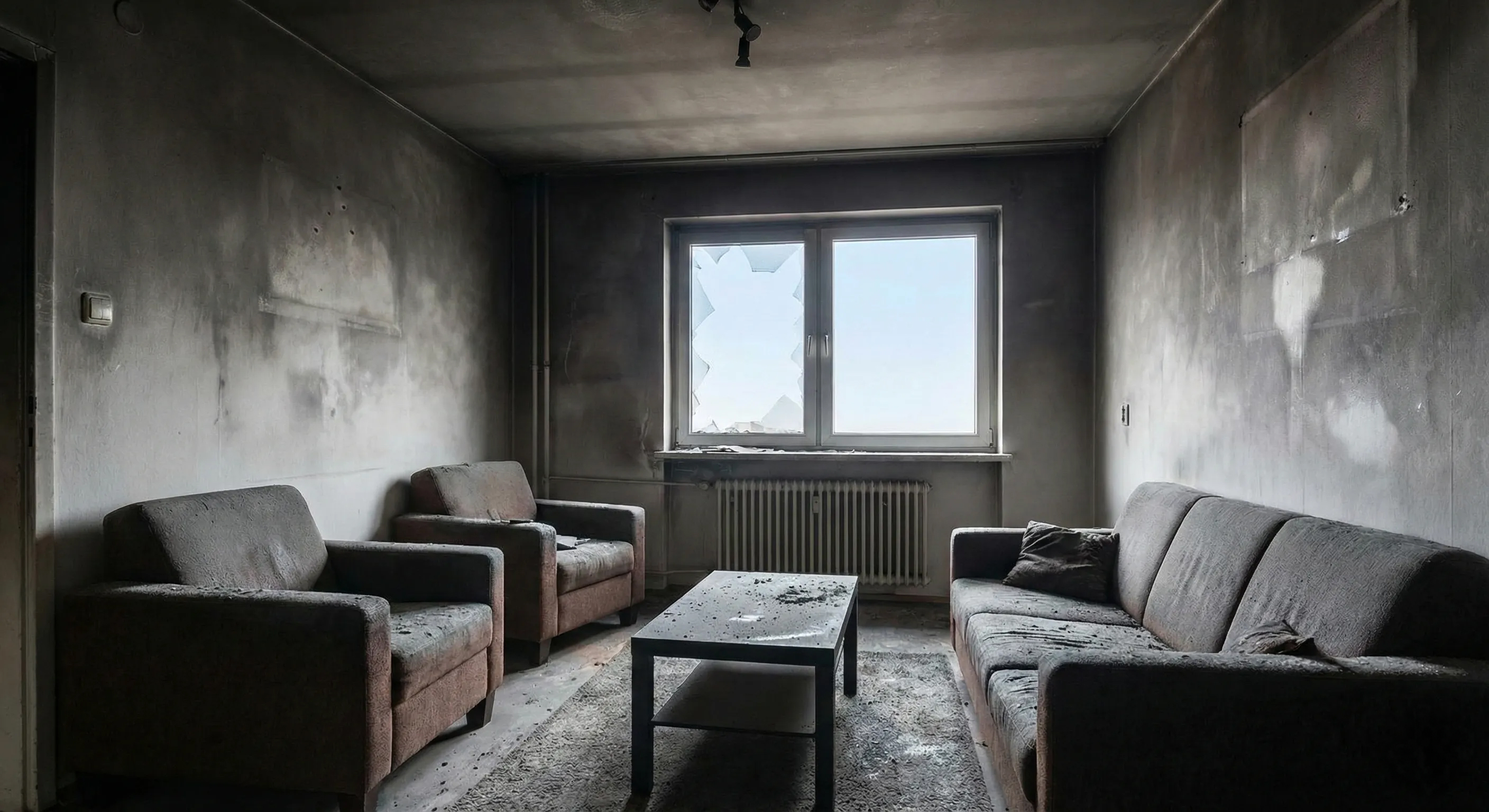
Do not re-enter your home until the fire department has cleared it as safe. Even after flames are extinguished, dangers remain:
- Structural damage may make floors, stairs, or roofs unstable
- Smoke and toxic fumes can linger in the air
- Hot spots can reignite
- Electrical hazards from damaged wiring
- Gas leaks if lines were damaged
When the fire department gives you clearance, they'll provide a fire incident report. Keep this document safe, as you'll need it for insurance.
Hour 1-4: Immediate Actions
1. Secure the Property
If your home is accessible and safe to enter:
- Lock all doors and windows that still function
- Board up broken windows and damaged entry points
- If you can't do this yourself, a restoration company can provide emergency board-up services 24/7
2. Contact Your Insurance Company
Call your homeowner's insurance provider as soon as possible. Most have 24/7 claims hotlines. When you call:
- Have your policy number ready if possible
- Provide basic information about the fire (date, time, apparent cause)
- Ask about your coverage for temporary housing (Additional Living Expenses)
- Request a claim number and the name of your assigned adjuster
- Ask about advance payment for immediate needs
Important: Don't sign any documents or agree to any settlements during this first call. Simply report the claim and gather information.
3. Document Everything
Before touching or moving anything, document the damage thoroughly:
- Take photos and videos of every room, including ceilings and floors
- Photograph damaged items up close
- Document smoke damage on walls, furniture, and belongings
- Capture water damage from fire hoses
- Take wide shots and detail shots of the same areas
This documentation is crucial for your insurance claim. The more thorough you are now, the smoother the claims process will be.
Need Emergency Fire Damage Help?
CORE Restoration provides 24/7 emergency response for fire damage in the Walla Walla Valley. We can help with board-up, documentation, and immediate restoration needs. Call (509) 520-0974 Now →
Hour 4-12: Critical Next Steps
4. Arrange Temporary Housing
If your home is uninhabitable, you'll need a place to stay. Your insurance policy likely includes "Additional Living Expenses" (ALE) coverage that pays for:
- Hotel or rental housing
- Restaurant meals (above your normal food budget)
- Laundry services
- Pet boarding if needed
Save all receipts. Your insurance company will reimburse reasonable expenses, but you'll need documentation.

5. Contact a Fire Damage Restoration Company
Time is critical with fire damage. The longer smoke residue sits on surfaces, the harder (and more expensive) it becomes to remove. Soot can permanently stain surfaces within 24-48 hours.
A professional restoration company will:
- Assess the full extent of damage (fire, smoke, water, and structural)
- Begin emergency mitigation to prevent further damage
- Work directly with your insurance company
- Create a detailed scope of work and estimate
- Begin the restoration process
6. Notify Important Parties
Within the first 12 hours, contact:
- Your mortgage company (they have an insurable interest in your property)
- Utility companies (electric, gas, water) to shut off services if not already done
- Your employer if you need time off
- Children's schools if applicable
Hour 12-24: Recovery Begins
7. Retrieve Essential Items (If Safe)
If allowed to enter your home, prioritize retrieving:
- Medications
- Important documents (if undamaged): IDs, passports, birth certificates
- Eyeglasses and medical equipment
- Essential clothing
- Irreplaceable items (photos, heirlooms) if safely accessible
Wear protective gear: N95 mask, gloves, long sleeves, and closed-toe shoes. Soot and debris can be hazardous.
8. Begin Inventory of Damaged Items
Start creating a detailed list of damaged or destroyed belongings:
- Item description
- Approximate purchase date
- Original cost (estimate if unknown)
- Condition before the fire
This inventory will be essential for your insurance claim. Go room by room, and don't forget items in closets, garages, and storage areas.
9. Understand What NOT to Do
Equally important as knowing what to do is knowing what to avoid:
- DON'T turn on electrical systems until inspected by a professional
- DON'T turn on HVAC systems (they'll spread soot throughout the house)
- DON'T eat food that was exposed to smoke, heat, or fire-fighting chemicals
- DON'T clean or wipe soot from surfaces (improper cleaning can cause permanent staining)
- DON'T throw anything away until documented and approved by your insurance adjuster
- DON'T attempt DIY fire restoration (specialized equipment and techniques are required)
What Happens After the First 24 Hours
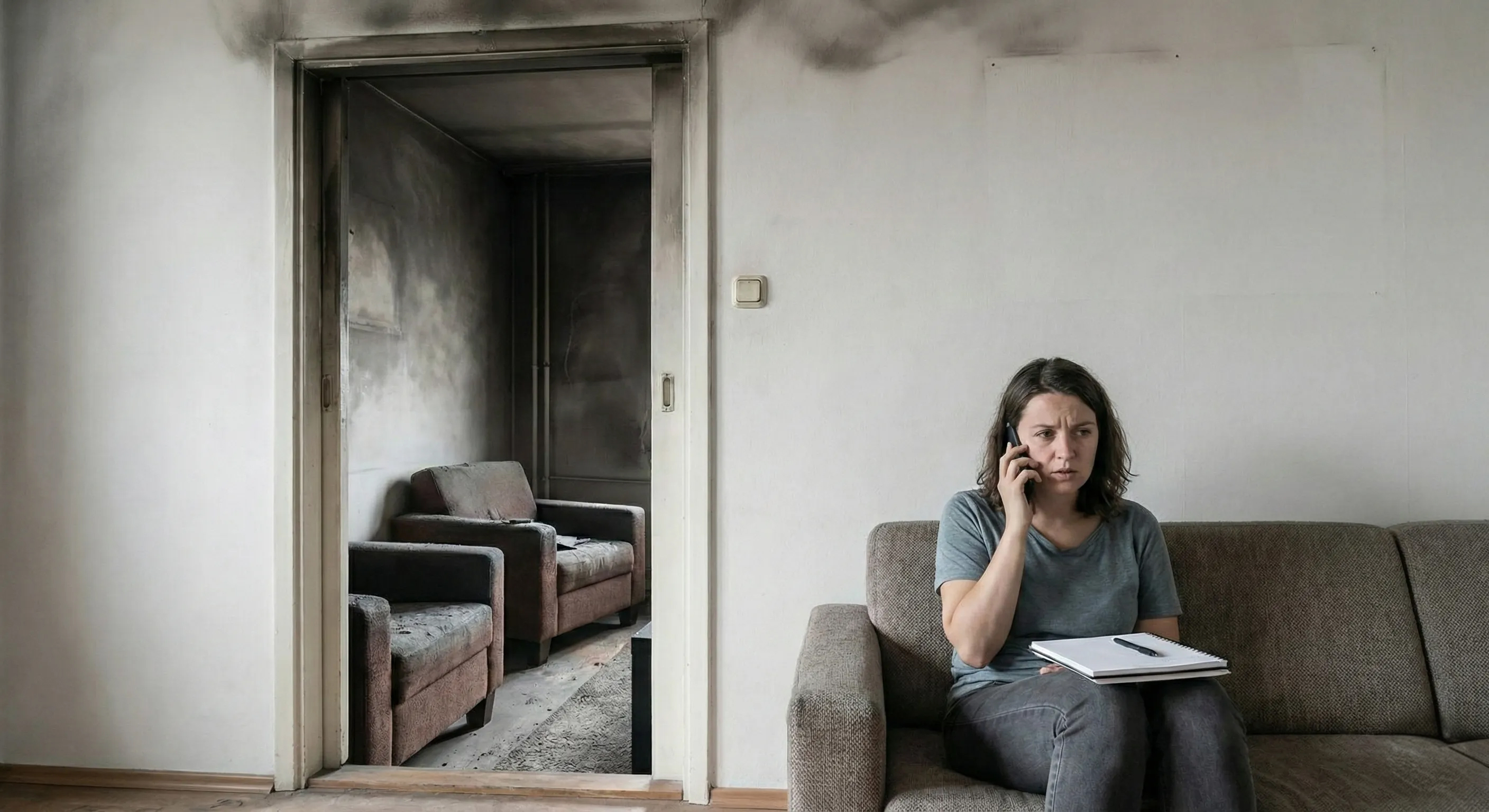
Once you've handled the immediate crisis, the restoration process begins in earnest:
- Insurance adjuster inspection (typically within 1-3 days)
- Water extraction (fire hose water must be removed immediately)
- Smoke and soot removal from all surfaces
- Odor elimination using specialized equipment
- Structural repairs and reconstruction
- Contents cleaning or replacement
The full restoration timeline depends on the extent of damage, but most fire-damaged homes require 2-6 months for complete restoration.
Why the First 24 Hours Matter So Much
Acting quickly after a fire isn't just about convenience. It directly impacts:
- Restoration costs: Soot that sits for 24+ hours becomes much harder to remove, increasing cleaning costs
- Salvageable items: Many smoke-damaged items can be saved if treated quickly, but become unsalvageable if left too long
- Secondary damage: Water from fire hoses causes mold within 24-48 hours if not extracted
- Insurance claims: Proper documentation in the first 24 hours strengthens your claim
We're Here to Help Walla Walla Families Recover
At CORE Restoration, we understand that a fire is one of the most traumatic experiences a family can face. Our team has helped hundreds of Walla Walla Valley families navigate the recovery process.
We offer:
- 24/7 emergency response
- Emergency board-up and property securing
- Direct insurance billing and claims assistance
- IICRC-certified fire damage restoration
- Complete restoration from damage to rebuild
- Compassionate, local service from people who care
You don't have to face this alone.
24/7 Fire Damage Emergency Response
If you've experienced a fire, call CORE Restoration immediately. We'll guide you through the next steps and begin the recovery process right away. Call (509) 520-0974 Now →
CORE Restoration provides fire damage restoration services throughout Walla Walla County, WA and Umatilla County, OR, including Walla Walla, College Place, Milton-Freewater, Pendleton, Dayton, Waitsburg, and surrounding communities.