
Rental Turnover Checklist: Catch Damage Before Move-In
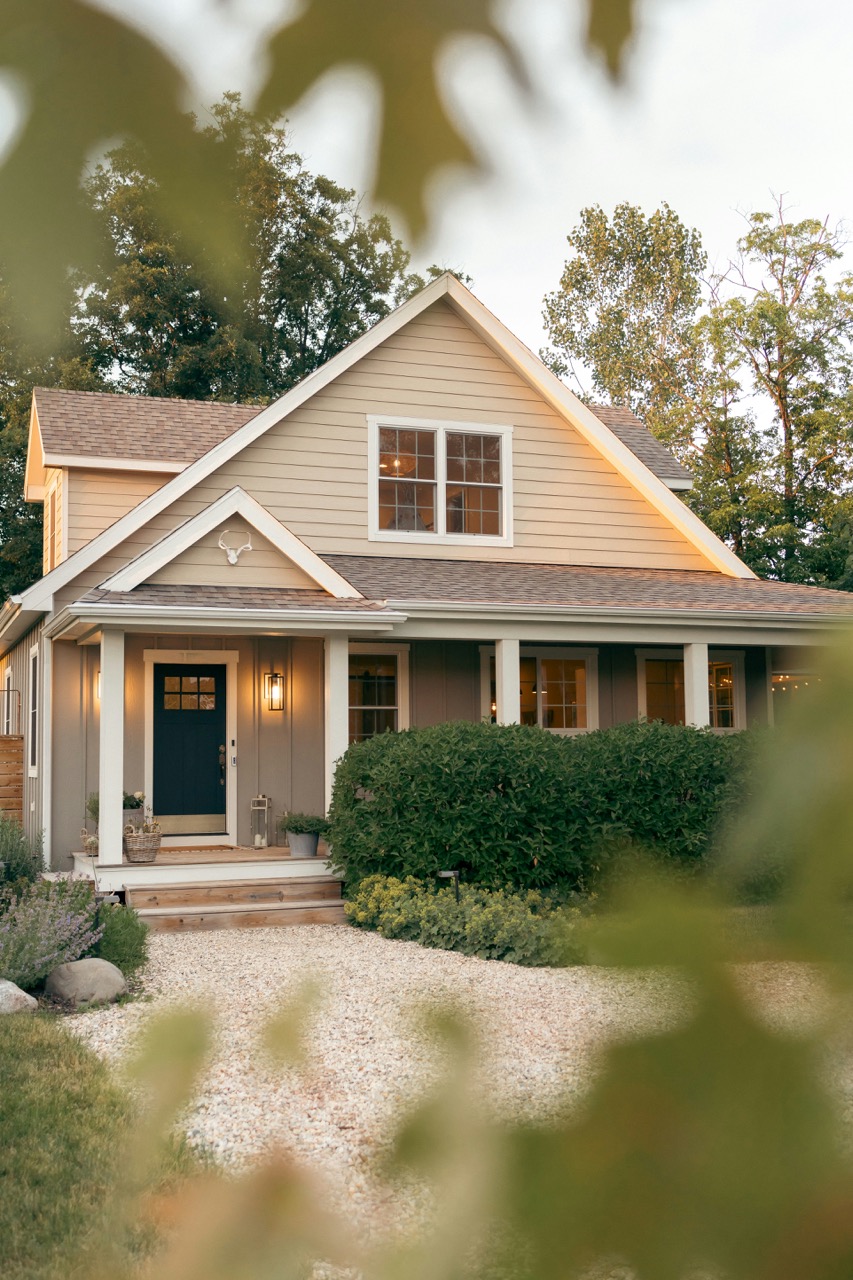
The gap between tenants is the best time to find hidden damage, before it becomes a bigger repair or a tenant complaint. Here's a walk-through checklist for landlords and property managers.
Between Walla Walla University, Whitman College, and Walla Walla Community College, the valley has a busy rental market, and turnovers tend to bunch up around the school year. A move-out is often the first time in a year that anyone has looked under the sinks or into the crawl space. Use that window.

Know Your Basic Obligations
In Washington, the Residential Landlord-Tenant Act (RCW 59.18.060) requires landlords to, among other things:
- Keep the premises fit for human habitation
- Maintain structural components, including the roof, in reasonably good repair
- Keep the unit reasonably weathertight
- Keep landlord-supplied plumbing, heating, electrical systems, and appliances in reasonably good working order
- Provide adequate heat, water, and hot water
- Give tenants written notice about the unit's smoke detection device and the tenant's responsibility to maintain it
- Give new tenants information about mold provided or approved by the Washington State Department of Health
Oregon landlords in Milton-Freewater, Pendleton, and Hermiston follow Oregon's Residential Landlord and Tenant Act (ORS Chapter 90). This is a summary, not legal advice. Check the current law or talk with an attorney about your specific situation.
Water Damage Checklist
Water problems are among the most common hidden damage in rentals, because tenants often don't notice a slow leak or don't report it.
- Look inside every sink cabinet for stains, warping, soft spots, or a musty smell
- Check around the base of each toilet for soft flooring or discoloration
- Inspect tub and shower caulk and grout for gaps or cracks
- Look at ceilings below bathrooms and laundry areas for stains
- Check the water heater for rust, moisture, or puddles, and confirm it has a working pressure relief valve line
- Inspect washing machine and dishwasher hoses, and replace any that are cracked or bulging
- Check the refrigerator ice-maker line, if there is one
- Look around windows and sliding doors for water stains or swollen trim
- Pull back a corner of carpet near bathrooms and the kitchen if you suspect a leak
Mold and Moisture Checklist
- Sniff for musty odors, especially in closets, bathrooms, and lower levels
- Check window sills and frames for condensation damage or mold, which is common in winter
- Make sure bathroom exhaust fans work and actually vent outside
- Inspect the crawl space or basement for standing water, damp insulation, or visible growth
- Check indoor humidity. The EPA recommends keeping it below 60 percent, ideally 30 to 50 percent
Small spots of mold on hard surfaces can often be cleaned. The EPA says areas under about 10 square feet can usually be handled without a professional. Larger areas, mold on drywall or carpet, or mold tied to a leak call for professional mold remediation.
Smoke and Fire Safety Checklist
- Test every smoke alarm and carbon monoxide alarm, and replace batteries or units as needed
- Check alarm manufacture dates. Most smoke alarms need replacing after about 10 years
- Look for smoke odor or yellow staining from tobacco smoke or candles, especially on ceilings and around vents
- Clean the dryer vent line, not just the lint screen
- Make sure there's a fire extinguisher if your lease or local code calls for one

Exterior and Structure Checklist
- Clean gutters and confirm downspouts drain away from the foundation
- Look for missing or damaged shingles from the ground
- Check that soil slopes away from the foundation
- Trim branches that hang over the roof
- Before winter, disconnect hoses, drain outdoor faucets, and insulate exposed pipes
Document Everything
Take dated photos and video of every room at move-out and again before move-in. Good records help with security deposit questions, and if you find damage that might be covered by insurance, your insurer will want to see it as you found it.
A Restoration Partner for Property Owners
If your walk-through turns up water damage, mold, or smoke damage, CORE Restoration can help get the unit back on track. Our IICRC-certified team works with landlords and property managers across Walla Walla, College Place, Dayton, Milton-Freewater, Pendleton, Hermiston, and nearby communities, and we work directly with your insurance company. See our resources for property owners or call (509) 520-0974, 24/7.
Sources: Washington State Legislature, RCW 59.18.060; U.S. EPA, A Brief Guide to Mold, Moisture, and Your Home; U.S. EPA, Mold Cleanup in Your Home.
