
Best Sump Pump: Complete Guide for 2026
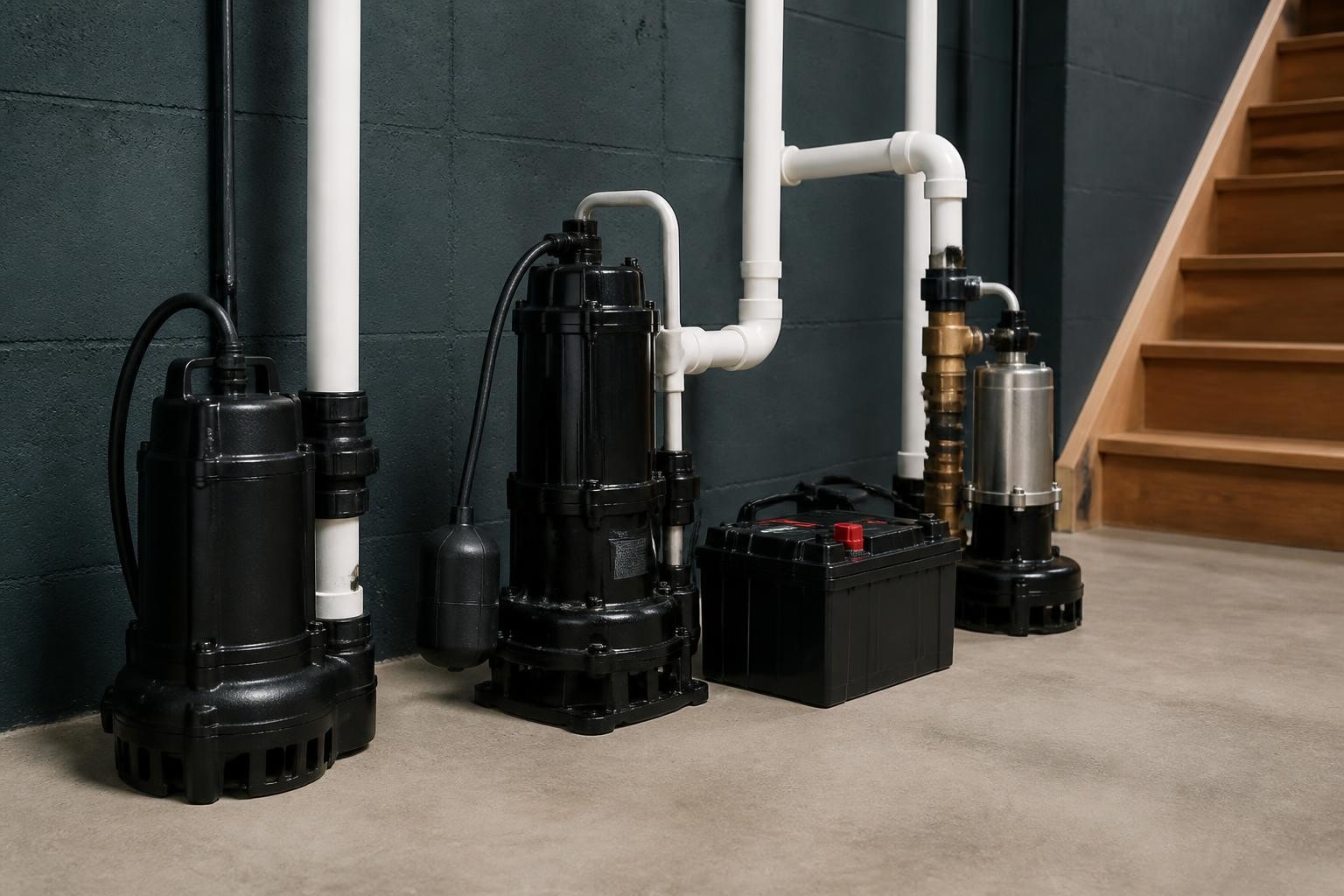
Protecting your home from water damage starts with choosing the right equipment for your basement or crawl space. A reliable sump pump system serves as your first line of defense against flooding, particularly in areas prone to heavy rainfall, snowmelt, or high water tables. Whether you're installing a new system or replacing an aging unit, understanding what makes the best sump pump for your specific needs can save thousands in potential water damage repairs and prevent the costly aftermath of basement flooding.
Understanding Sump Pump Types and Functions
The best sump pump for your property depends on several critical factors, including your basement's layout, local water table levels, and power reliability. Modern sump pumps fall into three primary categories, each designed for specific applications and conditions.
Submersible sump pumps sit directly in the sump basin, completely submerged in water during operation. These units operate quietly and take up minimal visible space, making them ideal for finished basements. The motor is sealed in a waterproof housing, allowing the pump to function efficiently even when fully underwater.
Pedestal sump pumps feature a motor mounted on a shaft above the sump basin, with only the intake pipe extending into the water. While these units are louder and more visible than submersible models, they offer easier maintenance access and typically last longer since the motor stays dry.
Primary and Backup Systems
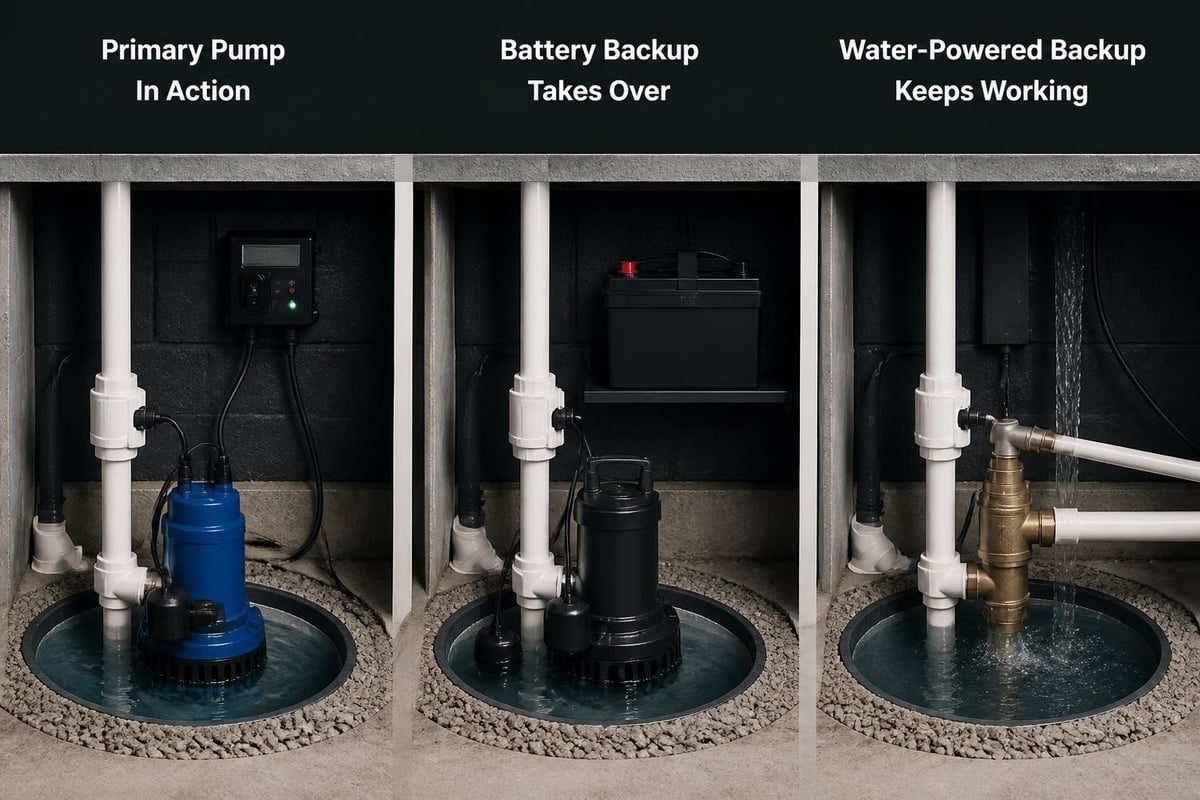
No discussion of the best sump pump options is complete without addressing backup systems. Primary pumps handle regular water removal under normal conditions, but power outages during severe storms can leave your basement vulnerable.
- Battery backup pumps activate automatically when the primary pump fails or loses power
- Water-powered backup pumps use municipal water pressure to operate without electricity
- Combination systems provide dual protection with both battery and water-powered backups
The most comprehensive protection strategy involves pairing a high-quality primary pump with at least one backup system, particularly in regions experiencing frequent storms or extended power outages.
Key Features of Top-Rated Sump Pumps
Selecting the best sump pump requires evaluating multiple performance specifications and features. Understanding these technical aspects helps you make an informed decision that matches your property's specific requirements.
| Feature | Why It Matters | Recommended Specifications |
|---|---|---|
| Horsepower | Determines pumping capacity | 1/3 HP for standard basements, 1/2 HP for larger areas |
| Pump Head | Maximum vertical lift capability | Match to your discharge height plus 20% buffer |
| Flow Rate | Gallons per minute at specific heights | 2,000+ GPM at 10-foot head for most applications |
| Switch Type | Activation reliability | Vertical float switches resist jamming better |
| Material | Durability and corrosion resistance | Cast iron or thermoplastic housing |
| Cord Length | Installation flexibility | 25-foot minimum for positioning options |
Motor construction significantly impacts longevity and performance. Look for thermally protected motors that automatically shut off if overheating occurs, preventing permanent damage during extended operation cycles.
The best sump pump models feature automatic float switches that activate when water reaches predetermined levels. Vertical float switches typically outperform tethered designs because they're less prone to jamming against the basin walls. Some advanced models incorporate electronic sensors for even greater reliability.
Discharge System Considerations
Your pump's effectiveness depends equally on proper discharge configuration. The discharge pipe should extend at least 10 feet from your foundation, directing water away from the structure. Installing a check valve prevents backflow that would force your pump to re-pump the same water multiple times.
Consider freeze-resistant discharge line solutions for colder climates. Burying portions of the discharge line below the frost line or using specialized freeze-prevention attachments prevents ice blockages that could cause basement flooding during winter months.
Capacity Requirements and Sizing Guidelines
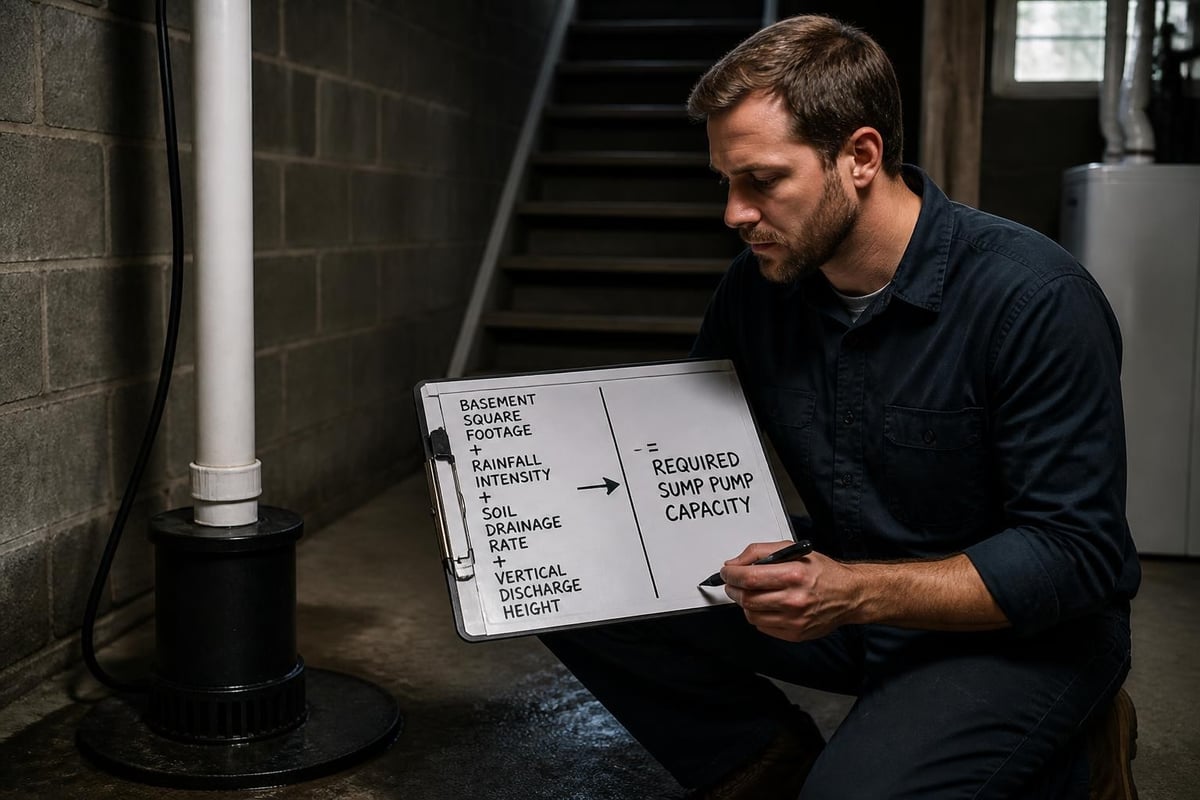
Choosing the best sump pump starts with accurate capacity calculations based on your basement's dimensions and typical water intrusion rates. An undersized pump struggles to keep pace during heavy rainfall, while an oversized unit cycles too frequently, reducing its operational lifespan.
Calculating Your Needs
Professional sizing considers multiple variables:
- Measure your basement square footage and ceiling height to determine total volume
- Assess your soil drainage characteristics and local water table depth
- Review historical rainfall patterns for your region, focusing on peak precipitation rates
- Factor in your sump basin dimensions and typical fill rates during rain events
- Account for vertical lift requirements from basin to discharge point
For most residential applications in areas with moderate rainfall, a 1/3 horsepower pump provides adequate protection for basements up to 2,000 square feet. Larger properties, finished basements with valuable contents, or regions with heavy precipitation benefit from 1/2 horsepower or greater capacity.
Professional assessment often reveals requirements that homeowners overlook. The team at CORE Restoration frequently encounters situations where inadequate pump capacity contributed to water damage events that could have been prevented with proper sizing.
Installation Best Practices for Optimal Performance
Even the best sump pump fails to protect your property if installed incorrectly. Proper installation requires attention to basin placement, electrical connections, and discharge routing to ensure reliable long-term operation.
The sump basin should sit at the lowest point of your basement floor, typically in a corner where water naturally collects. Standard basins measure 18-24 inches in diameter and 24-30 inches deep, providing adequate capacity while accommodating the pump with room for the float switch to operate freely.
Critical Installation Steps
Electrical safety demands dedicated circuits for sump pumps. Never use extension cords or share circuits with other appliances. Ground Fault Circuit Interrupter (GFCI) protection is essential for wet environments, though some building codes require GFCI-protected outlets while others prohibit them for sump pumps due to nuisance tripping concerns. Check local electrical codes before installation.
Basin preparation includes drilling weep holes in the basin walls to prevent airlock issues and ensure proper drainage. Line the basin with clean gravel to filter sediment and prevent debris from entering the pump intake.
The discharge pipe system requires careful planning:
- Use rigid PVC pipe for vertical runs inside the basement
- Transition to flexible pipe only for horizontal exterior runs
- Install check valves 12-18 inches above the pump to prevent backflow
- Seal all connections to prevent leaks and maintain system pressure
- Slope exterior discharge lines away from the foundation
Many homeowners face water intrusion challenges that extend beyond simple basement dampness. Understanding basement leak repair fundamentals helps you identify when sump pump installation should be part of a comprehensive waterproofing strategy.
Maintenance Requirements for Long-Term Reliability
Owning the best sump pump means nothing without proper maintenance. Regular upkeep prevents failures during critical moments when you need protection most. Routine sump pump maintenance extends equipment life and ensures reliable operation.
Monthly Testing Protocol
Test your sump pump monthly, even during dry seasons. Pour several gallons of water into the basin until the float switch activates the pump. Observe the complete cycle:
- Does the pump start automatically at the correct water level?
- Does it remove water quickly and efficiently?
- Does it shut off completely when the basin empties?
- Are there unusual noises, vibrations, or odors?
Any hesitation, grinding noises, or failure to activate signals potential problems requiring immediate attention. Clean the inlet screen regularly to prevent clogging from sediment, debris, or mineral deposits.
| Maintenance Task | Frequency | Why It's Important |
|---|---|---|
| Pour water test | Monthly | Confirms automatic activation |
| Clean inlet screen | Quarterly | Prevents clogging and motor strain |
| Inspect discharge line | Quarterly | Ensures unobstructed water flow |
| Test battery backup | Quarterly | Verifies emergency power operation |
| Full system inspection | Annually | Identifies wear before failure occurs |
| Replace battery | Every 3 years | Maintains backup system reliability |
Spring and fall inspections should be more comprehensive. According to Hanover Insurance Group's maintenance guidelines, seasonal checks should include examining the check valve for proper operation, testing the float switch throughout its full range of motion, and inspecting all electrical connections for corrosion or damage.
Professional Inspection Benefits
While homeowners can handle basic maintenance, annual professional inspections catch developing issues before they cause failures. Experts assess motor health, verify proper basin installation, and ensure discharge systems function correctly even during peak demand periods.
The correlation between neglected maintenance and water damage is clear. Properties experiencing flooded crawl spaces often trace the problem to sump pump failures that could have been prevented through regular maintenance and timely component replacement.
Top Sump Pump Models for 2026
The market offers numerous options, but certain models consistently earn recognition as the best sump pump choices based on reliability, performance, and value. Understanding current leading models helps narrow your selection process.
Wayne WSS30VN Upgraded Combination System ranks among the most comprehensive solutions, featuring a 1/2 HP primary pump paired with a battery backup system. This setup provides continuous protection even during extended power outages, with the battery backup capable of pumping over 11,000 gallons on a single charge.
Zoeller M53 Mighty-Mate has earned its reputation through decades of reliable service. This 1/3 HP submersible pump features a cast iron construction that resists corrosion and handles solids up to 1/8 inch in diameter. Its vertical float switch design prevents jamming issues common with tethered floats.
Budget and Premium Options
For cost-conscious installations, the Superior Pump 1/4 HP Utility Pump delivers adequate performance for standard residential applications at an accessible price point. While it lacks the durability of cast iron models, its thermoplastic construction resists corrosion and handles typical basement drainage needs effectively.
Premium buyers seeking the absolute best sump pump often select the Liberty Pumps 441 ProVore. This 1/2 HP grinder pump handles sewage and solid waste in addition to standard groundwater, making it ideal for basement bathrooms or utility sinks that drain into the sump basin.
Water-powered backup options like the Wayne WSB1275 WaterBUG provide electricity-free emergency protection. These systems use municipal water pressure to operate, requiring no batteries or charging maintenance. They're particularly valuable in areas with reliable water pressure but unreliable electrical service during storms.
Common Problems and Troubleshooting Solutions
Even the best sump pump experiences occasional issues. Recognizing common problems and understanding troubleshooting approaches helps you respond quickly when challenges arise, minimizing potential water damage.
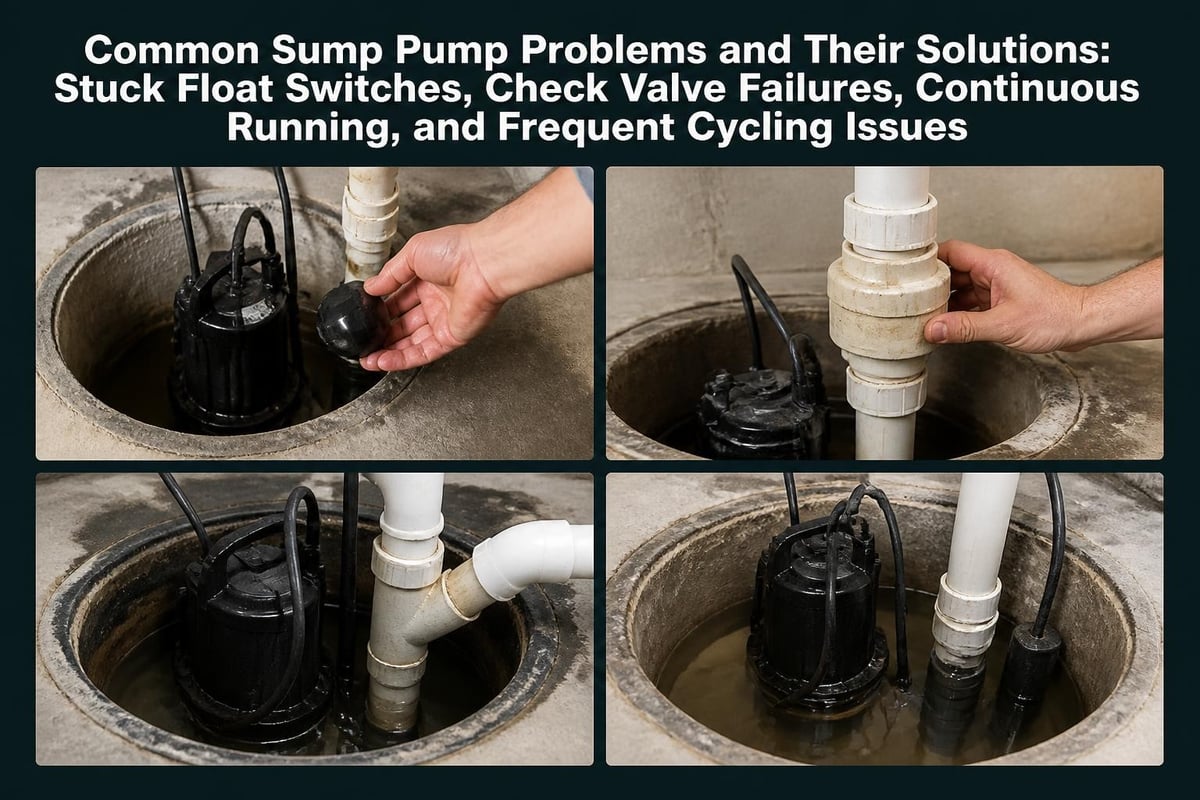
Pump runs continuously without shutting off typically indicates a stuck float switch, an improperly sized pump for your basin's fill rate, or a leak in the discharge line allowing water to return to the basin. Check the float switch for obstructions and verify the check valve operates correctly.
Frequent Cycling Issues
When pumps activate too frequently with minimal water accumulation, several factors might be responsible:
- Float switch positioned too low, triggering at minimal water levels
- Check valve failure allowing backflow
- High water table keeping the basin constantly filled
- Weep holes in the basin creating continuous slight inflow
Adjust float switch positioning if possible, verify check valve operation, and ensure weep holes are properly sized and positioned. The goal is 8-10 minute intervals between cycles under normal conditions.
Strange noises during operation often signal mechanical problems. Grinding sounds suggest debris in the impeller or worn bearings. Rattling indicates loose components or deteriorating motor mounts. Address these issues immediately, as continued operation can cause complete pump failure.
According to SafetyCulture's maintenance guide, vibration problems frequently stem from improperly secured pumps shifting position within the basin. Ensure your pump sits securely on a flat brick or pump stand, preventing movement during operation cycles.
Integrating Sump Pumps with Comprehensive Water Protection
The best sump pump serves as one component in a holistic approach to water damage prevention. Combining pump systems with additional protective measures creates comprehensive defense against basement flooding and moisture intrusion.
Interior and exterior drainage work together for optimal protection. French drains around your foundation's perimeter collect groundwater before it reaches basement walls, reducing the volume your sump pump must handle. Interior perimeter drains direct water that penetrates foundation walls toward the sump basin.
Proper grading ensures water flows away from your foundation rather than pooling against basement walls. Downspout extensions should discharge at least 10 feet from the structure, matching or exceeding your sump pump discharge distance.
Moisture Control Strategies
Beyond active water removal, controlling humidity levels prevents secondary issues like mold growth. Dehumidifiers complement sump pump operation by removing ambient moisture that accumulates through normal basement dampness. This becomes particularly important in finished basements where mold remediation costs can far exceed the investment in preventive equipment.
Foundation waterproofing provides an additional barrier against water intrusion. Exterior waterproofing membranes and interior sealants reduce the volume of water reaching your basement, allowing your sump pump to handle only groundwater and drainage system flows rather than direct wall seepage.
Properties in flood-prone regions benefit from understanding spring flood preparation strategies that extend beyond sump pump operation. Comprehensive planning addresses multiple water intrusion pathways, creating layered protection against various flooding scenarios.
Smart Technology and Monitoring Systems
Modern sump pump technology extends beyond mechanical operation to include sophisticated monitoring and alert systems. The best sump pump installations in 2026 increasingly incorporate smart features that provide real-time status updates and early warning of potential problems.
Wi-Fi enabled pump monitors track system operation and send alerts to your smartphone when issues arise. These devices monitor pump cycles, run times, and battery backup status, notifying you immediately if the pump fails to activate, runs continuously, or experiences power loss.
Advanced monitoring systems track long-term performance trends, identifying gradual degradation before catastrophic failure occurs. Pattern analysis reveals when pumps cycle more frequently than historical norms, suggesting increased groundwater intrusion or developing mechanical issues.
Alert and Notification Options
Modern systems offer multiple alert mechanisms:
- Smartphone push notifications for immediate awareness regardless of location
- Email alerts providing detailed status information and historical logs
- Audible alarms for on-site notification when Wi-Fi fails or you're home
- Text message backup when internet connectivity is unavailable
Some systems integrate with whole-home automation platforms, triggering additional responses like activating dehumidifiers or adjusting HVAC settings when basement humidity rises above preset thresholds.
Water level sensors independent of the pump's float switch provide redundant monitoring. These sensors alert you if water rises above normal levels, even if the pump continues operating, potentially indicating capacity issues or excessive water intrusion requiring investigation.
The comprehensive approach outlined in FloodReady's selection and maintenance guide emphasizes how technology integration transforms reactive pump systems into proactive water management solutions.
Cost Considerations and Long-Term Value
Investing in the best sump pump requires balancing upfront costs against long-term value and protection benefits. Understanding the complete financial picture helps justify appropriate investment levels for your property's specific needs.
Entry-level pumps start around $100-150 for basic 1/4 HP utility models suitable for minimal water intrusion scenarios. Mid-range submersible pumps with 1/3 HP motors and improved build quality typically cost $150-300, providing reliable protection for most residential applications.
Premium systems with 1/2 HP capacity, cast iron construction, and advanced features run $300-600 for the pump alone. Combination systems pairing quality primary pumps with battery backup units range from $400-800, while comprehensive setups including water-powered backups and monitoring systems can exceed $1,000.
Installation and Operational Costs
Professional installation adds $500-1,500 depending on complexity, electrical work requirements, and discharge system configuration. DIY installation saves labor costs but requires plumbing and electrical expertise to ensure safe, code-compliant installation.
| Cost Component | DIY Approach | Professional Installation |
|---|---|---|
| Basic pump unit | $150-300 | $150-300 |
| Basin and gravel | $50-100 | Included in labor |
| Discharge piping | $50-150 | Included in labor |
| Electrical work | $0-100 | $150-400 |
| Labor | $0 | $300-800 |
| Total Range | $250-650 | $600-1,800 |
Operating costs remain minimal, typically $30-50 annually in electricity for pumps that cycle regularly. Battery backup systems require replacement batteries every 2-3 years at $100-200 per battery, while water-powered systems add $1-3 per activation to water bills.
Consider these costs against potential water damage expenses. According to Allstate's inspection guidance, basement flooding causes average damages of $10,000-25,000 per incident, with costs escalating rapidly when valuable furnishings, electronics, or finished spaces are affected. Understanding water damage restoration costs in your local area helps contextualize pump system investment as cost-effective insurance.
Regional Considerations for Walla Walla Valley Properties
Property owners in the Walla Walla Valley and surrounding Oregon regions face unique water management challenges that influence best sump pump selection. Understanding local conditions ensures your system handles region-specific demands effectively.
Seasonal variation in the Pacific Northwest creates distinct wet and dry periods. Heavy winter precipitation and spring snowmelt from the Blue Mountains generate significant groundwater fluctuation, while summer months bring minimal rainfall and lower water tables. The best sump pump for this climate must handle extended operation during wet seasons while remaining reliable after months of dormancy.
Soil composition throughout the valley varies from heavy clay to sandy loam, affecting drainage characteristics and water infiltration rates. Clay soils common in many areas retain water longer, potentially maintaining elevated groundwater levels for extended periods after precipitation ends.
Storm Patterns and Power Reliability
Severe weather events, particularly ice storms and heavy snow, create dual challenges: increased water intrusion coinciding with power outages. The comprehensive disaster restoration services available locally address these scenarios, but prevention through proper sump pump selection with reliable backup systems remains the most cost-effective approach.
Agricultural operations throughout the region involve irrigation systems that can raise local water tables during growing seasons. Properties near irrigated fields may experience groundwater intrusion patterns independent of natural precipitation, requiring year-round pump operation rather than just seasonal protection.
Wind and weather damage from severe storms sometimes causes multiple simultaneous property issues requiring coordinated response. Understanding how storm damage restoration integrates with water management helps property owners develop comprehensive protection strategies addressing multiple disaster scenarios.
Selecting and maintaining the best sump pump for your property requires understanding your specific needs, local conditions, and available technology options. Whether you're protecting a finished basement, safeguarding valuable storage areas, or preventing structural damage from persistent groundwater, the right system provides reliable defense against water intrusion. If you're experiencing water damage, foundation issues, or need professional guidance on comprehensive property protection in the Walla Walla Valley or surrounding areas, CORE Restoration offers expert assessment and restoration services backed by nearly two decades of experience helping property owners recover from water-related disasters and implement effective prevention strategies.