Flooded Crawl Space: Causes, Risks & Restoration Steps
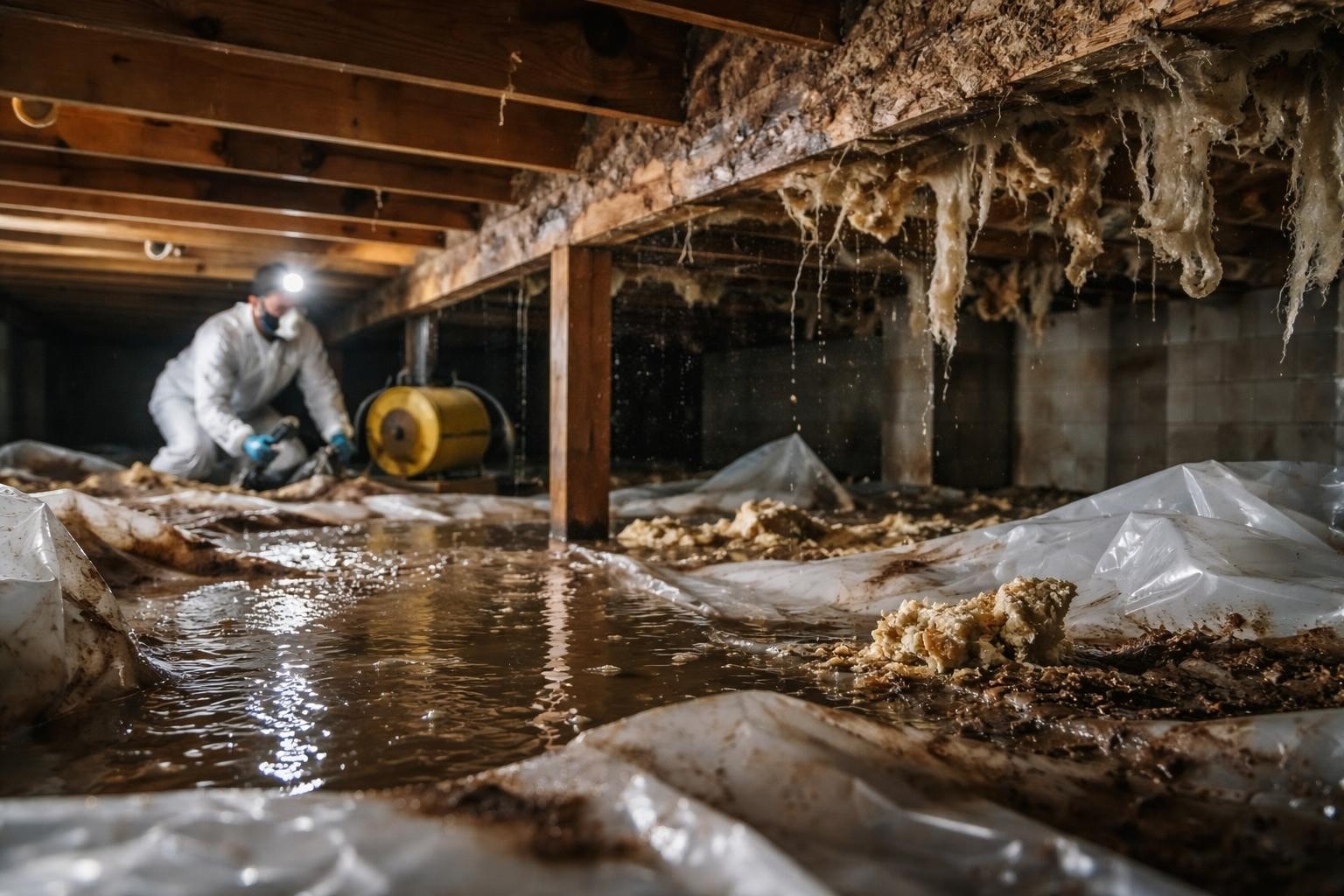
A flooded crawl space represents one of the most common yet underestimated threats to residential and commercial properties across the Pacific Northwest and beyond. Water accumulation beneath your building can trigger a cascade of problems that extend far beyond the immediate flooding, affecting structural integrity, indoor air quality, and property value. Understanding the causes, recognizing the warning signs, and knowing how to respond can mean the difference between minor repairs and catastrophic damage requiring extensive restoration work.
Understanding the Causes of Crawl Space Flooding
Multiple factors contribute to water accumulation in the crawl space beneath your property. Identifying the root cause is essential for implementing effective long-term solutions rather than simply addressing symptoms.
Poor Drainage and Grading Issues
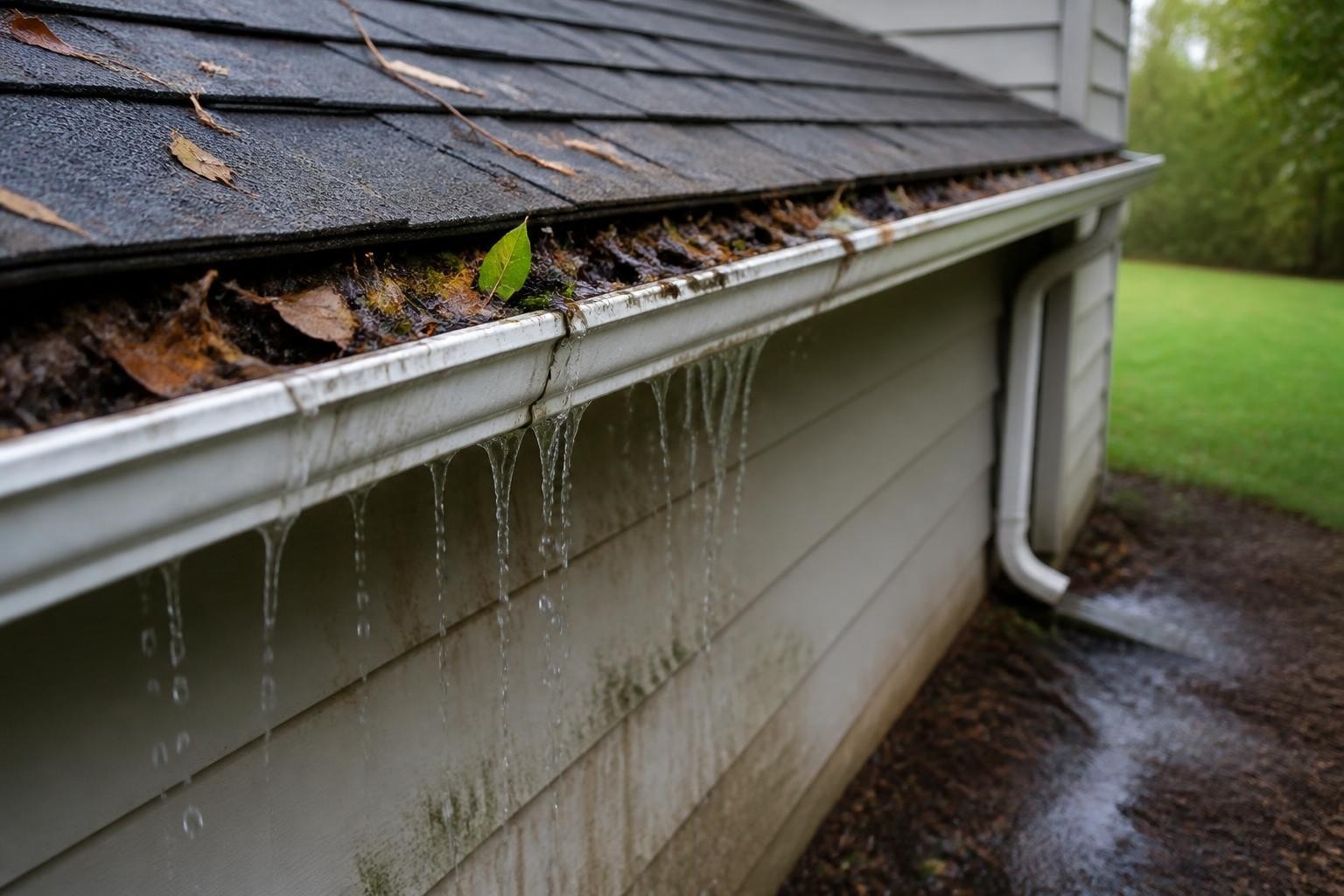
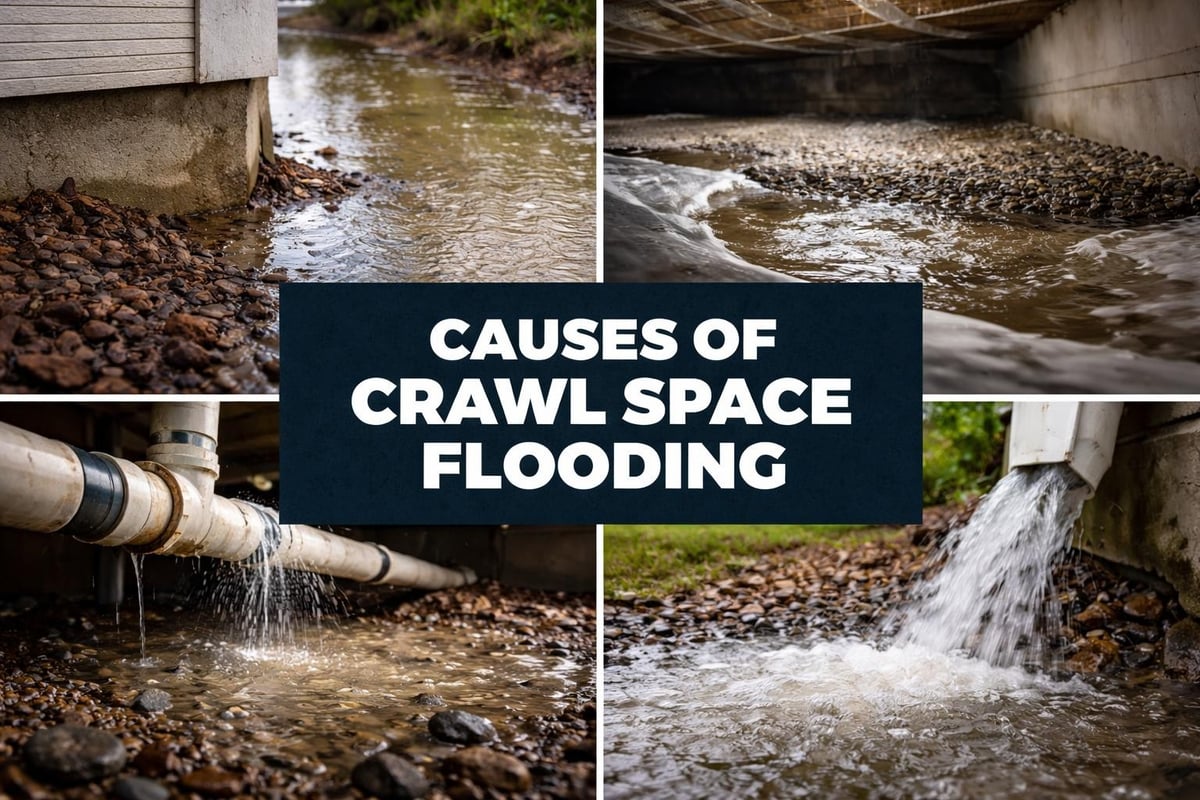
The ground surrounding your foundation plays a critical role in water management. When soil slopes toward your building instead of away from it, rainwater and snowmelt naturally flow toward your foundation, eventually finding pathways into the crawl space. This issue becomes particularly problematic during the Pacific Northwest's rainy seasons when saturated soil can no longer absorb additional moisture.
Common drainage problems include:
Heavy precipitation events in 2026 have emphasized the importance of proper drainage systems. According to experts in crawl space flooding, downspout placement represents one of the most overlooked factors in preventing foundation water intrusion.
Groundwater and High Water Tables
In certain geographic areas, the natural water table sits relatively close to the surface. During periods of excessive rainfall or rapid snowmelt, the water table can rise above the crawl space floor level, causing hydrostatic pressure to force water through the foundation. This phenomenon is particularly common in low-lying areas and properties near rivers, lakes, or wetlands.
The 2026 winter season has brought significant challenges for properties in flood-prone regions. Even well-constructed buildings can experience groundwater intrusion when exceptional weather events push water tables beyond normal seasonal variations.
Plumbing Failures and Foundation Cracks
Internal water sources create equally serious flooding risks. A single leaking pipe in the crawl space can discharge hundreds of gallons daily, while a burst pipe during freezing temperatures can flood the area within hours. Foundation cracks develop naturally over time as buildings settle, but they create vulnerable entry points for surface water and groundwater.
Plumbing IssueTypical VolumeDetection DifficultySlow pipe leak10-30 gallons/dayHigh - often hiddenBurst supply line300+ gallons/hourLow - immediate signsFailed water heater40-80 gallons (tank size)Medium - depends on locationSewer backupVaries significantlyLow - strong odor present
The water damage restoration specialists at professional firms regularly encounter crawl space flooding from failed plumbing that went undetected for weeks or months.
Health and Structural Risks of a Flooded Crawl Space
The consequences of crawl space water accumulation extend throughout the entire building structure and affect the health of occupants. Ignoring a flooded crawl space creates compounding problems that become exponentially more expensive to remediate over time.
Mold Growth and Air Quality Concerns
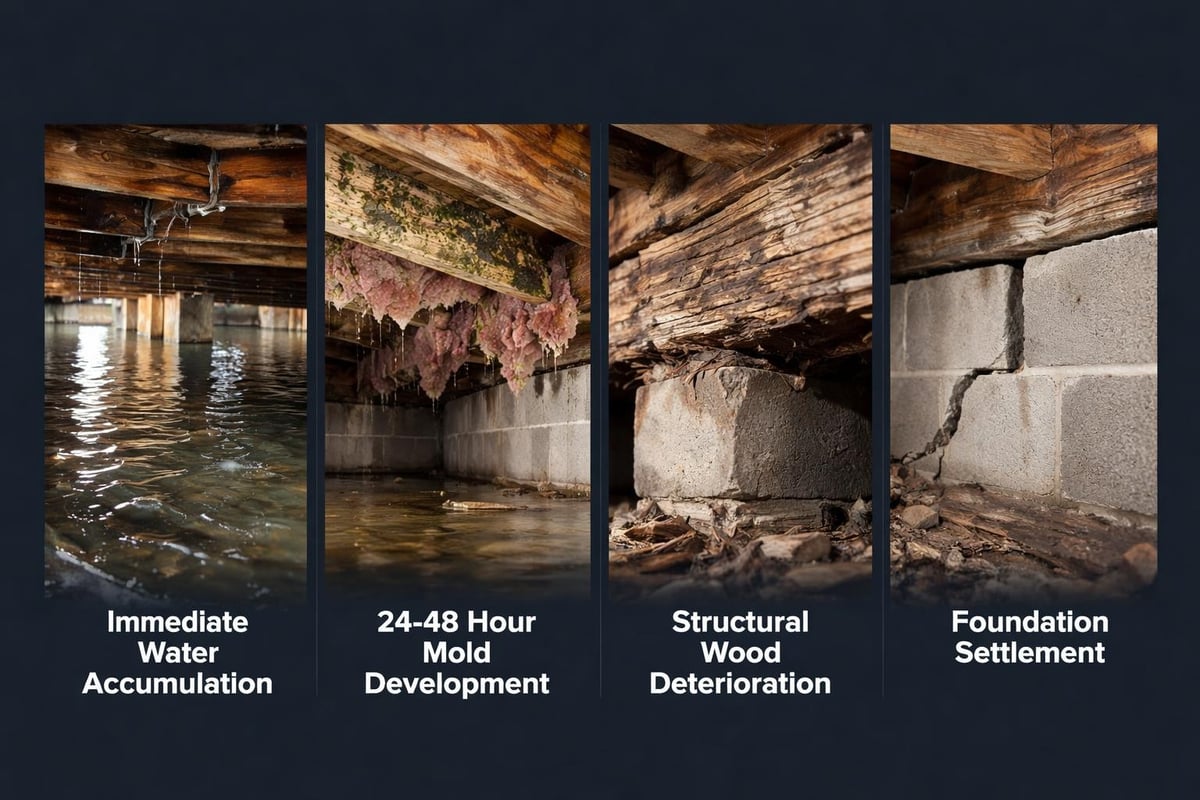
Water-damaged materials in the crawl space create ideal conditions for mold colonization within 24-48 hours. Because of the "stack effect" in buildings, air from the crawl space continuously moves upward into living areas, carrying mold spores, musty odors, and other contaminants with it. This phenomenon means that a flooded crawl space directly impacts the air quality throughout your property.
Health effects associated with mold exposure include:
Research from water damage remediation experts confirms that prompt action is essential to prevent mold establishment. Once mold spreads throughout the crawl space, complete remediation requires professional intervention including containment procedures, material removal, and antimicrobial treatment.
Structural Damage and Wood Rot
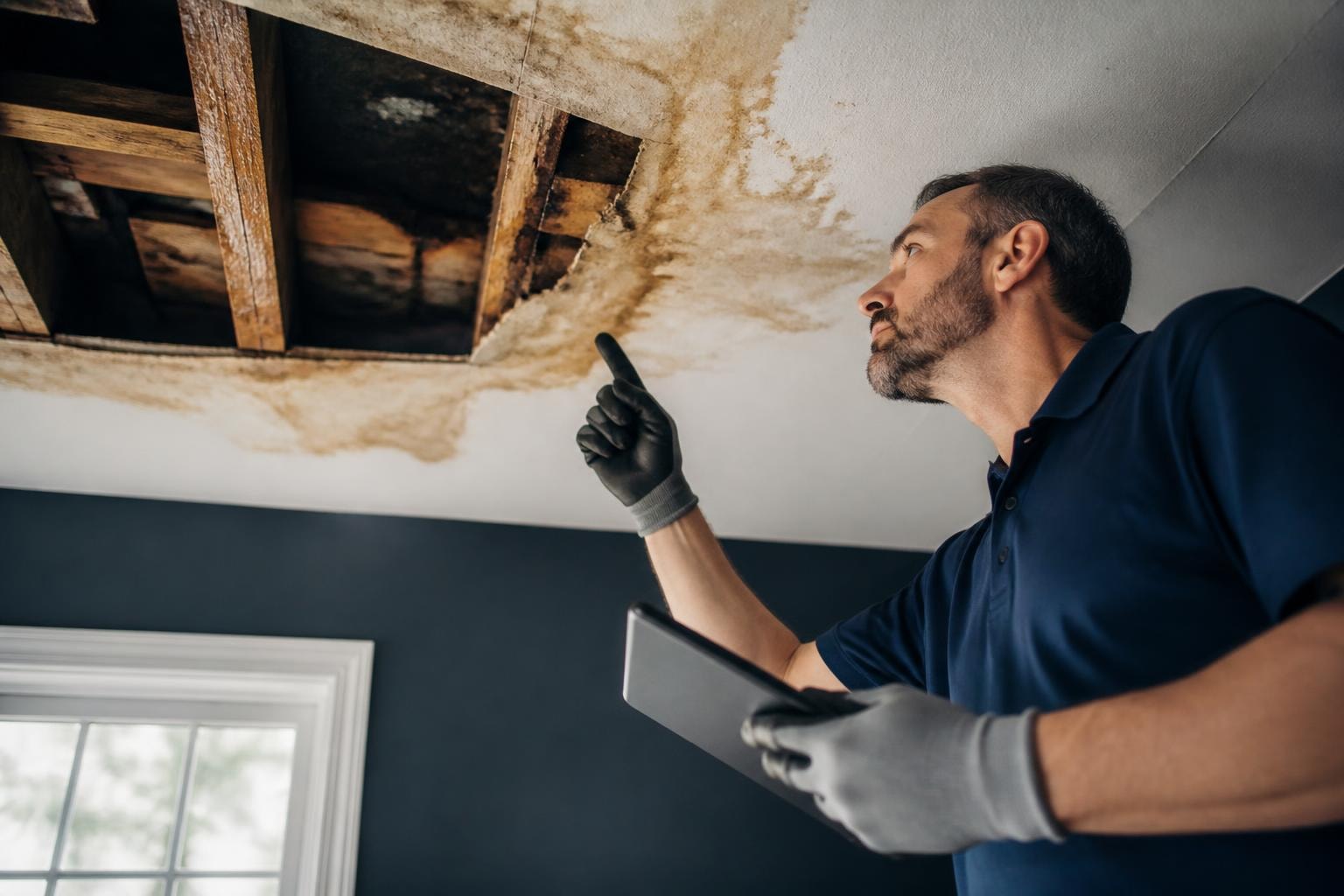
Wooden floor joists, support beams, and subflooring absorb moisture from a flooded crawl space, leading to rot and deterioration. This process weakens the structural framework supporting your floors, potentially creating safety hazards and requiring expensive repairs. Metal components aren't immune either, as standing water accelerates corrosion of support columns, fasteners, and mechanical systems.
Properties with chronic crawl space moisture often develop:
The professional restoration services required to address advanced structural damage far exceed the cost of early intervention when flooding first occurs.
Pest Infestations and Secondary Problems
Standing water attracts various pests seeking moisture and shelter. Termites, carpenter ants, and wood-boring beetles thrive in damp crawl spaces, while rodents often establish nests in insulation and debris. These infestations compound the existing problems, as pests further damage insulation, wiring, and wooden structural components.
Immediate Response Steps for Crawl Space Flooding
When you discover water in your crawl space, rapid response minimizes damage and prevents long-term complications. Safety must be your first priority, as flooded crawl spaces present multiple hazards including electrical shock risks, structural instability, and contaminated water.
Safety Precautions Before Entry
Never enter a flooded crawl space without taking proper precautions. Electricity and water create lethal combinations, so shut off power to any circuits running through the affected area. If you cannot safely access your electrical panel or if water levels are significant, contact emergency services or professional restoration companies immediately.
Essential safety equipment includes:
For properties experiencing flooding from sewage backups or outdoor water sources, assume the water is contaminated. Professional trauma and biohazard cleanup services handle category 3 water (grossly contaminated) situations.
Water Removal Methods
The water removal approach depends on the volume present and the flooding source. For minor accumulation from a small leak, a wet/dry vacuum may suffice. Significant flooding requires submersible pumps or professional extraction equipment.
According to crawl space water removal guidelines, pump selection matters considerably. Submersible sump pumps efficiently handle large volumes, while smaller utility pumps work for moderate situations. Position pumps at the lowest point to maximize water removal, and ensure discharge lines direct water away from the foundation.
Water DepthRecommended EquipmentEstimated Removal TimeUnder 2 inchesWet/dry vacuum2-4 hours (small space)2-6 inchesUtility pump1-3 hours6-12 inchesSubmersible sump pump1-2 hoursOver 12 inchesProfessional extractionVaries by volume
Documenting Damage for Insurance Claims
Before removing water or beginning cleanup, thoroughly document the situation with photographs and videos. Capture water levels, damaged materials, affected mechanicals, and any visible sources of flooding. This documentation proves essential when filing insurance claims and ensures you receive appropriate compensation for restoration costs.
Contact your insurance provider promptly to report the damage. Many policies require notification within specific timeframes, and delays can jeopardize coverage. The experienced team at disaster restoration services in Walla Walla County routinely assists property owners with insurance documentation and claims processes.
Professional Restoration and Drying Procedures
After removing standing water, the drying process becomes critical. Simply pumping out water leaves moisture in materials, beneath vapor barriers, and throughout the crawl space environment. Without proper drying, mold growth, wood rot, and structural damage continue despite the absence of visible standing water.
Moisture Detection and Monitoring
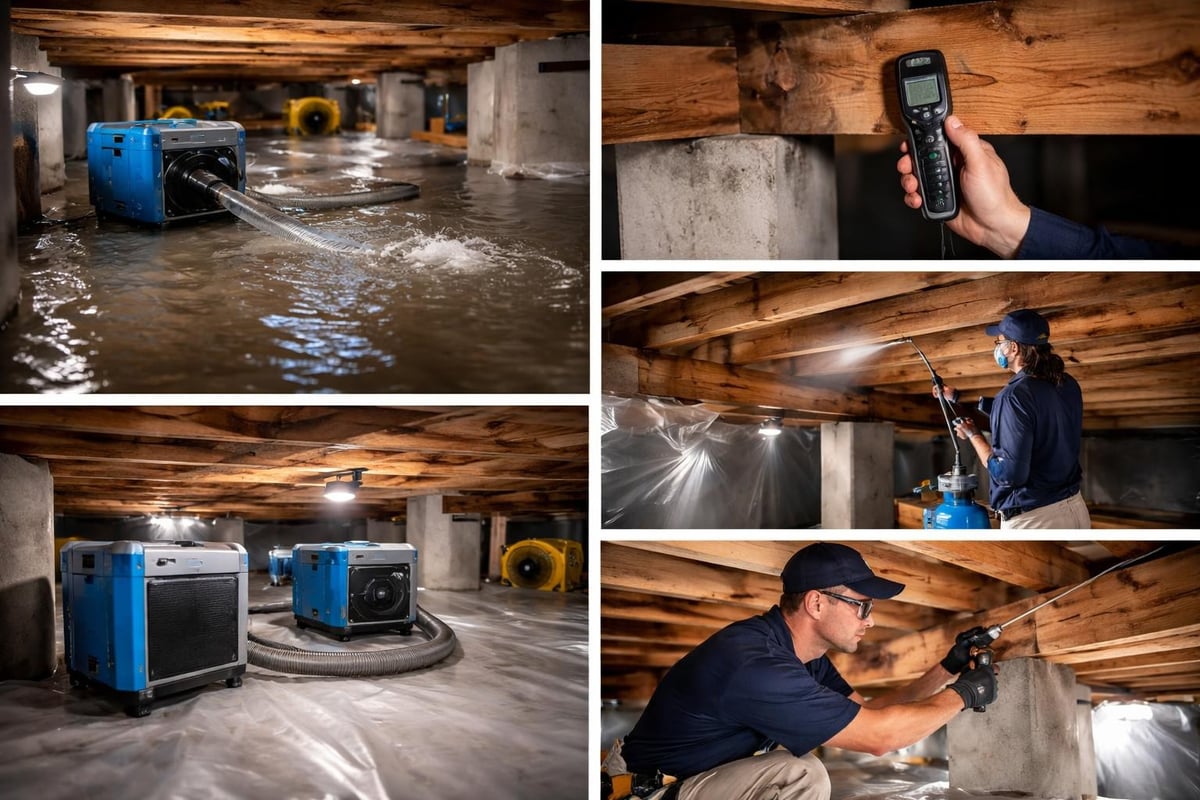
Professional restoration technicians use specialized equipment to identify hidden moisture that visual inspection misses. Moisture meters measure water content in wood, insulation, and concrete, while infrared cameras reveal moisture patterns behind surfaces and within wall cavities. This technology-driven approach ensures thorough drying rather than superficial fixes.
The comprehensive drying process includes multiple stages:
Complete drying typically requires 3-5 days for minor flooding and up to two weeks for extensive water damage. Rushing this process invites future problems that necessitate additional remediation.
Dehumidification and Air Movement
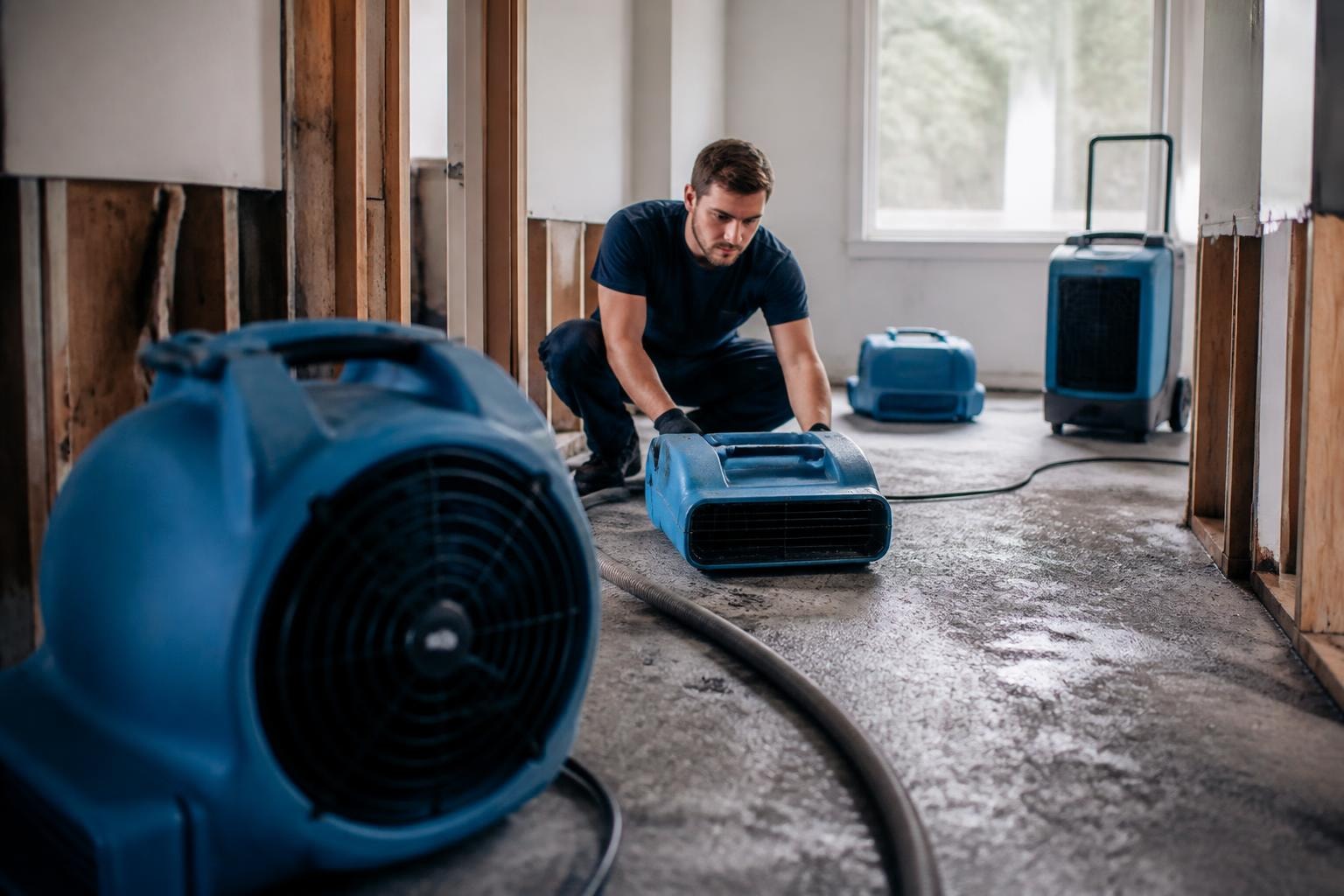
High-capacity dehumidifiers remove moisture from the air, preventing it from being reabsorbed into building materials. These units work continuously throughout the drying period, with condensate either pumped outside or collected in tanks requiring regular emptying. Air movers position strategically around the crawl space create circulation patterns that accelerate evaporation from wet surfaces.
Temperature also affects drying efficiency. Warmer temperatures increase evaporation rates, which is why professional restoration companies sometimes use supplemental heat in crawl spaces during winter months. The combination of heat, dehumidification, and air movement creates optimal drying conditions.
Sanitization and Mold Prevention
Once materials reach acceptable moisture levels, sanitization prevents microbial growth. EPA-registered antimicrobial treatments applied to all exposed surfaces kill existing mold spores and bacteria while creating hostile conditions for future colonization. This step is particularly crucial for flooded crawl spaces that contained sewage, outdoor floodwater, or stagnant water.
Properties requiring extensive mold remediation may need additional services including:
Long-Term Prevention Strategies
Preventing future crawl space flooding requires addressing the underlying vulnerabilities that allowed water intrusion initially. A comprehensive prevention strategy combines exterior drainage improvements, crawl space modifications, and ongoing maintenance protocols.
Exterior Water Management
The most effective flood prevention begins outside the building. Proper grading ensures water flows away from the foundation rather than pooling against it. The ground should slope at least 6 inches over the first 10 feet extending from the foundation.
Critical exterior improvements include:
These modifications, as explained by crawl space drainage experts, address the root causes rather than merely managing symptoms. Properties in flood-prone areas benefit from comprehensive landscape drainage systems designed by professionals.
Interior Protection Systems
Sump pump installation provides active flood protection by automatically removing water that enters the crawl space. These systems include a collection basin (sump pit) positioned at the lowest point, with a pump that activates when water reaches predetermined levels. Battery backup systems ensure operation during power outages, which often coincide with severe weather events causing flooding.
Sump Pump TypeCapacityBest ApplicationMaintenance NeedsPedestal pump2,000-3,000 GPHAccessible locationsAnnual testingSubmersible pump3,000-5,000 GPHMost crawl spacesCheck every 6 monthsBattery backup1,000-2,000 GPHEmergency supplementBattery replacement every 3-5 yearsWater-powered backup1,000-1,500 GPHAreas without power concernsMinimal - no battery
Vapor barriers represent another essential component of crawl space protection. Heavy-duty polyethylene sheeting installed across the crawl space floor and sealed at seams prevents ground moisture from evaporating into the space. Some systems extend vapor barriers up foundation walls, creating complete encapsulation that dramatically reduces humidity levels.
Regular Inspection and Maintenance
Establishing an inspection schedule identifies potential problems before they escalate into flooding emergencies. Visit your crawl space quarterly to check for:
Seasonal maintenance activities vary throughout the year. Spring inspections focus on drainage systems handling snowmelt and spring rains, while fall preparations ensure systems are ready for winter weather. The resources for property owners provide additional guidance on year-round property protection strategies.
Working with Professional Restoration Companies
While minor crawl space water issues may be manageable for capable property owners, significant flooding situations demand professional expertise. Restoration companies bring specialized equipment, technical knowledge, and systematic approaches that ensure complete remediation while preventing secondary damage.
When to Call Professionals
Certain situations absolutely require professional intervention. These include:
Professional restoration companies also provide invaluable assistance with insurance claims, documentation, and coordination with adjusters. Their detailed reports and moisture mapping substantiate claims and ensure fair settlements.
What to Expect During Professional Restoration
A reputable restoration company begins with comprehensive assessment and moisture detection. Technicians document existing damage, identify all affected materials, and develop a remediation plan tailored to your specific situation. This plan includes timelines, required equipment, and estimated costs.
The restoration process typically follows established industry protocols:
Companies with 24/7 emergency response capabilities, like experienced storm damage restoration providers, minimize damage by beginning mitigation immediately regardless of when flooding occurs.
Insurance Coordination and Documentation
Navigating insurance claims for a flooded crawl space can be complex, particularly regarding coverage determinations for gradual damage versus sudden events. Professional restoration companies maintain relationships with insurance providers and understand policy requirements, exclusions, and documentation standards.
They provide detailed reports including:
This comprehensive documentation supports your claim and streamlines the approval process, helping you receive appropriate compensation for restoration services. Understanding water damage restoration costs in your area helps set realistic expectations for both claims and out-of-pocket expenses.
Protecting your property from a flooded crawl space requires understanding the causes, recognizing warning signs early, and responding promptly when water intrusion occurs. Whether addressing current flooding or implementing preventive measures, professional expertise ensures thorough remediation and long-term protection. If you're facing crawl space flooding or want to prevent future water damage, CORE Restoration provides 24/7 emergency response throughout the Walla Walla Valley and surrounding regions, delivering comprehensive restoration services backed by nearly two decades of experience.